
This article is part of a new Smarter Golf series powered by Arccos data.
When golfers shop for a rangefinder, the first question is always the same: Is it accurate? At MyGolfSpy, we’ve tested enough of them to tell you that, yes, most modern rangefinders are good at the one thing they’re designed to do. Point it at the flag, pull the trigger, get a number. That number, the straight-line distance to the pin, is usually right.
But is that the number you need?
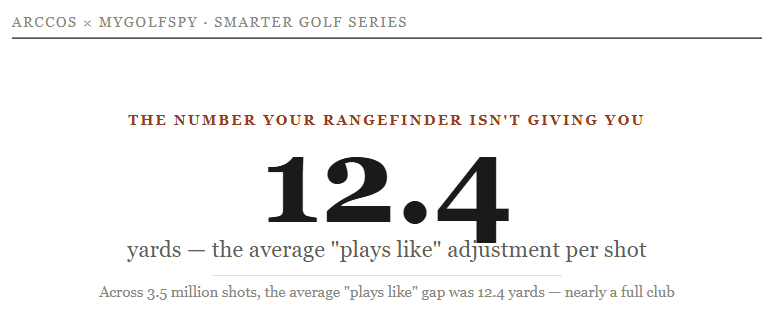
There’s a difference between what the rangefinder reads and what the shot requires. That gap has a name. It’s called “plays like” distance. According to 3.5 million shots of Arccos Smart Laser data, the average golfer is ignoring 12.4 yards of it on every single shot they hit.
Half of all rangefinder reads are off the real number by 10 yards or more. One in five are off by 20. That’s not an equipment problem. Your rangefinder is doing exactly what it’s supposed to do. The problem is that what it’s supposed to do isn’t the full story.
1. The slope-only myth
A slope model should fix this, right?
The slope-adjusted number accounts for the angle of the shot and tells you what club to hit.
The data says otherwise.
Slope accounts for just 19.9 percent of the total “plays like” adjustment. That means four out of every five yards of correction comes from somewhere a slope rangefinder can’t see. Wind, sustained speed plus gusts, accounts for nearly 64 percent of the total adjustment on its own. Temperature, altitude and humidity make up most of the rest.
| Factor | Share of Total Adjustment |
|---|---|
| Wind (sustained) | 35.7% |
| Wind (gusts on top of sustained) | 28.2% |
| Slope | 19.9% |
| Temperature | 12.4% |
| Altitude | 2.6% |
| Humidity | 1.1% |
On 91 percent of shots, the non-slope adjustment is larger than the slope adjustment. A slope rangefinder is solving less than a fifth of the problem.
2. The 10-yard lie
The gap between raw laser yardage and “plays like” yardage isn’t fixed. It grows the farther the shot gets. Amateur golfers struggle most with the longer clubs so this combination of the wrong number and the more difficult shot is a bad one.
The 100-yard pitch is off by 10 yards. The 200-yard approach is off by more than 15.
| Club Distance | Avg Off By | Median | Off by 10+ yds | Off by 20+ yds |
|---|---|---|---|---|
| 100–149 yds (wedge / short iron) | 10.0 y | 7.9 y | 39.5% | 11.7% |
| 150–199 yds (mid iron) | 13.0 y | 10.6 y | 52.7% | 21.7% |
| 200–249 yds (long iron / hybrid) | 15.5 y | 13.2 y | 61.5% | 30.8% |
| 250+ yds (driver / 3-wood) | 18.5 y | 16.2 y | 68.5% | 40.3% |
| All shots | 12.4 y | 10.0 y | 49.4% | 20.0% |
Half of every rangefinder reading on a golf course is off by at least 10 yards.
3. What the tee plate never tells you
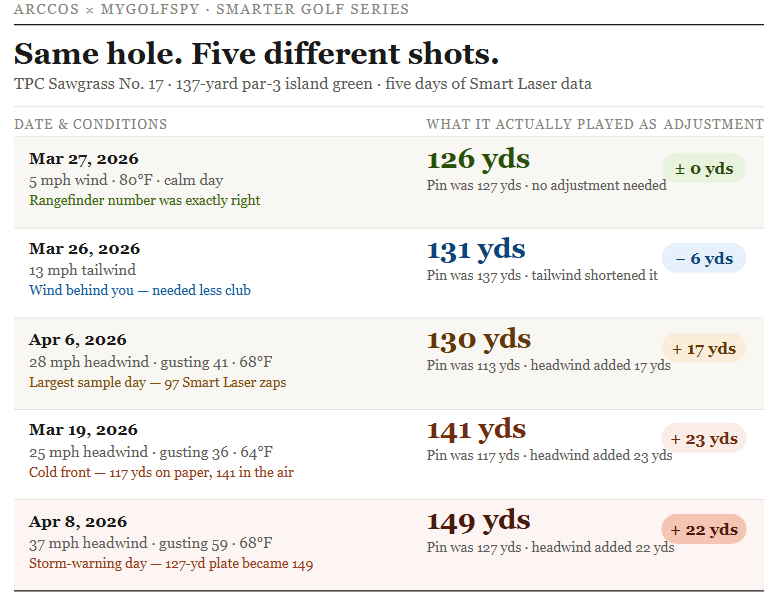
The 17th at TPC Sawgrass is one of the most recognized par-3s in golf. It’s an island green with a yardage of 137 yards. No margin for error. It’s also one of the clearest illustrations of what “plays like” distance means in practice.
Arccos Smart Laser data captured the same hole on five different days over a recent stretch.
A rangefinder on March 19 was off by 23 yards. On March 27, it was perfect. On March 26, it was six yards too long. The slope doesn’t change between those days. Everything else that you’re not measuring does.
4. Where you play decides how much it matters
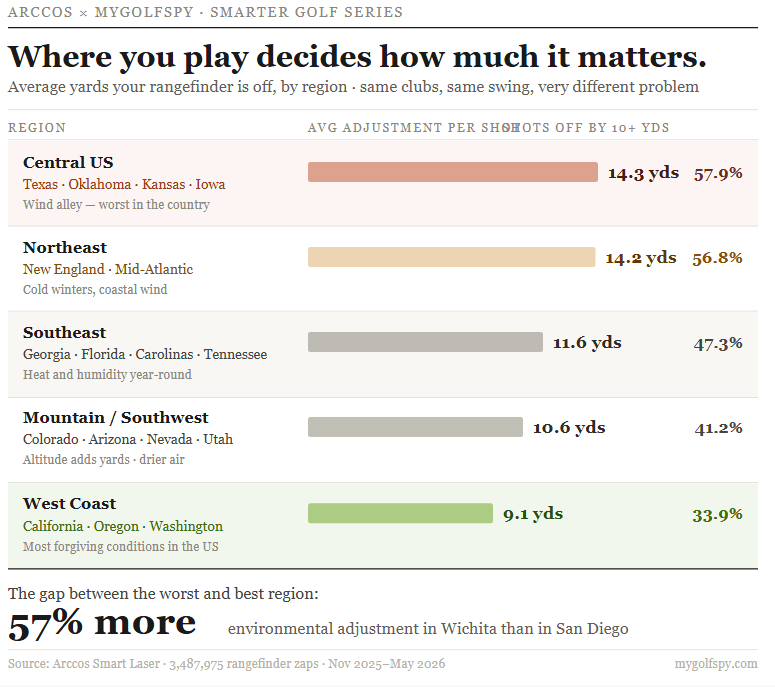
The “plays like” problem isn’t equal across the country. Your zip code has a lot to do with how much your rangefinder is misleading you.
The wind-alley golfer in Texas, Oklahoma, Kansas or Iowa is dealing with 57 percent more environmental adjustment than the golfer in San Diego. The rangefinder number is materially less useful depending on where you live.
5. The hidden yardages
Wind is the biggest factor your rangefinder is missing. Slope is the most overrated one. But altitude and temperature are quietly adding up, too. Together, they account for another 15 percent of the total “plays like” adjustment.
A golfer playing at mile-high elevation is getting a free 10.5-yard bonus on every shot just from thinner air. A mountain course above 6,500 feet adds 13.5. Sea-level golfers get nothing which is fine until they travel and have to relearn all of their yardages.
Temperature works the other direction. Cold air is dense and kills carry—a 40°F morning round adds at least five yards to every shot. A 90°F summer afternoon takes nearly three off. That’s an eight-yard swing between seasons on the same course, the difference between reaching for an 8-iron or a 9 every time you go into the bag.
What you can do about it
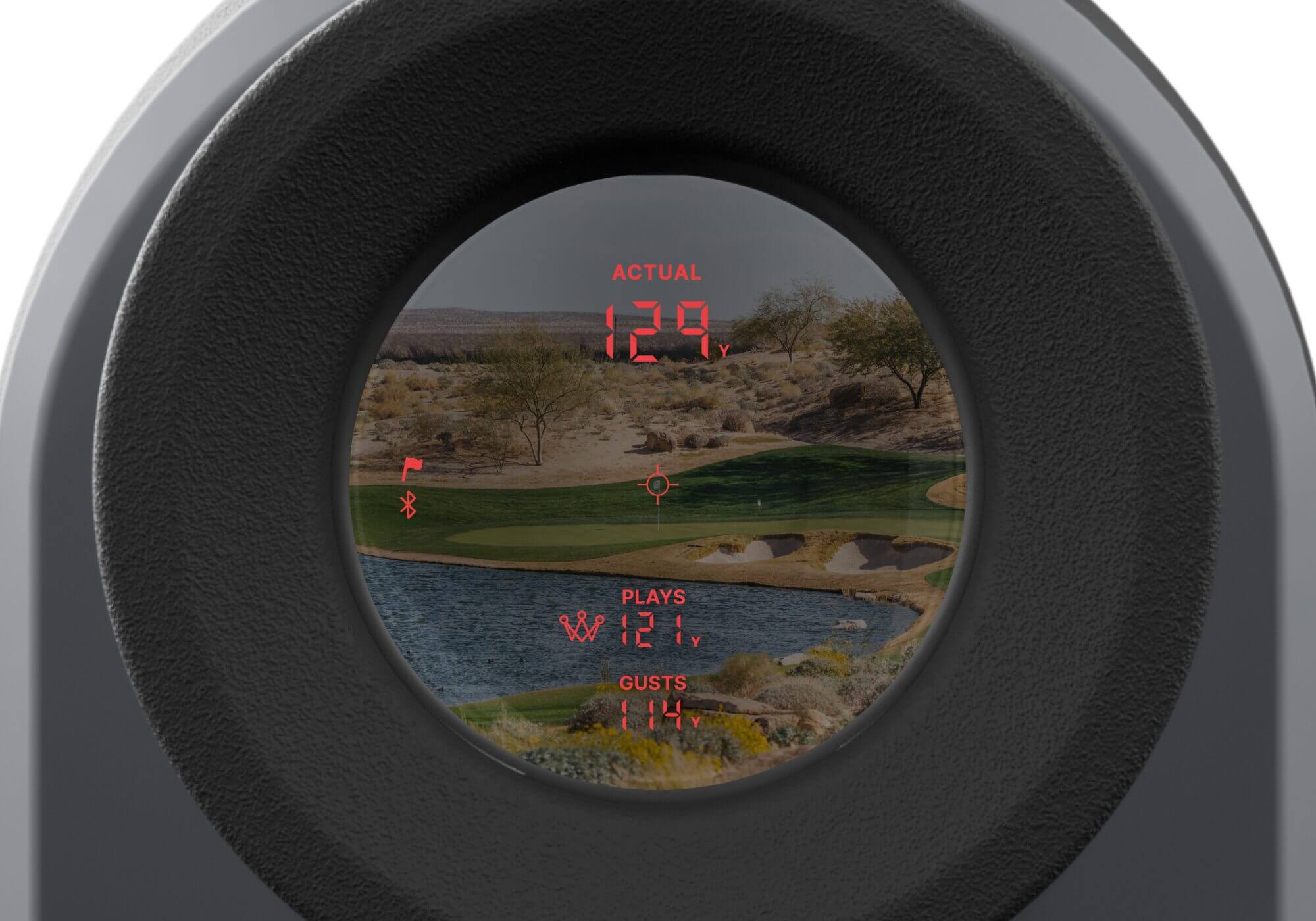
The rangefinder in your bag isn’t broken. It’s just doing less than you think it is. It’s measuring a straight line. What it can’t do is read the wind, factor in the temperature, account for where you are on the map or tell you what that 150-yard number is going to feel like when you pull the trigger.
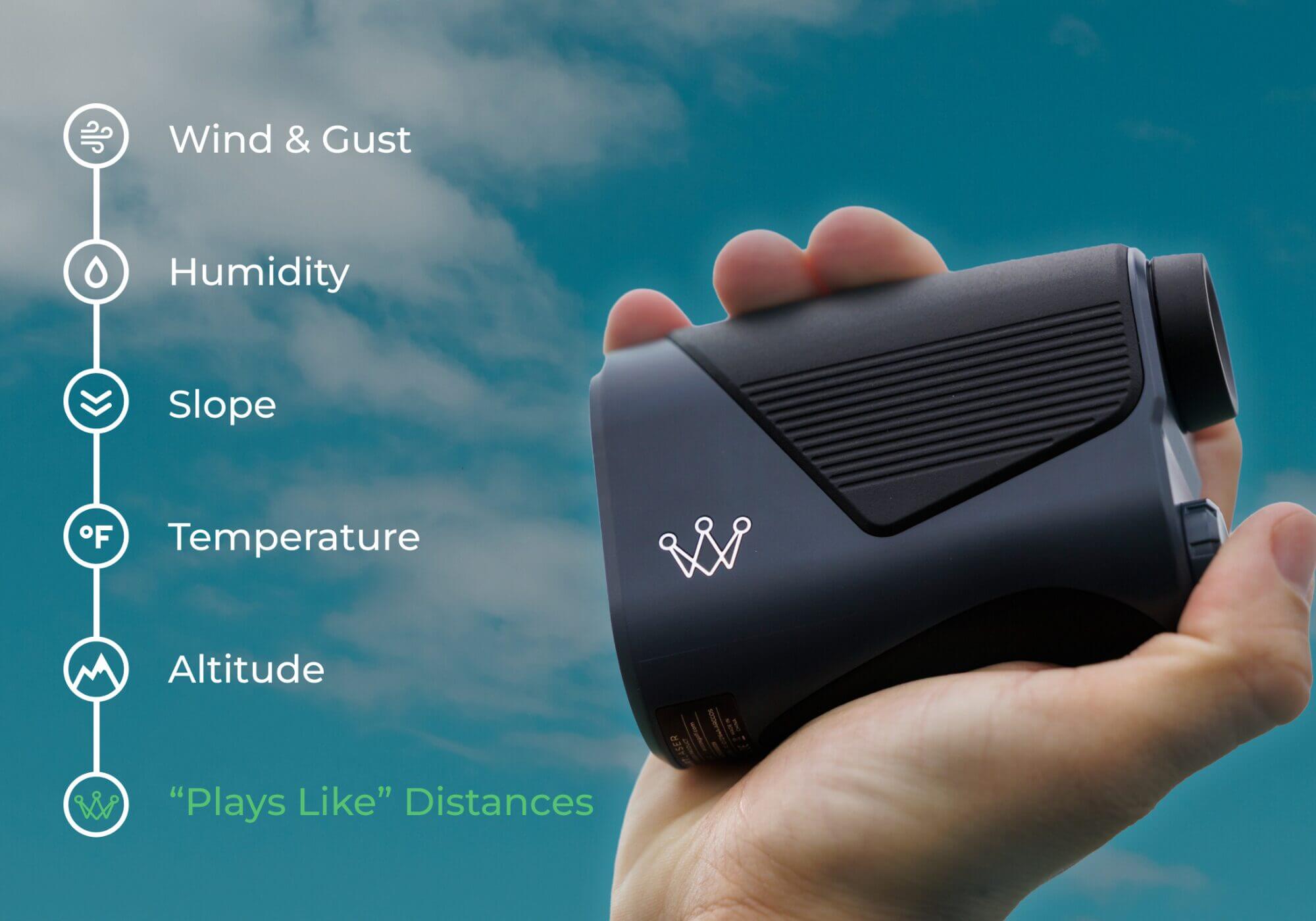
The Arccos Smart Laser does all of that. Every read produces a “plays like” number that accounts for wind speed and direction, gusts, temperature, altitude and humidity in real time. Knowing the distance and knowing the shot you need to hit are two different things.
The data across 3.5 million reads makes the case plainly: slope-only rangefinders are solving only 19 percent of the problem. The other 81 percent—the wind, the temperature, the altitude, the conditions you’re experiencing right now—that’s what’s deciding whether you find the green or come up short.
The post 3.5 Million Shots Of Data Says Your Rangefinder Is Wrong Half The Time appeared first on MyGolfSpy.
Article Link: https://mygolfspy.com/news-opinion/3-5-million-shots-of-data-says-your-rangefinder-is-wrong-half-the-time/