One thing we’ve learned from our industry-leading ball testing is that every golf ball under $30 comes with a catch. A premium ball might be too expensive or it might spin more than you want. Having a catch isn’t inherently bad but it does mean golfers need at least a basic understanding of what they’re looking for in a ball. Here are five golf balls for less than $30 a dozen and the trade-off that comes with each.
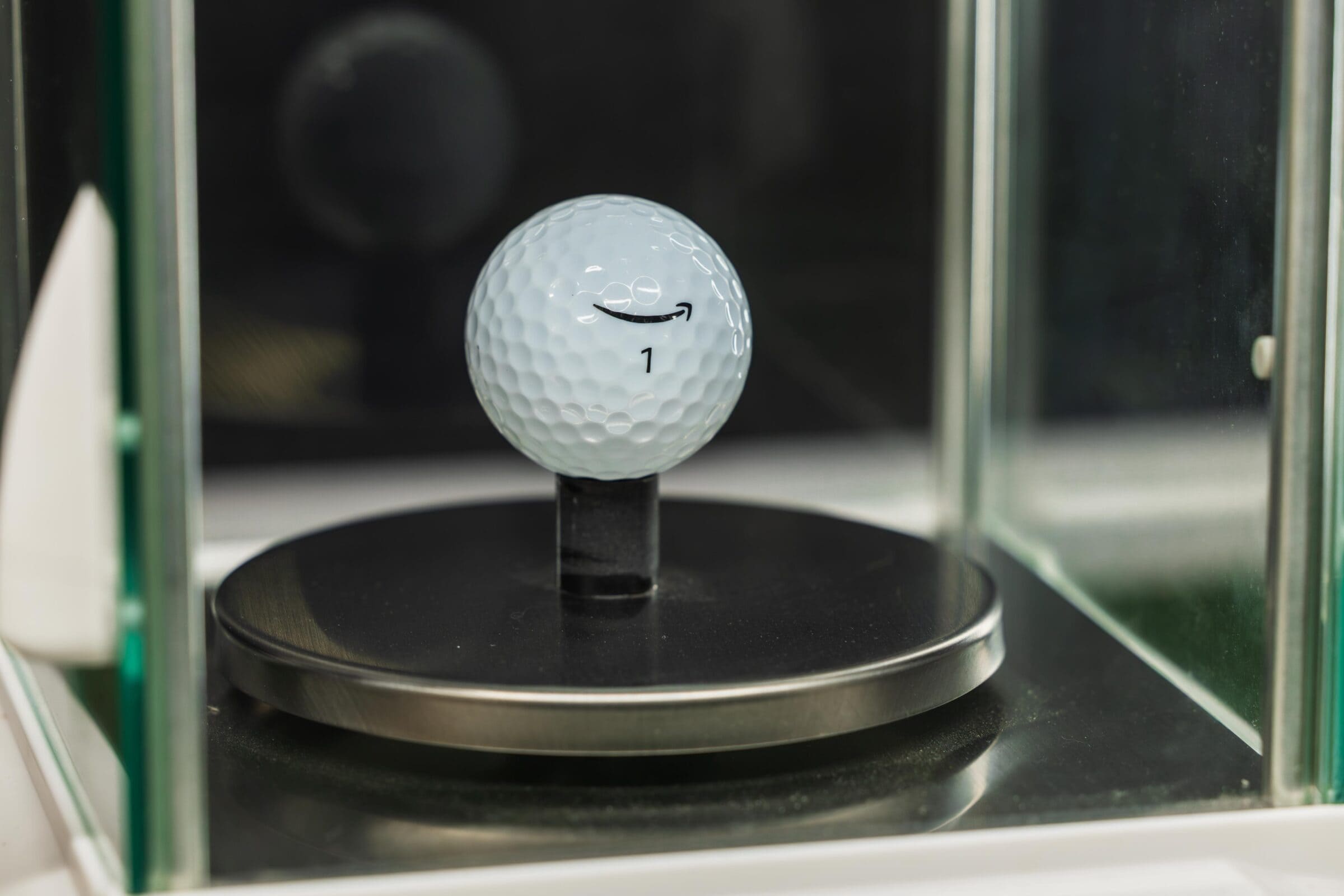
Amazon Basics Core Soft: $17.99 a dozen ($25.17 for two dozen)
This is a soft golf ball. MyGolfSpy counts anything with mid-70s compression or lower as soft and the Amazon ball measured 55. That softness shows up in how it behaves. At the low-speed 7-iron condition, it was the third-fastest ball in the test and its spin ranked 15th of 48. It was also MyGolfSpy’s top ionomer pick for low swing speeds.
The trade-off: speed that doesn’t turn into yards or stopping power. Despite being third-fastest at that low iron speed, it finished 42nd in total distance and it was one of the five lowest-spinning balls on the 35-yard wedge shot. It also isn’t a driver ball. It was among the lowest-spinning balls off the driver at the slowest speed tested. That makes it a fair choice for a slower swing that wants soft feel on a budget but not for someone who needs to stop the ball on the green.
Kirkland Signature Performance+: About $20 a dozen ($39.99 for two dozen)
This is the only urethane ball on this list. It’s also the one that most overperforms its price. At the slowest driver speed, the white version of the ball was the ninth-highest-spinning ball in the test and it’s the most spin you’ll find at this price. The yellow version was the fifth-highest 7-iron spinner at high speed and its greenside spin was effectively tied with the best ionomer in the test.
The trade-off: you’re not getting premium-level greenside spin. The white version’s greenside spin fell below the highest-spinning ionomer and Kirkland’s greenside spin has dipped across recent tests. Urethane doesn’t guarantee spin and this ball proves it. One thing to keep in mind: the yellow and white versions are made in different factories so the results often differ.
Picked for you, based on this story
 Review
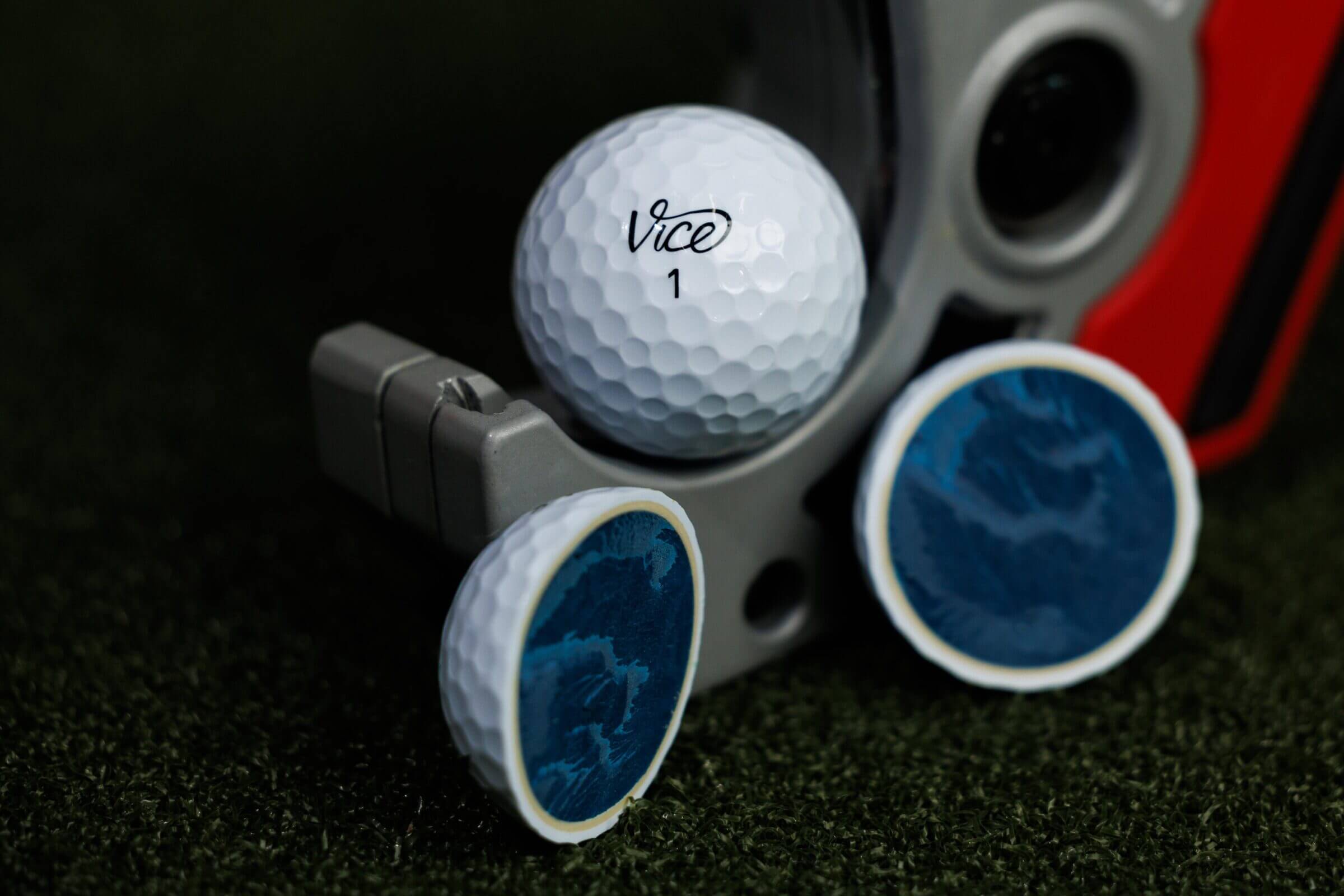
Vice Tour Ball Lab: 36 For 36
Every single Vice Tour ball passed inspection with zero defects across all 36 balls.
Read story →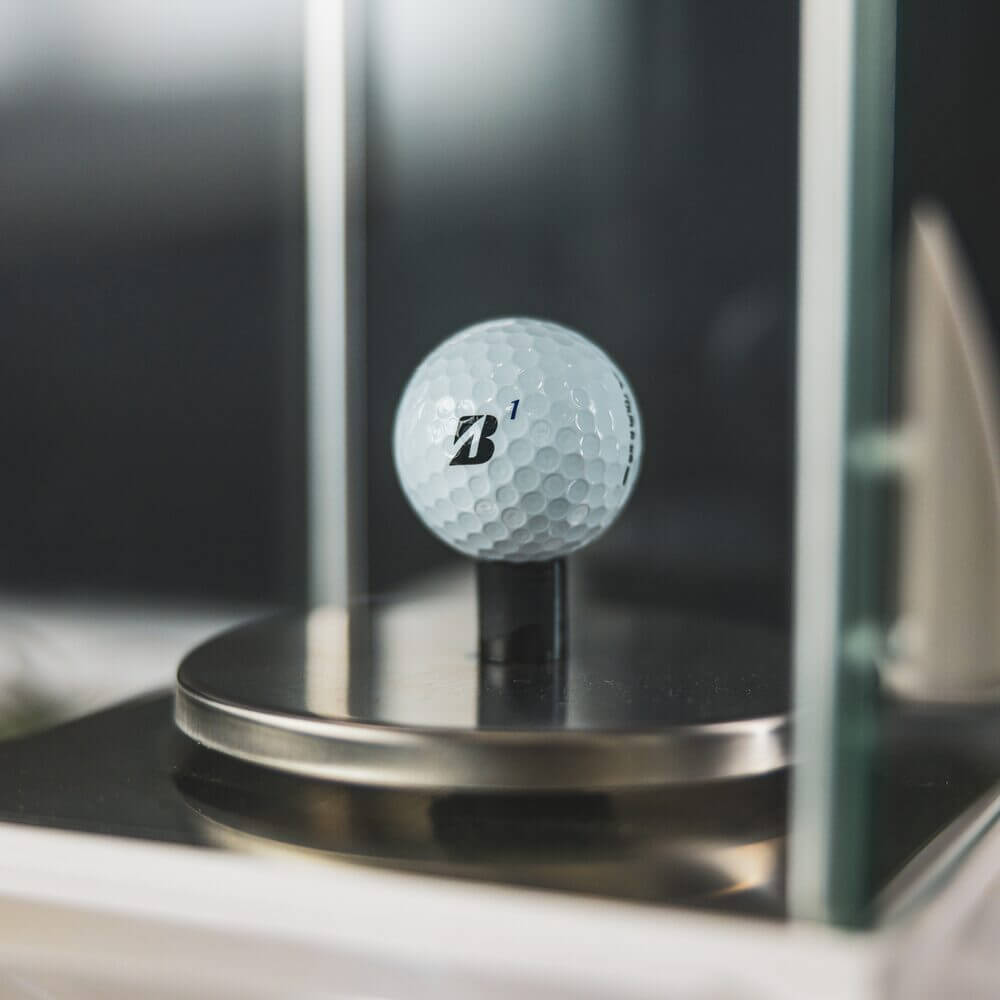 Buyer's Guide
Urethane Doesn't Guarantee High Spin
Two urethane balls differed by over 1,600 rpm on the same wedge shot.
Read story → Buyer's Guide
Longest Golf Balls For Every Swing Speed
At 100 mph, the longest ball overall dropped to 12th place when ranked by carry alone.
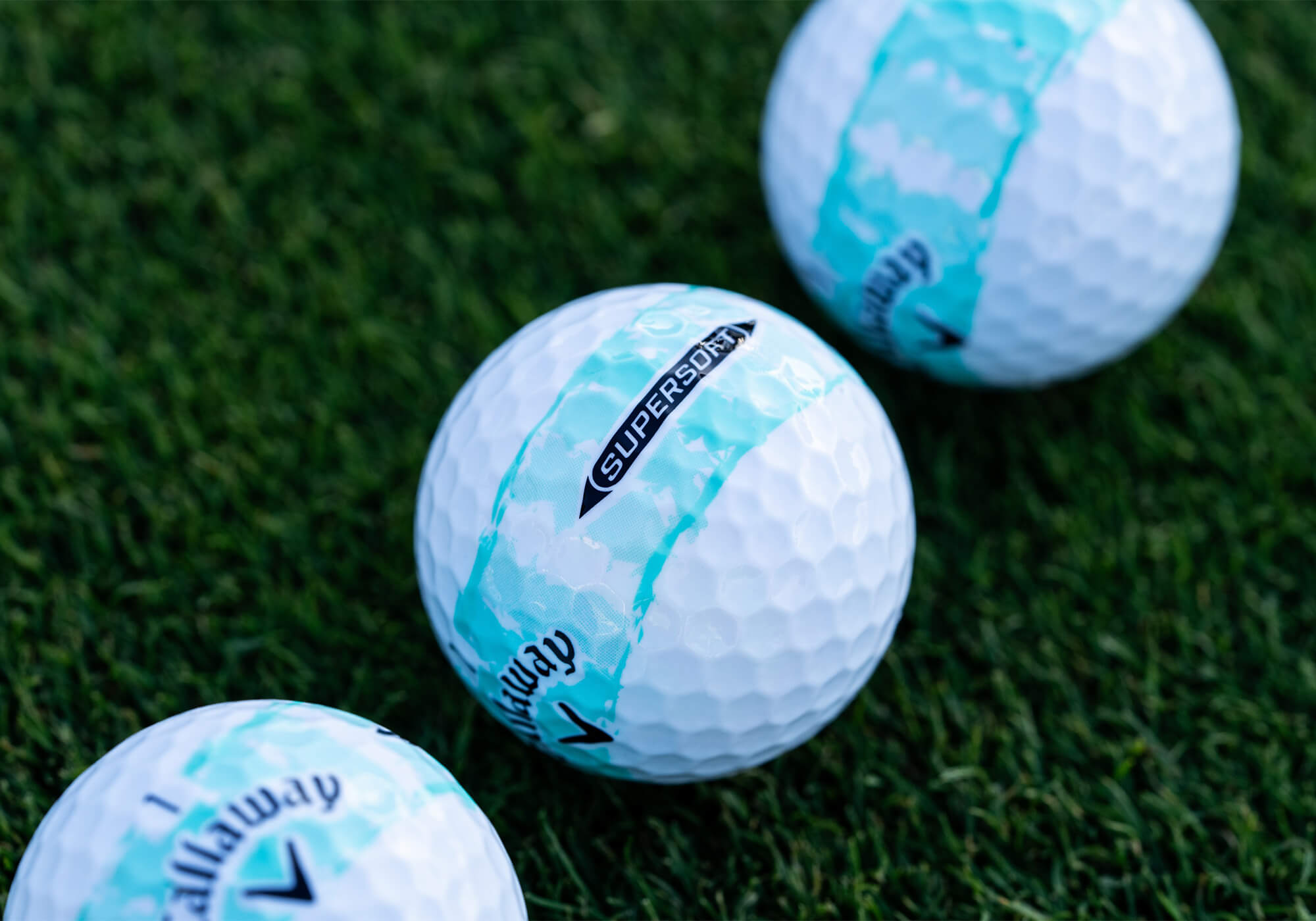
Read story →Callaway Supersoft: $26.99
Supersoft shows that “soft” doesn’t mean “slow” everywhere. It was the softest ball in the test and the slowest off the driver at high speed. Off the irons, though, it was a different ball. It finished in the top three for iron distance at high swing speed, was effectively tied for fastest at mid speed and was the fastest ball in the test at low speed.
The trade-off: iron distance without iron stopping power. Supersoft flies high but spins very little and on the 35-yard wedge shot, only the Titleist Velocity spun less. It can work for a slower swing that needs help getting the ball in the air and doesn’t mind a ball that runs out once it lands.
Vice Tour: $29.99 a dozen ($25.99 a dozen at six dozen)
Vice Tour is the ionomer that behaves most like urethane. At the highest driver speed, it finished 13th in total distance and beat 26 of the 38 urethane models. At the high-speed 7-iron, it was the fourth-highest spinner and out-spun 35 of 38 urethane balls.
The trade-off: it’s still an ionomer and the cover shows up at the edges. Even with that iron spin, it sat near the bottom of the high-speed iron distance chart. We’ve seen in testing that ionomers like this keep up through the full swing and then fall behind around the green and in wet conditions.
Titleist Velocity: $29.99
Velocity is the distance pick of the group. At mid swing speed, it posted the longest total distance of all 48 balls tested. Keep in mind that 22 balls finished in the top statistical group there so it wasn’t a clear winner but it can compete from a distance perspective.
The trade-off: distance that leans on roll and almost no wedge spin. Once roll is removed, Velocity fell from first to 12th in carry. On the 35-yard wedge shot, it spun the least by a wide margin, at barely half the spin of the top ball, and it launched about two and a half degrees higher than anything else in the test. It works best on firm fairways with a driver you trust and it’s not a ball for attacking pins.
How to choose
If your game depends on the short game, the data says to spend more for urethane. The Kirkland is the one exception on this list. If you want distance and can live with limited control around the green, look at the Velocity or Supersoft.
The post 5 Golf Balls Under $30 and the Trade-Off Each One Comes With appeared first on MyGolfSpy.
Article Link: https://mygolfspy.com/news-opinion/5-golf-balls-under-30-and-the-trade-off-each-one-comes-with/