
I’ve seen plenty of golfers play clubs that I know have performance issues yet they believe those clubs work perfectly well for their game. If you have tested an iron, seen the numbers and know it performs for you, that matters more than any ranking.
However, you should not blindly choose an iron when there is data available. A little research, a fitting and personal testing are always important.
Just as important as telling you which irons performed well, we need to point out where the gaps in performance appeared. Some of these irons were hurt by one particularly weak category. Others struggled to produce the balanced performance golfers should expect.
Here are five irons that the data may push you away from in 2026.
MacGregor Toney Penna Tour Forged CB
The MacGregor Toney Penna Tour Forged CB finished last in the 2026 player’s iron test with a 7.9 overall score. It was the only iron across these four categories to finish with an overall score in the sevens.
Distance was not the problem. The MacGregor earned a strong 9.4 distance score. However, it tied for last in accuracy at 7.3 and earned just 7.7 for forgiveness.
That combination is difficult to overlook in a player’s iron. Golfers choosing a compact forged cavity-back are generally looking for precision and predictable carry distances. The MacGregor offered plenty of speed but our testing showed too much of a tradeoff in accuracy and consistency.
Fourteen TC-826 Forged
The Fourteen TC-826 Forged had a similar issue. It earned a 9.0 distance score but finished with just 7.3 for accuracy.
Its 8.5 forgiveness score was respectable. The concern was that it did not provide the precision we expect from a player’s iron.
Golfers looking for control and dependable proximity numbers should test it carefully before putting it in the bag.
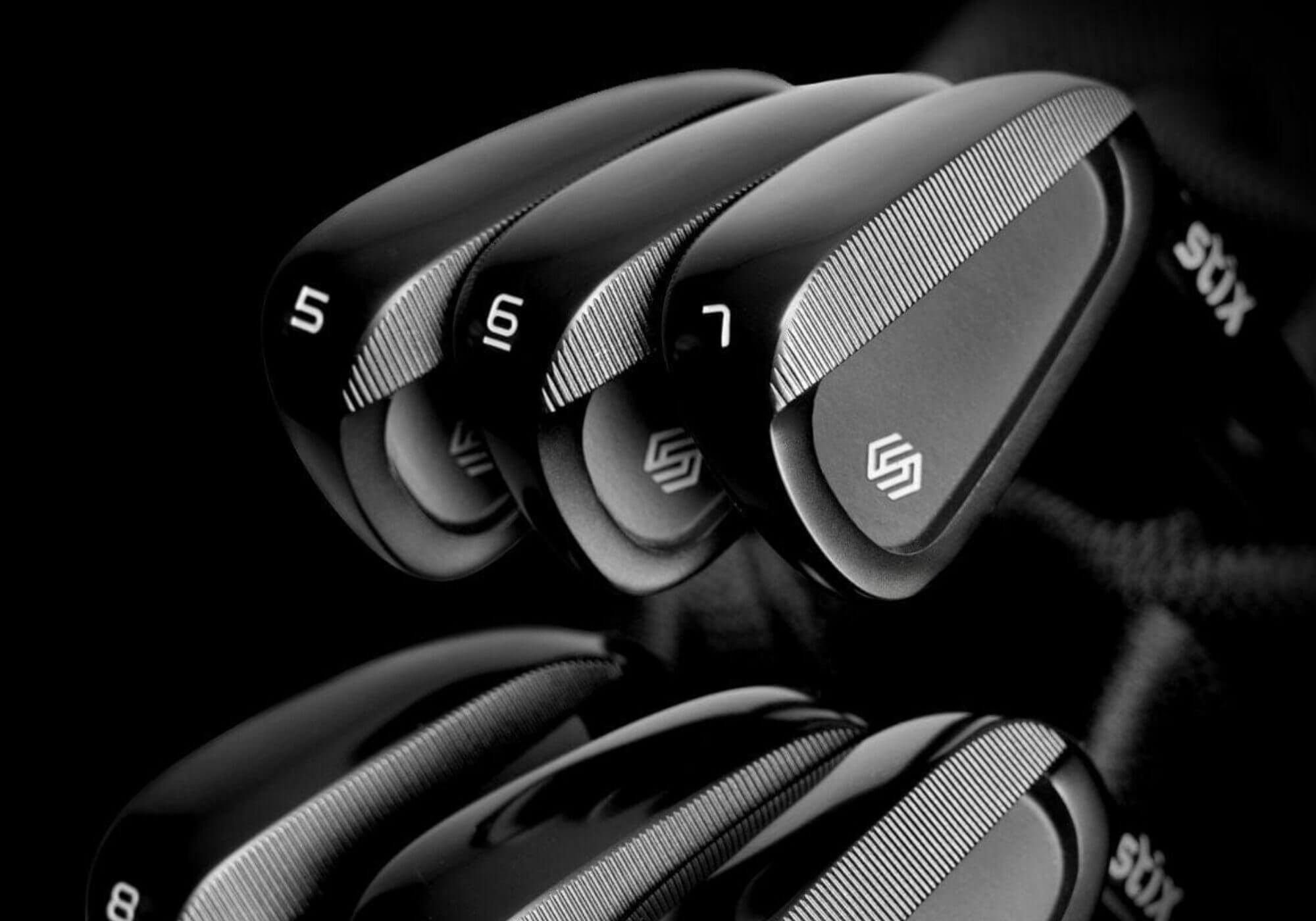
Stix Perform Series 2.0
The Stix Perform Series 2.0 finished last in the game-improvement category with an 8.1 overall score.
Stix earned an 8.4 for accuracy and an 8.9 for forgiveness. Unlike the first two irons on our list where distance was the only category that shone, for the Stix Perform Series 2.0 distance was the clear weakness.
The Perform Series 2.0 earned a 6.9 distance score, easily the lowest in the game-improvement test. Its average carry distance was more than 10 yards shorter than the longest iron in the category. A full club length when choosing irons matters.
Not every golfer needs stronger lofts or maximum distance. Still, additional speed and carry are two of the main reasons golfers move into a game-improvement iron.
PXG 0311 XP GEN8
The PXG 0311 XP GEN8 was one of the longest game-improvement irons we tested. It earned a 9.7 distance score and produced some of the fastest ball speeds in the category.
Unfortunately, the rest of its performance did not match that speed.
The PXG earned just 7.7 for accuracy and 7.8 for forgiveness. Those are concerning results for an iron designed and marketed to make the game easier.
Golfers who need a game-improvement iron are usually looking for better results when contact is less than perfect. Our testers did not see enough of that with the PXG 0311 XP GEN8.
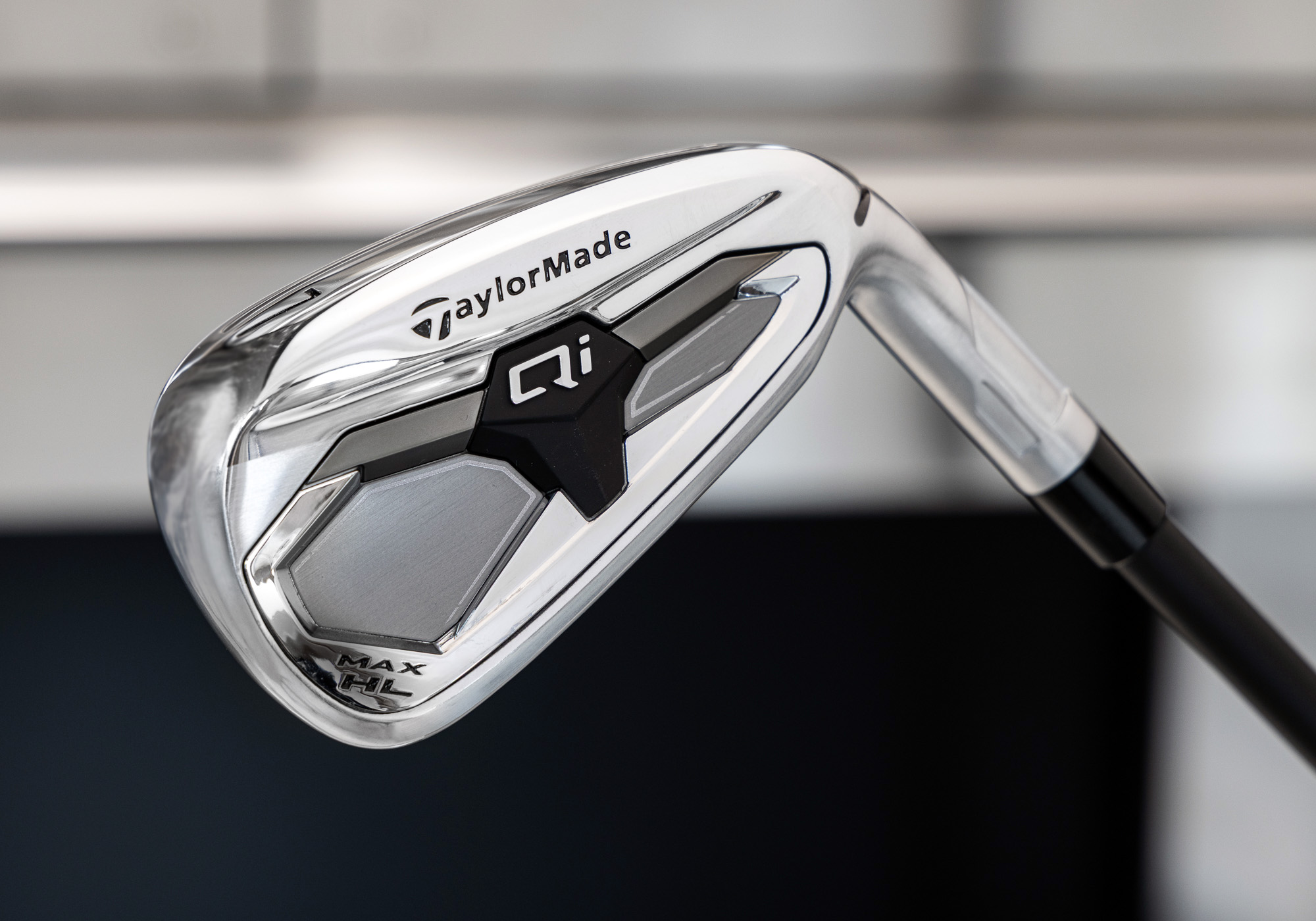
TaylorMade Qi Max HL
The TaylorMade Qi Max HL finished last among the super game-improvement irons tested in 2026 with an 8.3 overall score.
Unlike some of the other irons on this list, the Qi Max HL did not have one disastrous result. It earned an 8.2 for accuracy, 8.5 for forgiveness and 8.4 for distance.
The issue was that it did not stand out anywhere.
This one is positioned as a high-launch, maximum-help iron but it couldn’t keep pace and golfers should be aware of that. It’s one that is worth testing before adding it to your golf bag.
Should you completely avoid these irons?
Not necessarily.
An iron that struggled in our test could still work for your delivery, speed and impact tendencies. However, these results should give you a reason to test before you buy.
The MacGregor and Fourteen produced plenty of distance but struggled with accuracy. The Stix was consistent enough but lacked the distance expected from a game-improvement iron. The PXG delivered speed without enough accuracy or forgiveness. The TaylorMade did not have a major flaw but it also failed to provide a standout strength.
None of that means you cannot play good golf with these irons. It means you should have a clear, data-backed reason before choosing one.
The post 5 Golf Irons We’d Think Twice About Buying In 2026 appeared first on MyGolfSpy.
Article Link: https://mygolfspy.com/buyers-guide/5-golf-irons-wed-think-twice-about-buying-in-2026/