
With its 2026 golf ball lineup, Callaway continues to lean into Precision Technology while boosting the speed advantage it says it has over the industry leader. The company has continued to invest heavily in the manufacturing improvements that have transformed its Chicopee, Mass., factory into what it believes is the most technologically advanced ball facility anywhere.
All of this is a roundabout way of saying that as the clear #2 brand in the golf ball category, Callaway has Titleist in its crosshairs and, with a little help from its competitors, hopes to continue to nibble away at the #1 ball in golf’s share of the retail market.
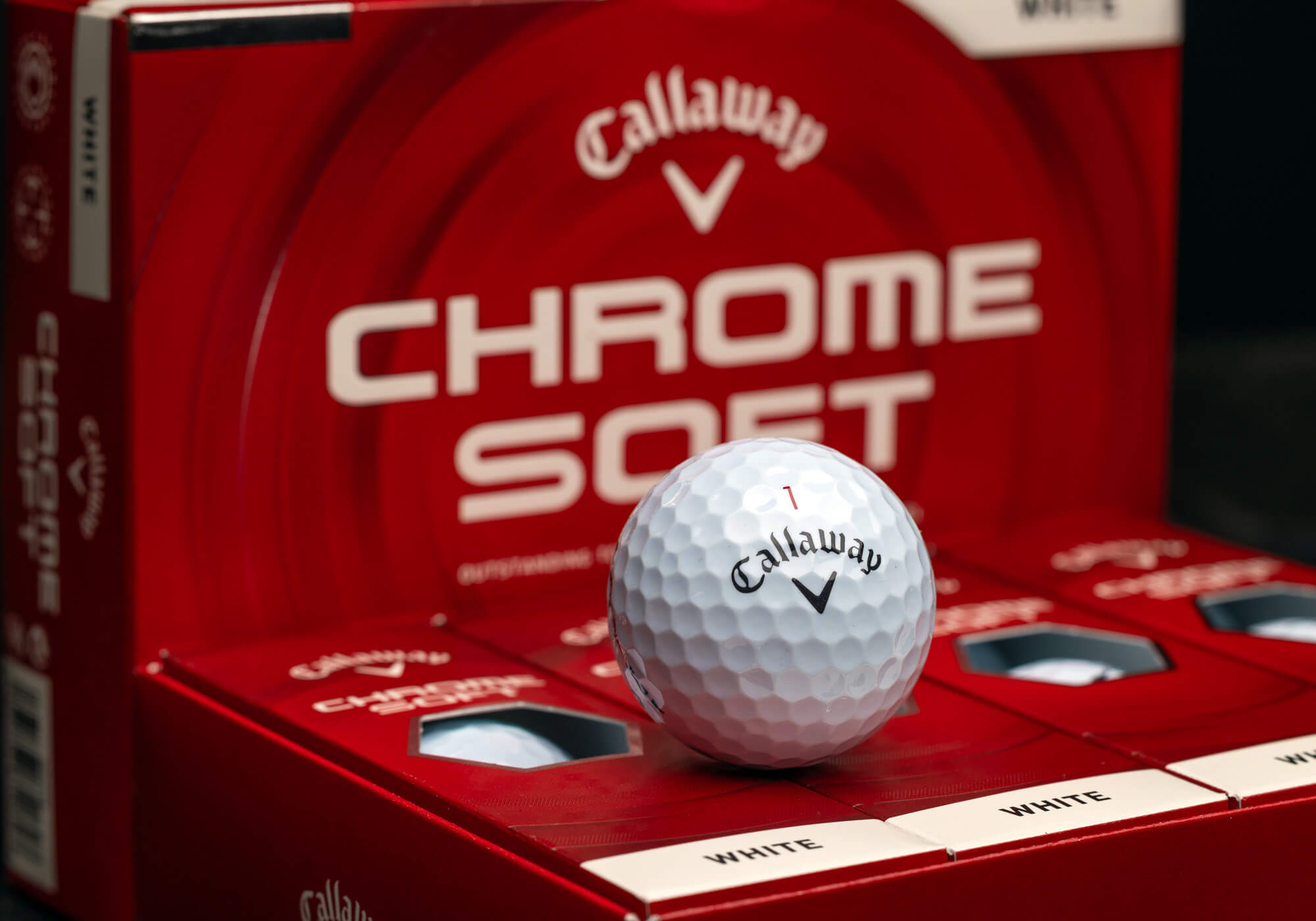
Gains have been made. Last October, Callaway claimed a roughly 22 percent market share for the first time ever. While a good portion of that growth comes from Supersoft, the company is making meaningful gains in the tour category as well and hopes to continue, if not accelerate, those by way of updated Chrome Tour, Chrome Tour X and Chrome Soft golf balls.
A good bit of Callaway’s messaging will center on what the company believes is a speed advantage over Titleist and other competitors (but mostly Titleist). Testing on robots and with golfers shows the new Chrome Tour to be faster than Pro V1 and Chrome Tour X to be faster than Pro V1x.
More than just a marketing approach, it’s a direct challenge that says Callaway is confident most golfers will notice the difference … assuming it can convince more golfers to try the new models.
Tour Fast Mantle
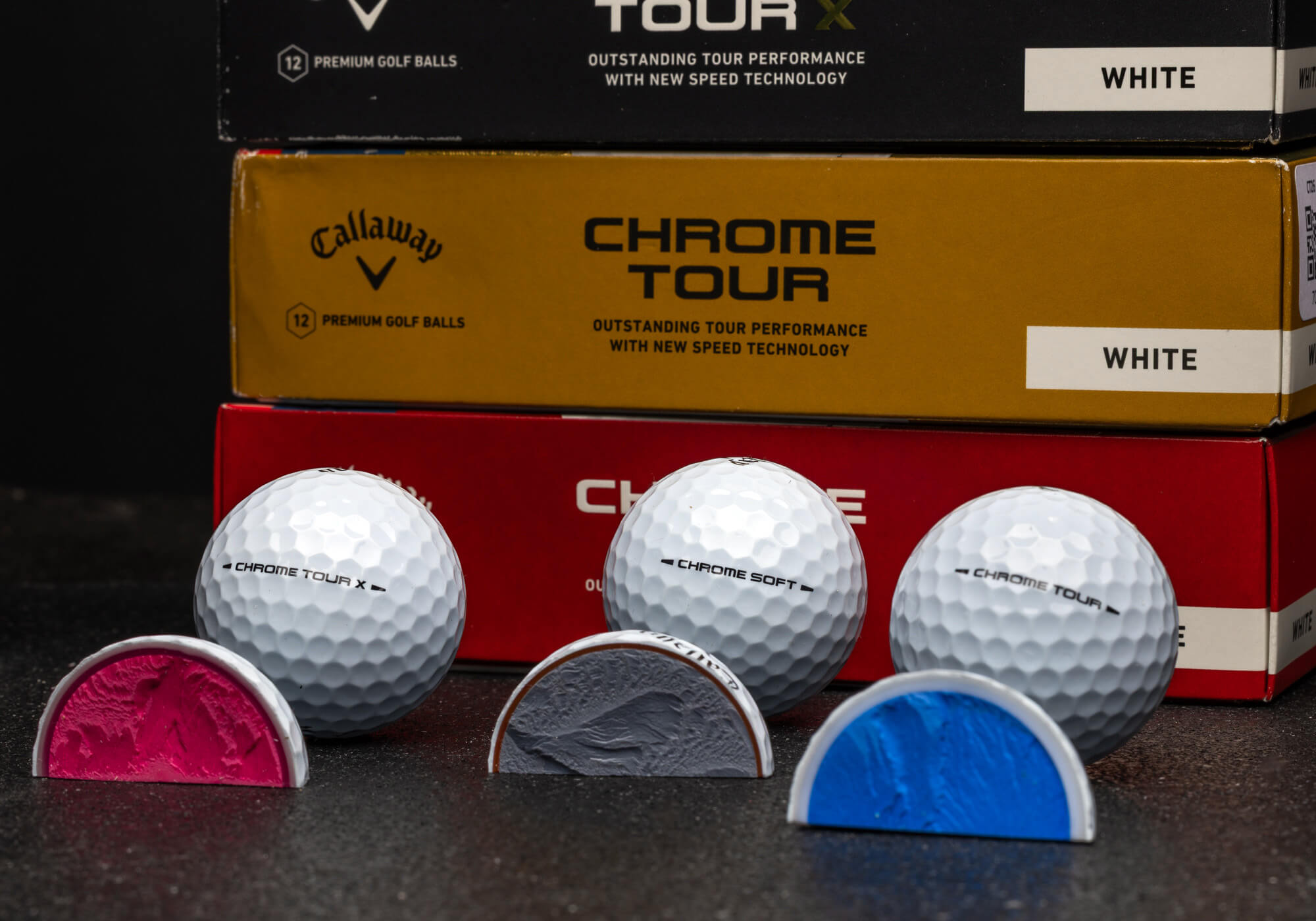
The biggest upgrade to the 2026 Chrome lineup centers around what Callaway calls its Tour Fast Mantle. While it’s painfully obvious the marketing department was perhaps too involved in putting a name to it, the key point is that Callaway’s new models feature an outer mantle layer comprised of a new High Flex Modulus that’s unique to the company.
As with most things of a proprietary nature, Callaway isn’t saying exactly what the new material is, only that it’s more responsive than Surlyn formulations used industry-wide.
“Think of it like a spring,” explains Eric Loper, Callaway’s Senior Vice-President of R&D. “The stiffer the spring, the more energy you get back when you compress it. We’ve created a material that acts like a much stiffer spring at impact, giving us that energy return while still allowing us to soften other layers to maintain the compression golfers expect.”
Callaway says the Tour Fast Mantle is 16 percent more responsive than the materials used in previous Chrome-series balls. The firmness of this new outermost mantle layer provided the extra speed Callaway was looking for but one of the challenges with adding a firmer material is avoiding making the ball itself firmer and compromising the feel that golfers have come to expect from their preferred Callaway model.
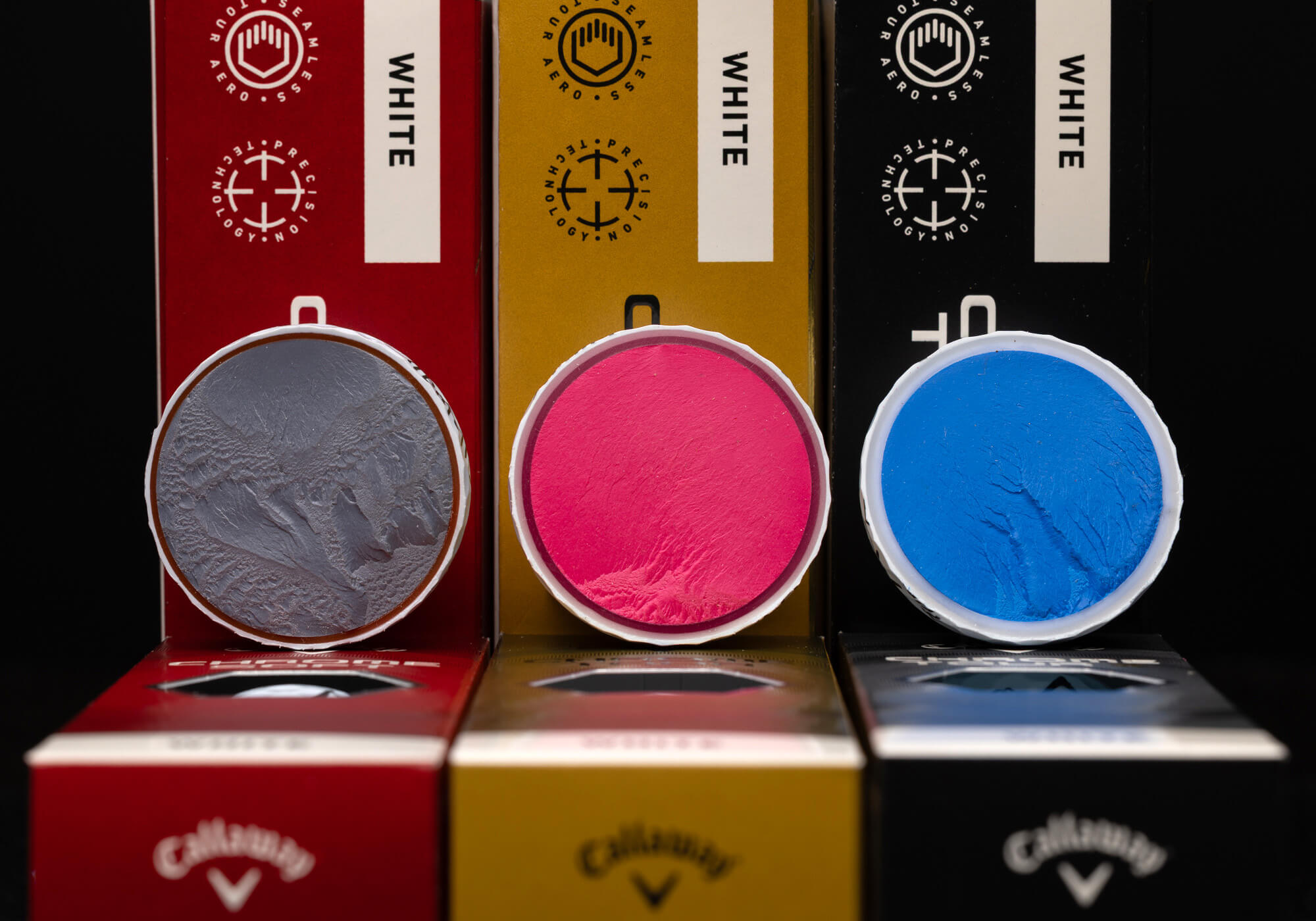
To avoid jacking compression and making the new models feel neutral relative to the 2024 models, Callaway softened the other mantle layer as well as the core. According to Callaway, golfers will experience the feel and compression they’re accustomed to while benefiting from the speed gains of the new mantle material.
With all of that said, I’d be remiss not to mention that while speed is nice to have, it isn’t everything. You still need to align trajectory and spin characteristics with your swing. Nevertheless, Callaway is confident it’s going to win the speed battle. While Callaway is encouraging golfers to experience the difference for themselves, based on our experience with the new models, .5 to 1.5 mph additional speed over the competitive set is a reasonable estimate but, as always, this sort of thing is entirely golfer dependent.
Precision paint
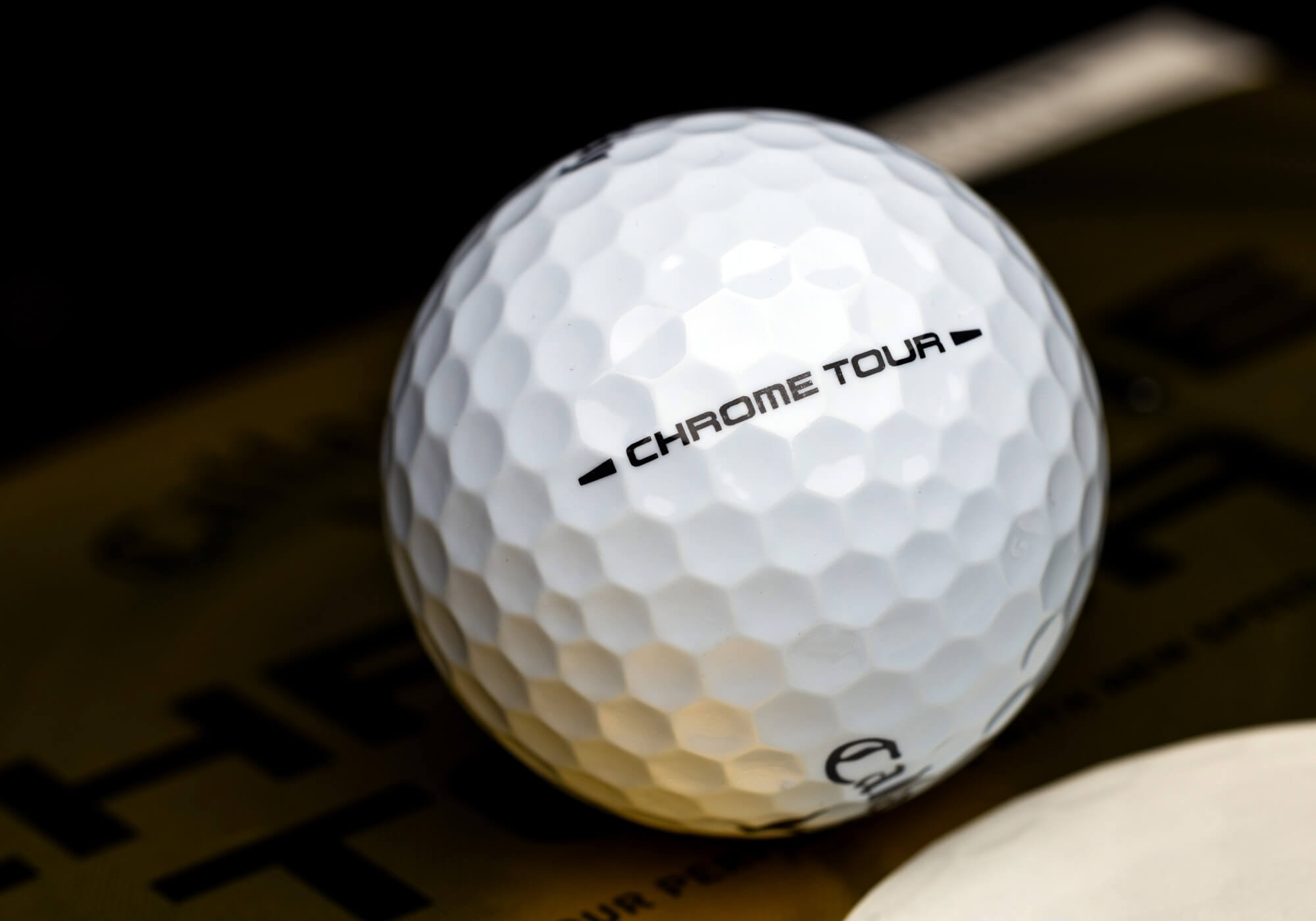
I’d wager most golfers haven’t given much thought to the paint on their golf ball, at least not beyond the choice between yellow and white, but paint is a critical part of golf ball performance. And while it isn’t exactly the sexiest of topics, you’re going to be hearing plenty more about it this year.
Every year during ball testing, we see balls fly significantly offline despite being hit on center. Sometimes it’s concentricity issues – off-center cores or misaligned mantles. But uneven paint coverage, often impossible to see with the naked eye, can also disrupt aerodynamics and negatively impact ball flight in all directions.
Callaway has implemented new tooling and new processes to improve the uniformity of paint coverage across its entire lineup. The new paint process is an integral part of production at the Chicopee factory and applies to all Chrome models, not just the 2026 releases. Even if you’re a Chrome Tour Triple Diamond loyalist, your preferred Callaway ball is getting the updated paint treatment even though there isn’t a new version coming this year.

Paint consistency will be a talking point across the industry this year and while Callaway isn’t the only company making improvements, they believe they’re ahead of the curve. I should probably mention that while most of the industry has leveraged similar painting processes, Bridgestone’s paint is infused in its urethane materials so while their Tour B models have a layer of clear coat, they aren’t painted in the traditional sense.
(A DIY side note here: While a high-powered microscope is going to give you the clearest answers, you can get a sense of paint uniformity by using a black light. Uniform coverage glows evenly under UV light while uneven coverage can look splotchy. Feel free to grab a dozen balls and light them up if you’re curious.)
Seamless Aero
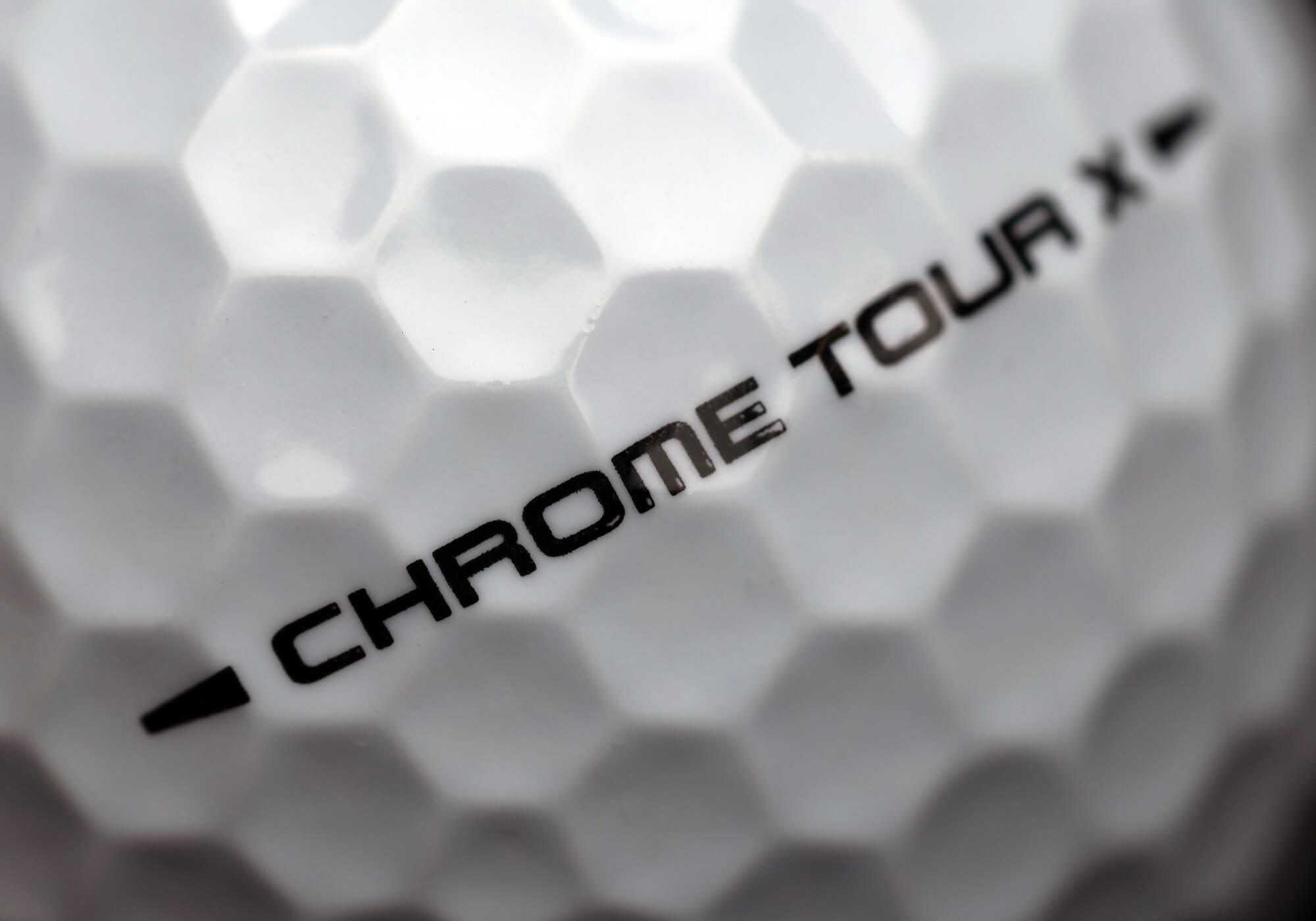
We talked about Callaway’s seamless aero last time around but it’s worth digging into again (briefly).
Golf ball manufacturing relies on bringing two halves of a full cover mold together. When those two halves are squeezed, a bit of extra urethane (commonly referred to as flash) is left along the seam.
No golf ball is entirely seamless but differences in how the seam is treated matter. Most brands buff along the seam. Buff, in this case, is a euphemism for grinding and, in some cases, the process can disrupt dimples along the parting line (aka the seam). When that happens, aerodynamic performance can suffer.
Testing golf balls over the years, we’ve found several instances where seams have been over-buffed, leaving a recessed channel along the seam. We’ve also found balls where buffing was incomplete, leaving a raised lip along the seam.
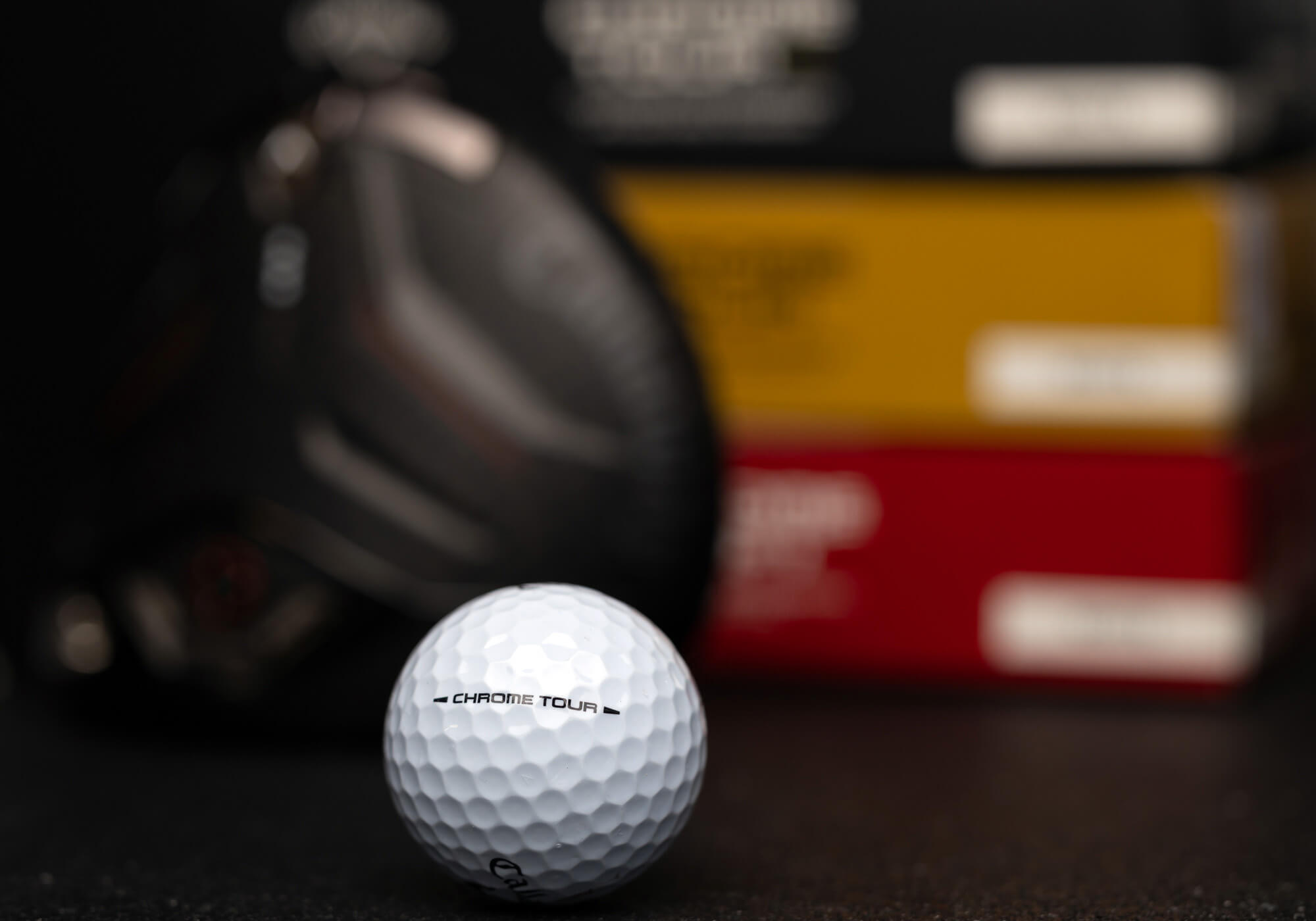
Callaway’s approach is a bit different. Instead of buffing the seam, it removed material from the entire ball. The process is, of course, accounted for in the cover design and the advantage, says Callaway, is that it eliminates any inconsistencies along the seam and prevents aerodynamic disruption as a result of the manufacturing process.
As far as the dimple patterns themselves, all three models in the Chrome family use the same foundational pattern although key design elements like dimple depth and the thickness of facets between dimples vary between models. Each ball also features circular dimples intermingled with Callaway’s signature hex dimples throughout the pattern, optimized for the specific performance characteristics Callaway targets for each model.
With all of that out of the way, let’s look at each of the three upgrade models in more detail.
Chrome Tour: The Pro V1 alternative
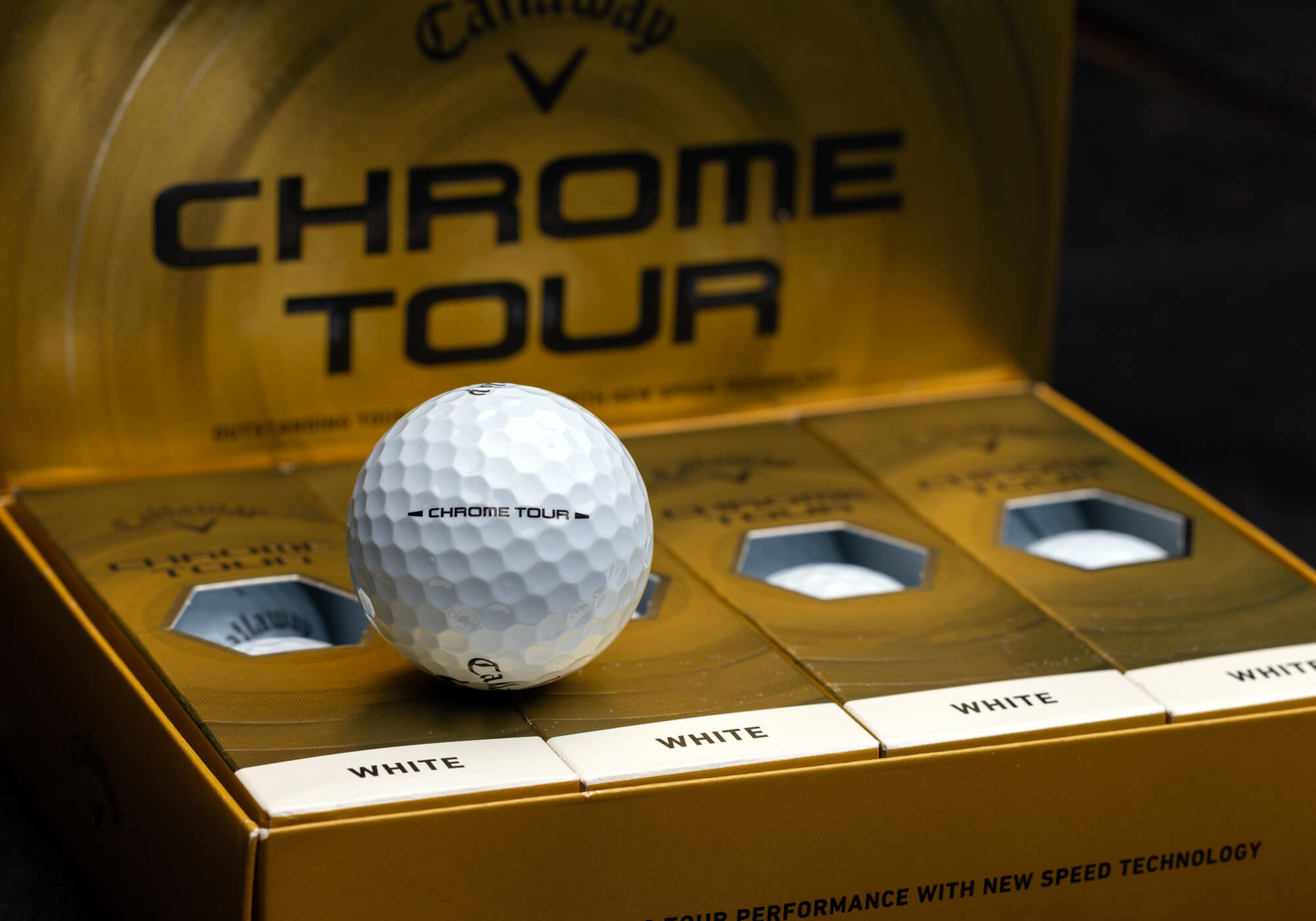
The Chrome Tour is Callaway’s direct answer to the Pro V1, offering similar compression (around 90) with the speed advantages of the new Tour Fast Mantle. As with all Chrome-series golf balls, Chrome Tour offers four-piece, dual-mantle construction.
As the one in the middle of the Callaway Chrome lineup, you should expect mid-trajectory, mid-spin performance. The nuance is that driver spin should be relatively low and, like virtually every other premium ball on the market, Callaway claims high greenside spin.
All things being relative, expect this ball to produce more greenside spin than Chrome Soft but less than Chrome Tour X. It’s the balanced option in the lineup – the ball that should work for the broadest range of players.
The Callaway Chrome Tour is available in White, Triple Track, Triple Track Yellow and TruTrack.
Chrome Tour X: Lower spin, more speed
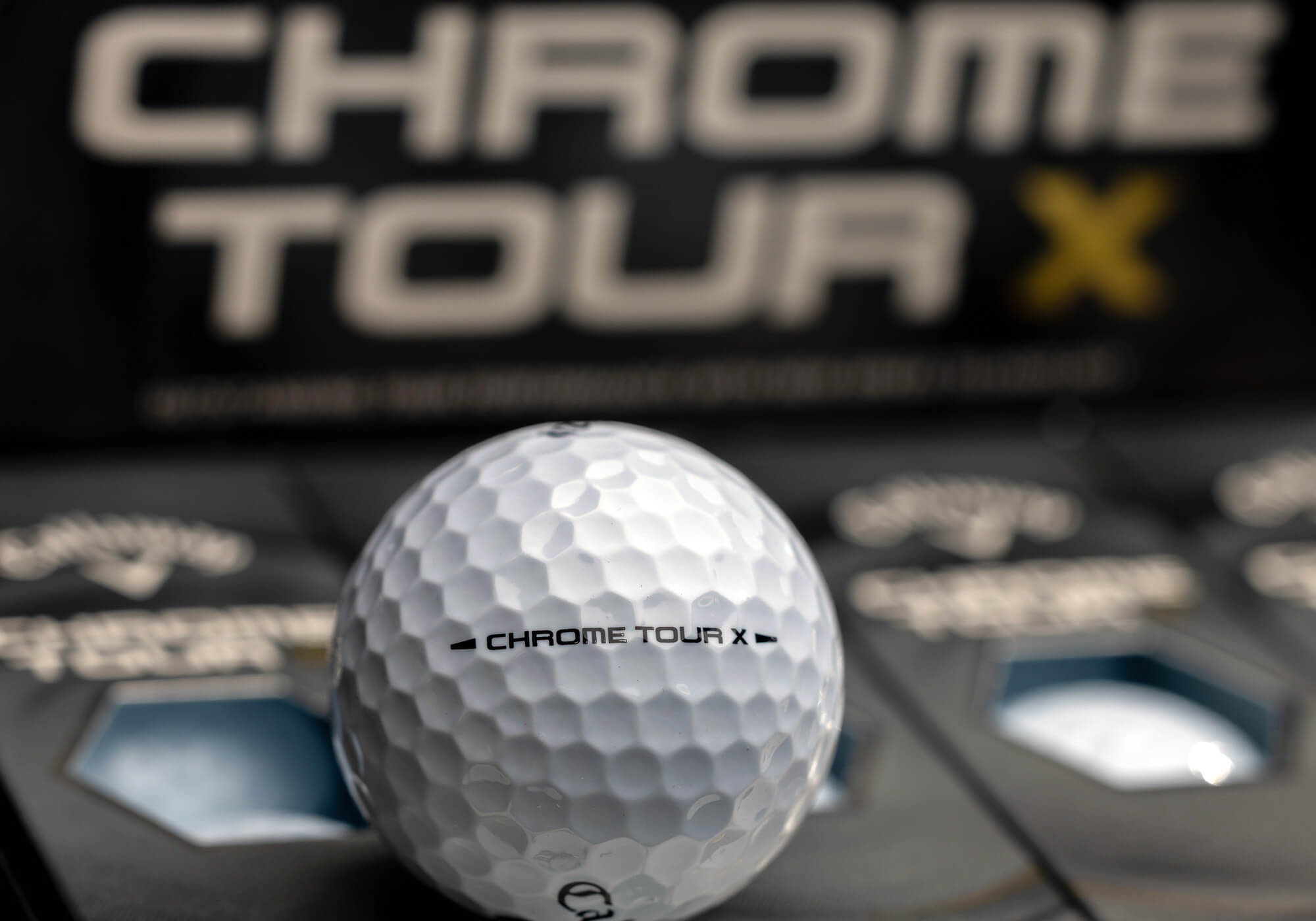
The Chrome Tour X is likely the most evolved ball in terms of performance within the new lineup. Previous versions of Chrome Tour X have always been among the fastest balls on the market (compression is in the high 90s, similar to Pro V1x) but they’ve also been among the spinny-est of the competitive set.
For my money (and for whatever it’s worth), market share data suggests Chrome Tour X is the most overlooked golf ball out there. It’s not a spec that works for me but I’m telling you it’s a really good ball.
With the updated version, Callaway worked specifically to reduce spin off the tee and on approach shots without giving up much of anything with wedges. While most players will still fit into the same Callaway ball as before, the reduced spin of Chrome Tour X might make it an option for players who found previous versions spun just a little too much for their swings.
The Callaway Chrome Tour X is available in White, Triple Track and TruTrack.
Chrome Soft: Still soft-ish, now faster

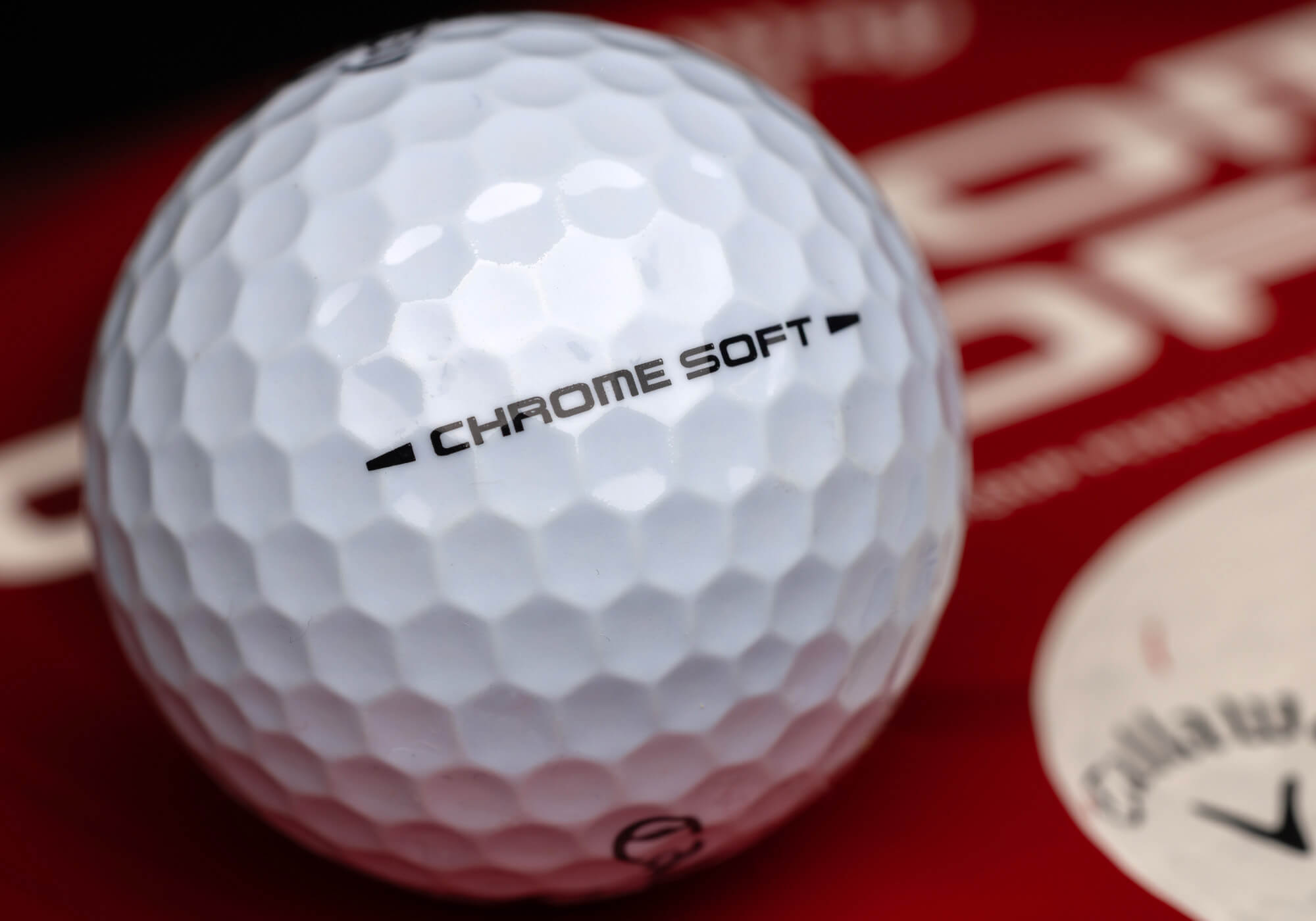
Chrome Soft remains popular with golfers even as Callaway has focused more attention on its true tour models. The new version benefits from the same Tour Fast Mantle technology, making it faster than its predecessor while maintaining the high trajectory and low spin characteristics that have made it a favorite among recreational golfers.
This is still the ball for players looking for multi-layer urethane construction with soft-ish feel. Given the lower compression, it’s still going to launch high with low spin through the bag but, with added speed, it should be a bit longer than previous models.
The Callaway Chrome Soft is available in white, yellow, pink, Triple Track and Truvis options.
Golfer-friendly packaging
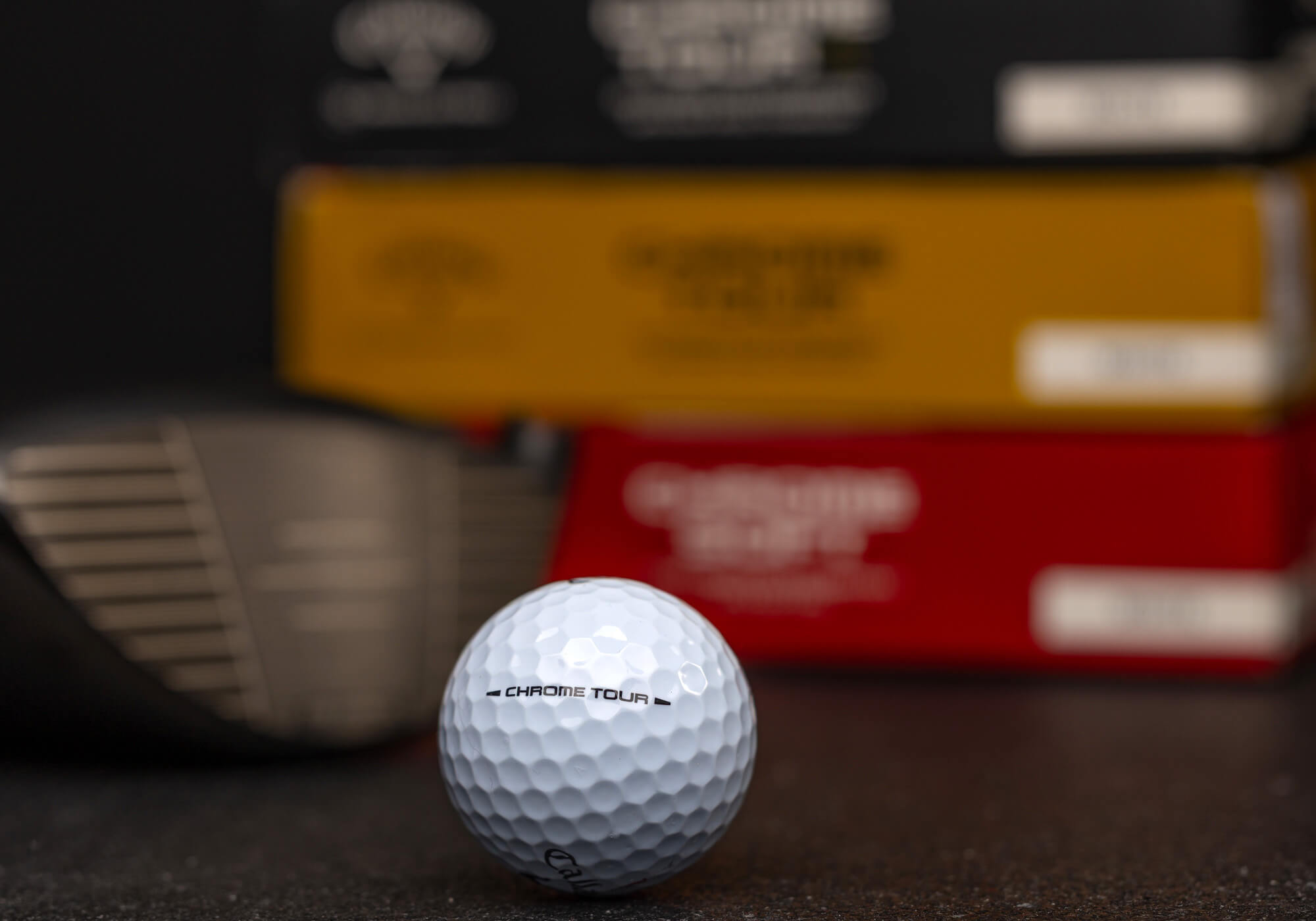
It’s not exactly headline news but, as you probably know, every ball release comes with new packaging. With this year’s launch, Callaway is adding a small but useful upgrade to its box design. The actual ball design will be displayed on the outside of the box. If you want Triple Track, instead of relying on small text in a corner somewhere, the image on the box will show a Triple Track ball. The same goes for Triple Track, yellow, and whatever other variants Callaway decides to throw at us.
It’s a simple change that should make it easier for golfers to ensure they’re buying the version they actually want.

More limited editions on the way
Callaway launched several limited-edition balls last year with varying degrees of success. The cadence suggests there will be more to come in 2026. Given how quickly they sold out, expect a fresh run of cat balls to be among them.
Availability and pricing
The 2026 Callaway Chrome Tour, Chrome Tour X and Chrome Soft golf balls are available for pre-sale now. Full retail availability begins Jan. 30. Retail price is $57.99 per dozen.
For more information, visit Callawaygolf.com.
The post Callaway Doubles Down On Speed And Precision With New Chrome Tour, Chrome Tour X And Chrome Soft Golf Balls appeared first on MyGolfSpy.