
If you love wedges, 2026 is a great time to be alive. Pick anything from the Big Four and you’ll find serious performance. Hell, you can find plenty of direct-to-consumer wedges that’ll help you stick it close.
However, in terms of retail market share and PGA Tour usage, Cleveland Golf is in the top three and has been for as long as I can remember.
Which, at my age, is long.
I’ve had an on-again/off-again relationship with Cleveland wedges over the decades. The advent of ZipCore technology got me back on the bandwagon (feel was awesome) and the current RTZ has been in my starting lineup since its debut last year.
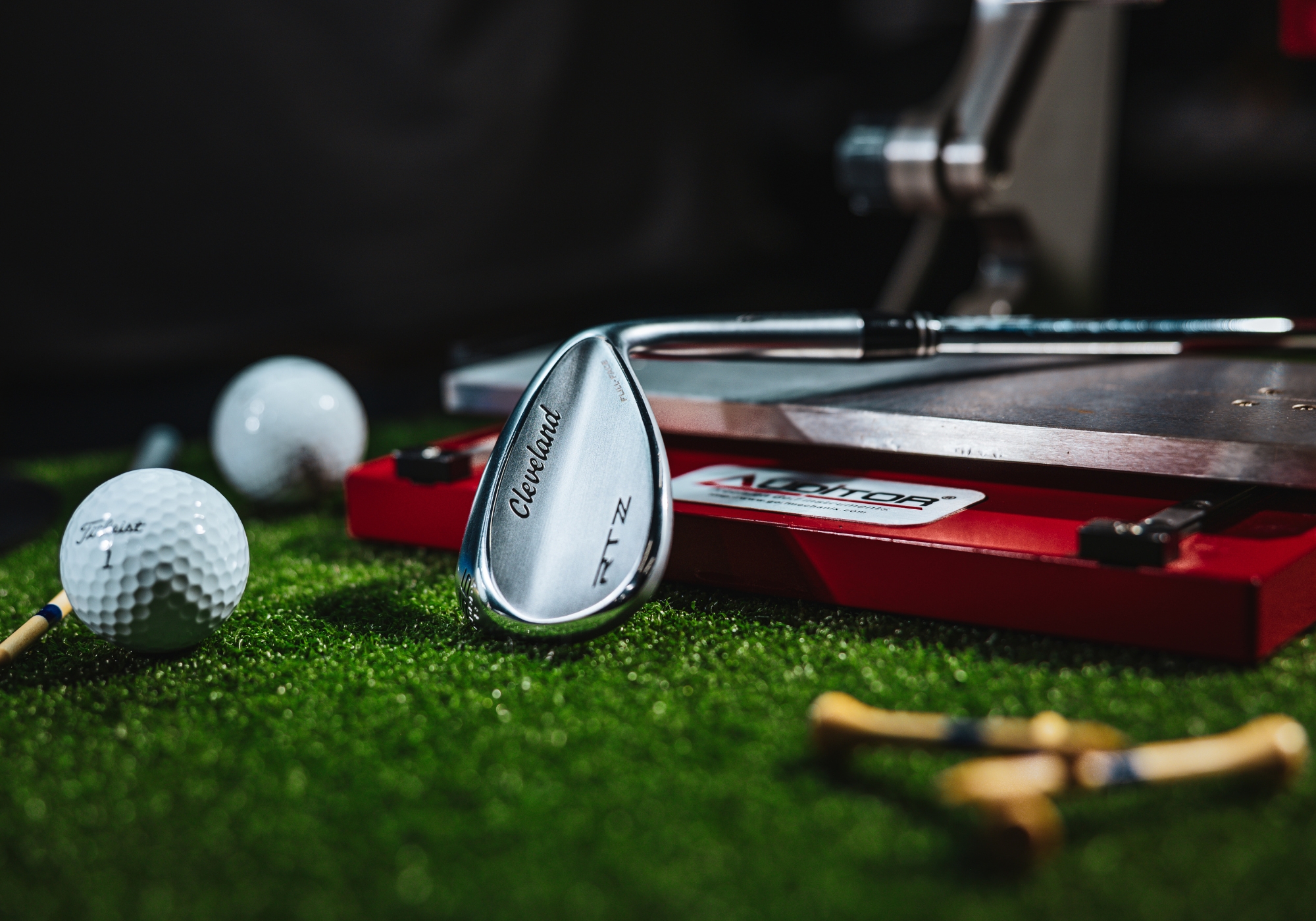
There’s a lot to like about Cleveland wedges but what I appreciate is that Cleveland doesn’t go overboard with sole grinds. PING and Vokey offer six grinds each (WedgeWorks gives you even more options), Callaway two Opus SP offerings have eight total options between them, while TaylorMade goes nuts with 11 grinds between its MG5, Hi-Toe and TWG models.
Cleveland keeps it simple with just four standard grinds. If you’re feeling a little Tour-saucy, however, Cleveland’s Wedge Customization Program might be the best deal in golf. For $25, you can get a customized sole grind. For another $15, you can customize your leading edge.
Of course, that leads to two very obvious questions.
First, how would one go about choosing a standard sole grind, let alone a customized sole and leading edge?
And, second, does this do much of anything quantifiable for an average, everyday schmo like you or me?
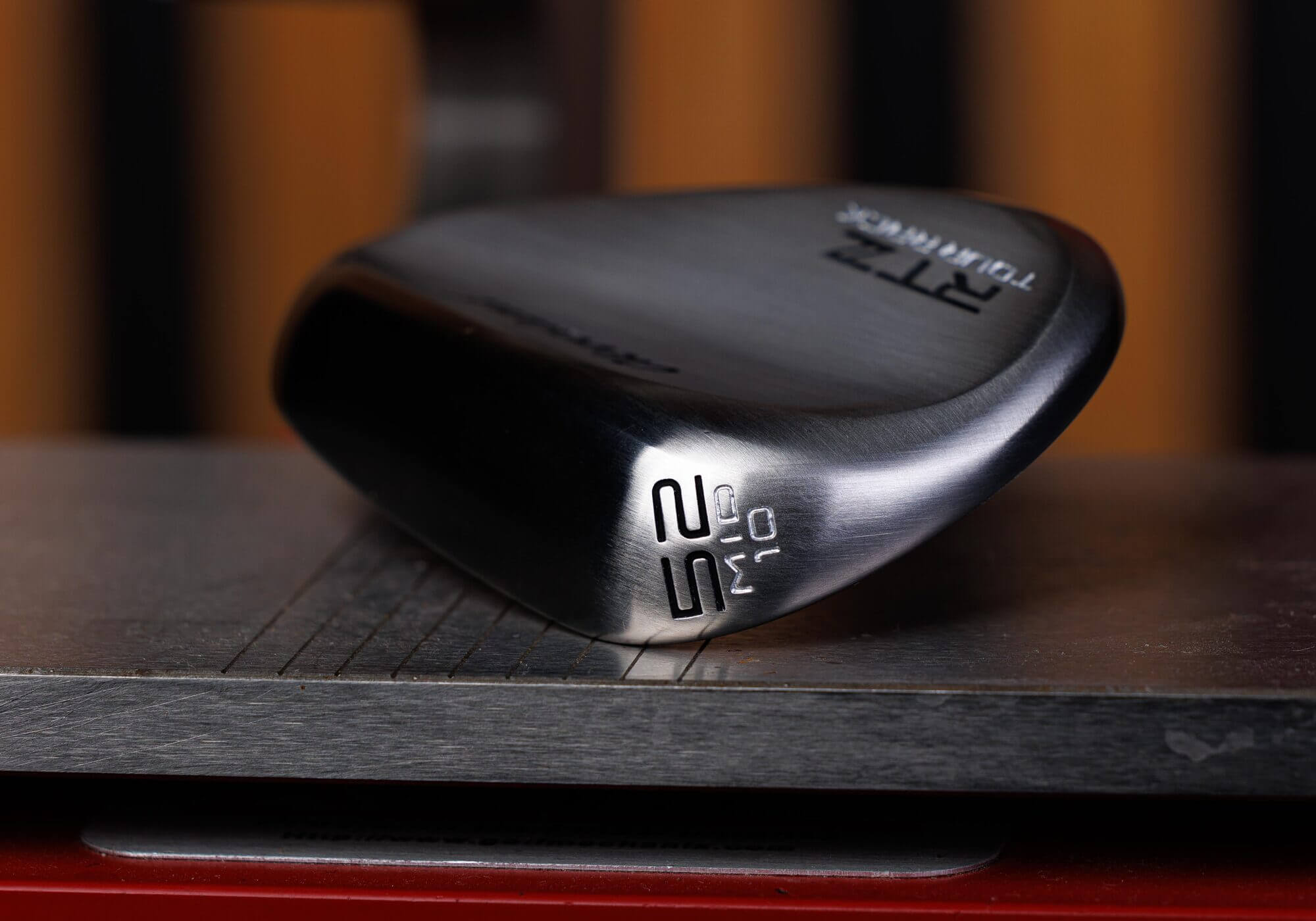
This is going to be a two-parter, friends. Today, we’ll focus on the selection process. Part Two will focus on actual performance as the New England golf season gets going.
We Tried It: Cleveland Wedge Customization, Part One
Today, OEMs are doing a much better job of explaining wedge grinds than they were five years ago. Vokey can take credit for formalizing sole grind education at the retail level but Roger Cleveland is arguably the father of modern wedge sole shaping. That dates back to the iconic 588 Tour Action wedge from the late ‘80s.
Therefore, if you want to learn about wedge grinds and how they impact your short game, it makes sense to go right to the source.

“Technique is important,” Cleveland told me in a fascinating one-on-one interview at the PGA Show in January. “If you’re steep, you need more bounce. Ideally, that’s not the best technique. You want to be wide and shallow with your attack angle. That exposes more bounce and more loft at the same time.”
The old adage that says “Bounce is your friend” is true, he says, if you’re steep. A shallower attack angle makes the sole act as a kind of skid plate.
“It’s more forgiving so you don’t have to be perfect. Nobody’s perfect so you want to use that skid plate to your advantage. When you’re steep, you take it away.”
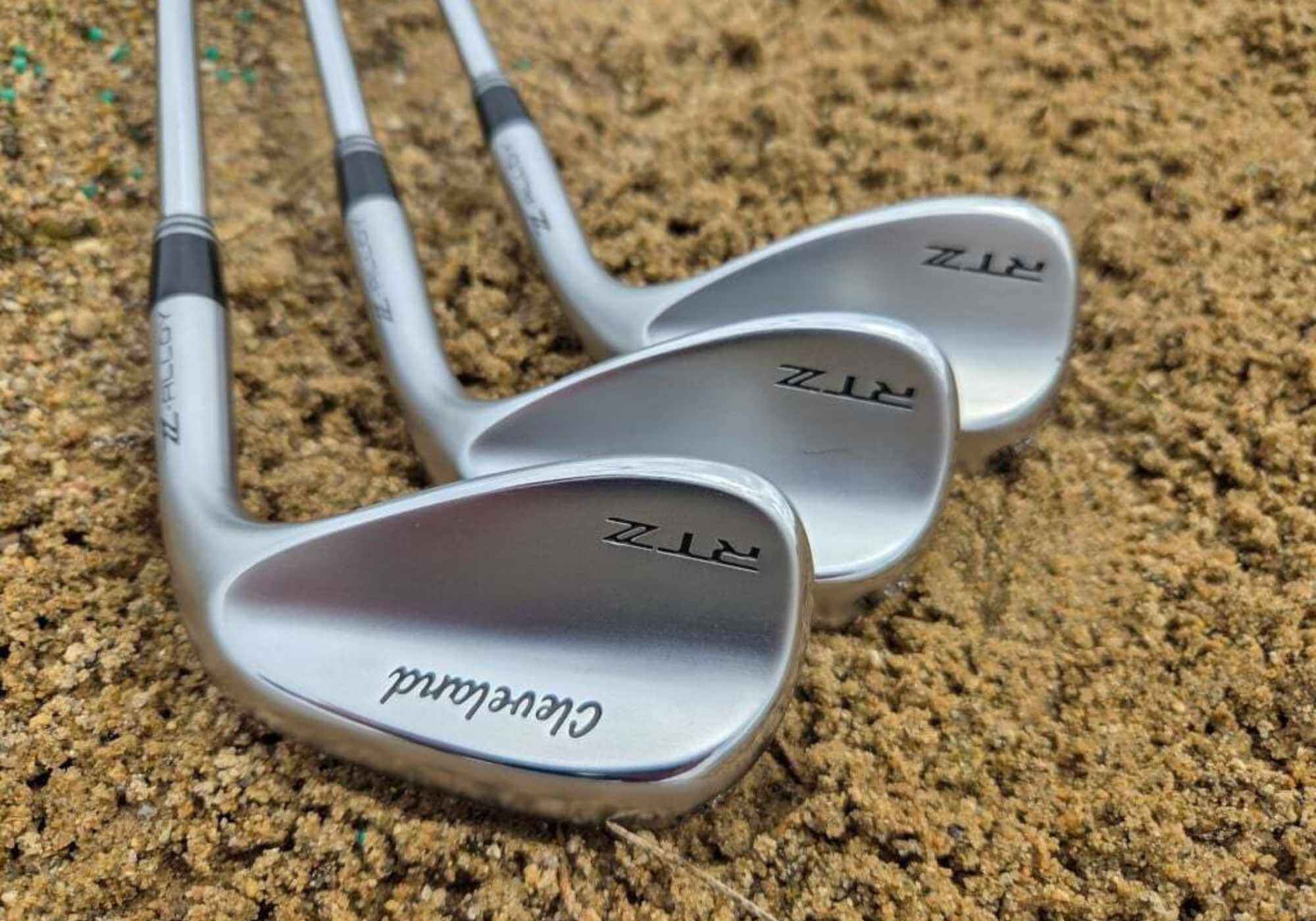
Sand play is a little different because, well, sand can be a little different.
“If the sand is firm, you’ll need less bounce,” Cleveland explains. “If it’s soft, you need more bounce. You’ll dig more in soft sand with less bounce.”
Getting your technique right gives you options but, as Cleveland points out, no one is perfect and none of us are professional golfers. We tend to bring what we bring, which is why OEMs offer different grinds.
An ounce of bounce with a mind to grind
Cleveland wedges come in four basic sole grinds and bounces. Full is the highest bounce (12 degrees) and is for golfers who come in steep and take larger divots. The Full sole option is for the higher lofts (54-60) and best suited for softer conditions.
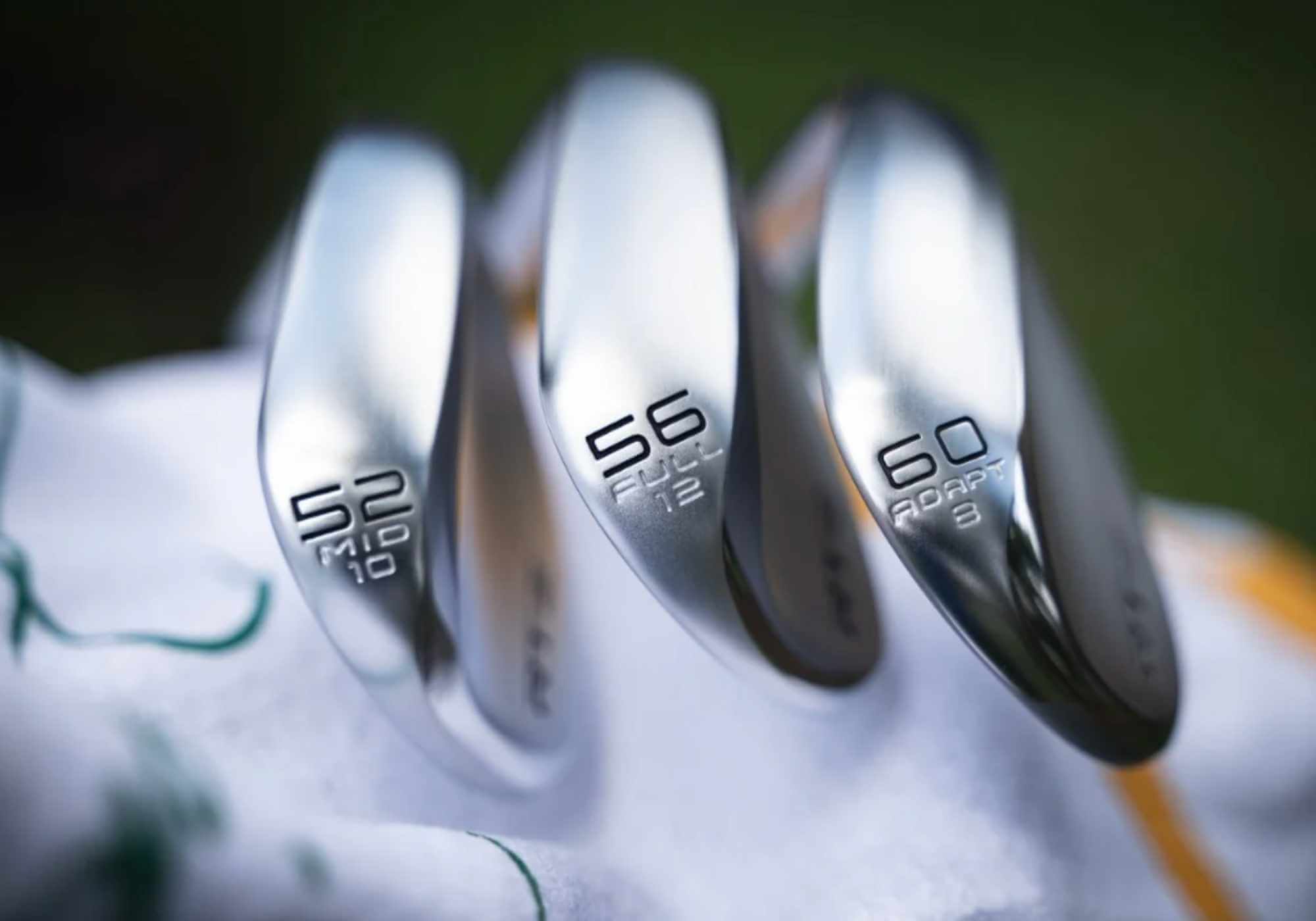
The Mid Sole is the most common and is used in the entire Cleveland RTZ lineup (46-60 degrees in two-degree increments), It’s designed for golfers who take “average” sized divots with a neutral attack angle. It features 10 degrees of sole bounce.
Low is reserved for lob wedges (58-60-62 degrees) and is designed for versatility, finesse and creativity around the green. The C-shaped sole offers additional heel, toe and trailing-edge relief, making it easier to open the face and get in and out of the sand.
Finally, there’s the new Adapt grind with Full Face grooves. This wedge features a high-ish toe and is for total versatility. It offers extra chamfer on the leading edge as well as added heel, toe and trailing-edge relief. Cleveland says it’s for all turf conditions and neutral attack angles. It features eight degrees of bounce and is available in the 54- to 60-degree lofts (in two-degree increments) as well as a 64-degree model.
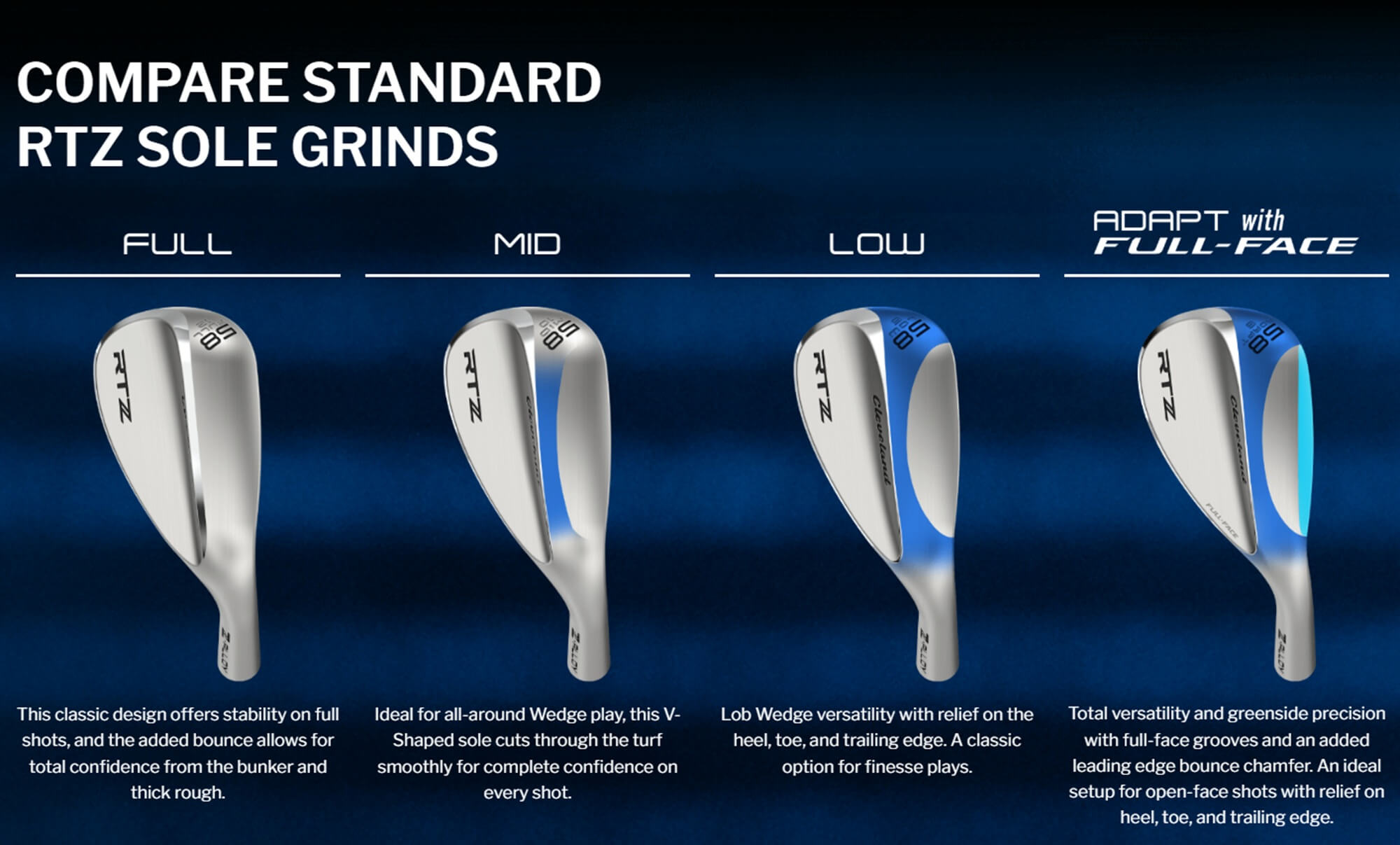
“Typically, when you add heel and toe relief, you’re taking the bounce you had and moving back in the sole,” says Cleveland. “That takes bounce off in the center. That helps you if you’re fairly steep and playing in firm conditions.
“There’s a misconception that the Tour plays a low bounce. They don’t. Their lob wedges are 12 to 14 degrees but manufacturers will show a four-degree bounce on those wedges.”
Cleveland’s Tour Rack custom grinds
All of the sole grinds listed above are stock throughout the Cleveland RTZ line. However, the Tour Rack models feature a Raw finish (which won’t rust, thanks to Cleveland’s proprietary Z-Alloy material), and those soles can be customized to meet your specific needs.
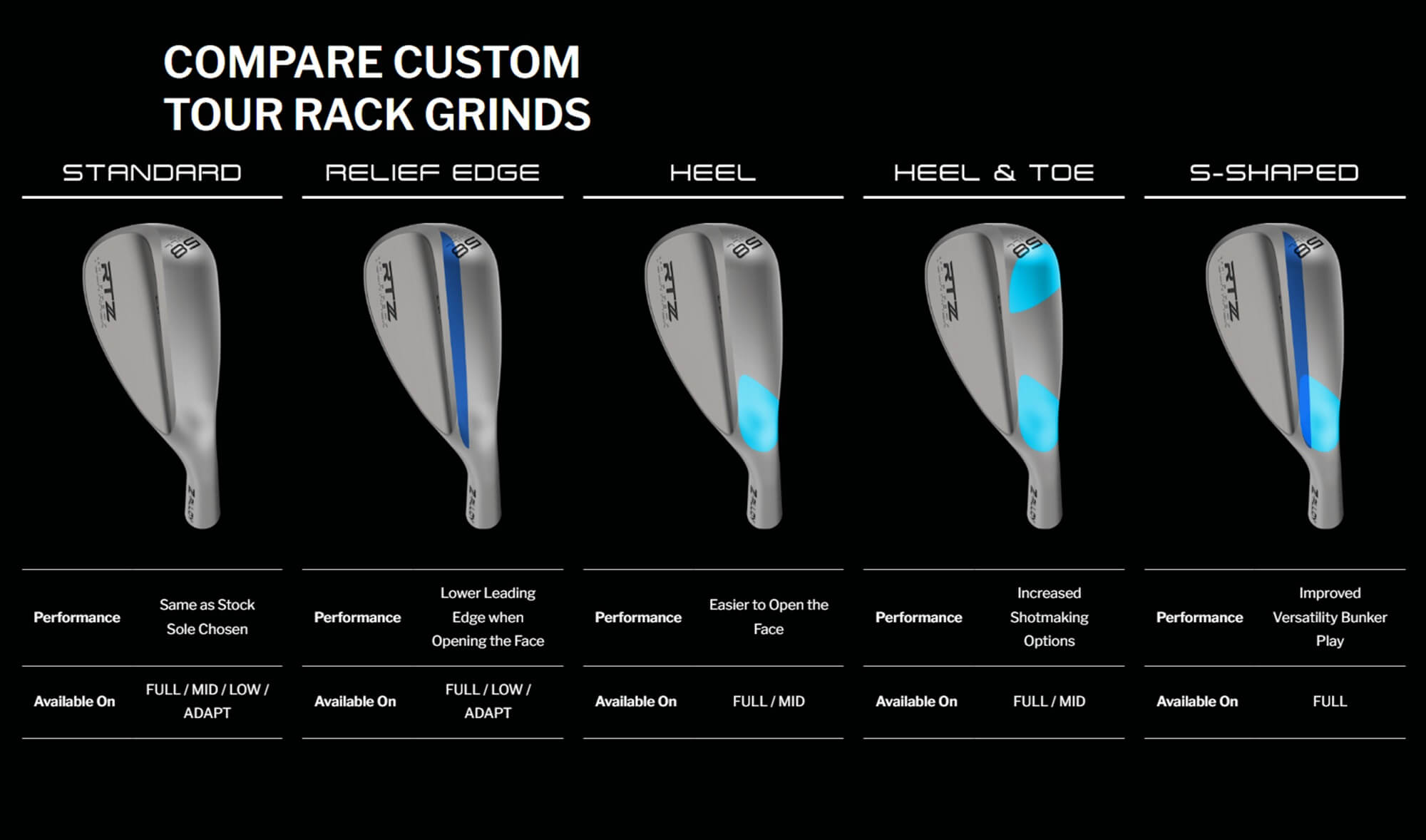
The menu includes:
Trailing-edge relief
- Extra relief on the back of the sole
- Lowers the leading edge when opening the face
- Available on Full, Low and Adapt grinds
- No need on MID, which already has trailing-edge relief
Heel relief
- Material removed from the heel area
- Easier to open the face
- Available on Full and Mid grinds
- Adapt already has it, Low doesn’t need it
Heel and toe relief
- Adds some toe relief for increased shot-making options
- Available on Full and Mid grinds
S-Shape relief
- Heel and trailing-edge relief
- Improved performance and versatility in bunkers
- Available for Full grind only
Additionally,Cleveland offers customized leading-edge grinds. The standard leading edge is designed to be the most versatile. If you play in firmer conditions and have a shallow angle of attack, you can get the leading edge sharpened. If you’re steeper or play in softer conditions, you can order a rounded leading edge.
With all these choices, how the heck is a golfer to choose?
“To me, the most critical wedge in the bag to get right is your highest-lofted one,” says Cleveland. “Get some advice before you order anything. A good teacher or coach can point you in the right direction.”
And that, friends, is exactly what I did.
Getting fitted and “customized”
I think we can all agree that 110 yards and in is make-or-break territory for our scores.
Study after study, however, shows the clubs we use for those critical shots – our wedges and putter – are the two we are least likely to be fitted for. That can wind up costing us anywhere from three to six strokes per round. Half of that is the result of ill-fitted wedges.
Symptoms of ill-fitted wedges include poor turf interaction, excessive digging or bouncing, inconsistent launch and spin and misses long and short. Yes, friends, practice and lessons will help, but the best house framers will tell you that a 28-ounce straight claw hammer with a milled face and an 18-inch hammer is a better tool for the job than a Stubby Ball-Peen.
So, what kind of short-game hammers did I need? For that, I turned to my trusted fitter, Steve Thomson of Golftec in Danvers, Mass.
“I’d prefer fitting you outside but that’s hard to do this time of year in New England,” he told me. “But even indoors with a mat, we can see angle of attack, club speeds, ball speeds and spin rates. That’ll get us pretty darned close.
“I can’t put grass in the way of the face but we’ll do the best we can.”
Building the arsenal
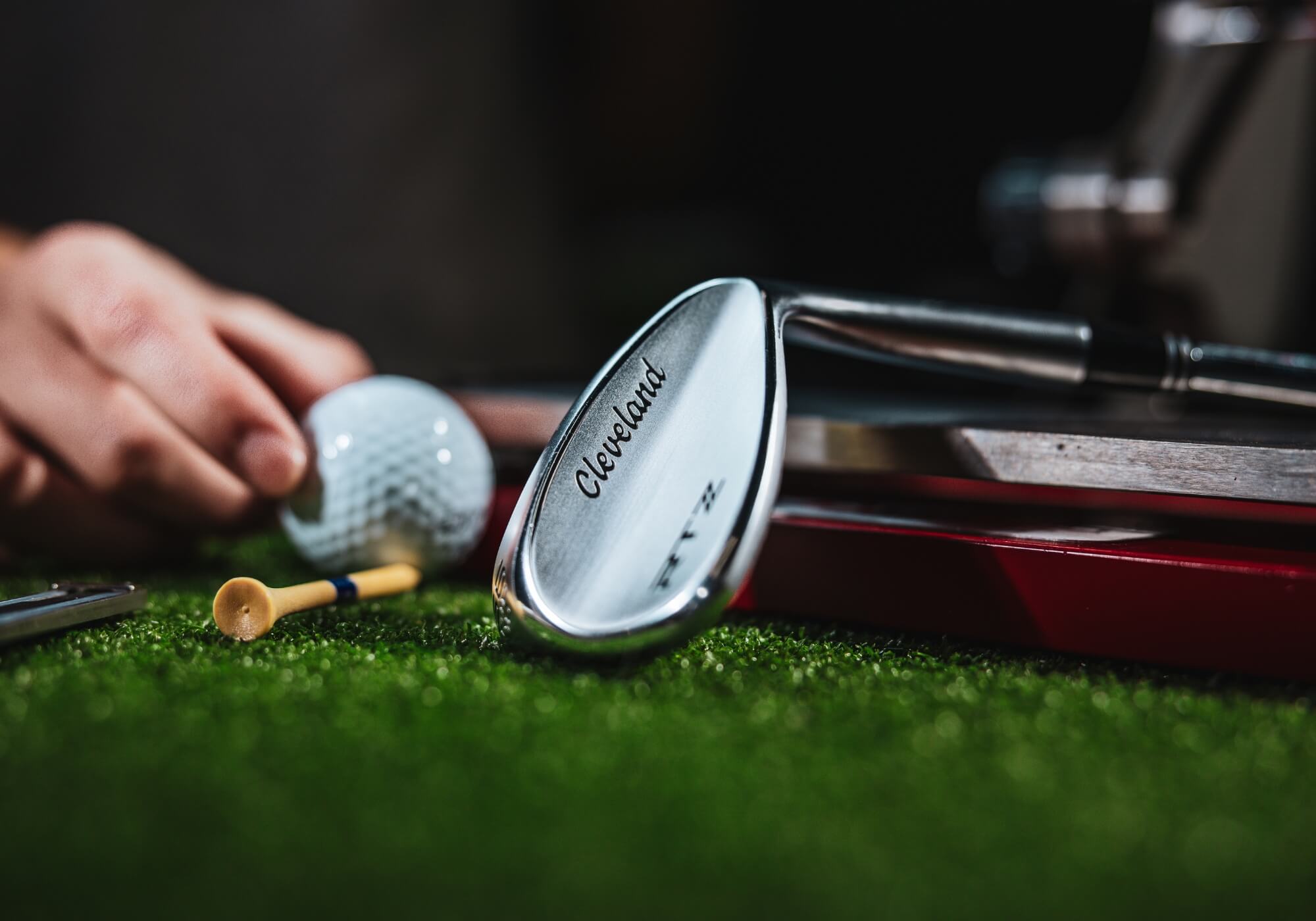
Gapping with the 46-degree pitching wedge in my gamer set was key so we settled on a 50/54/58-degree loft makeup, two degrees flat (more on that later).
“Based on the shots you play and ground conditions, we want you in some front-end release and some heel relief,” Thomson explains. “You’re learning to hit these lower and spinnier shots so we don’t want a lot of bounce.”
We went with the Mid bounce sole option for the 50 and 54 which are used almost exclusively for full shots (I’ll occasionally pitch with the 54). Neither needed a custom sole grind but we did go with the sharper leading edge as I tend to have a shallow angle of attack.
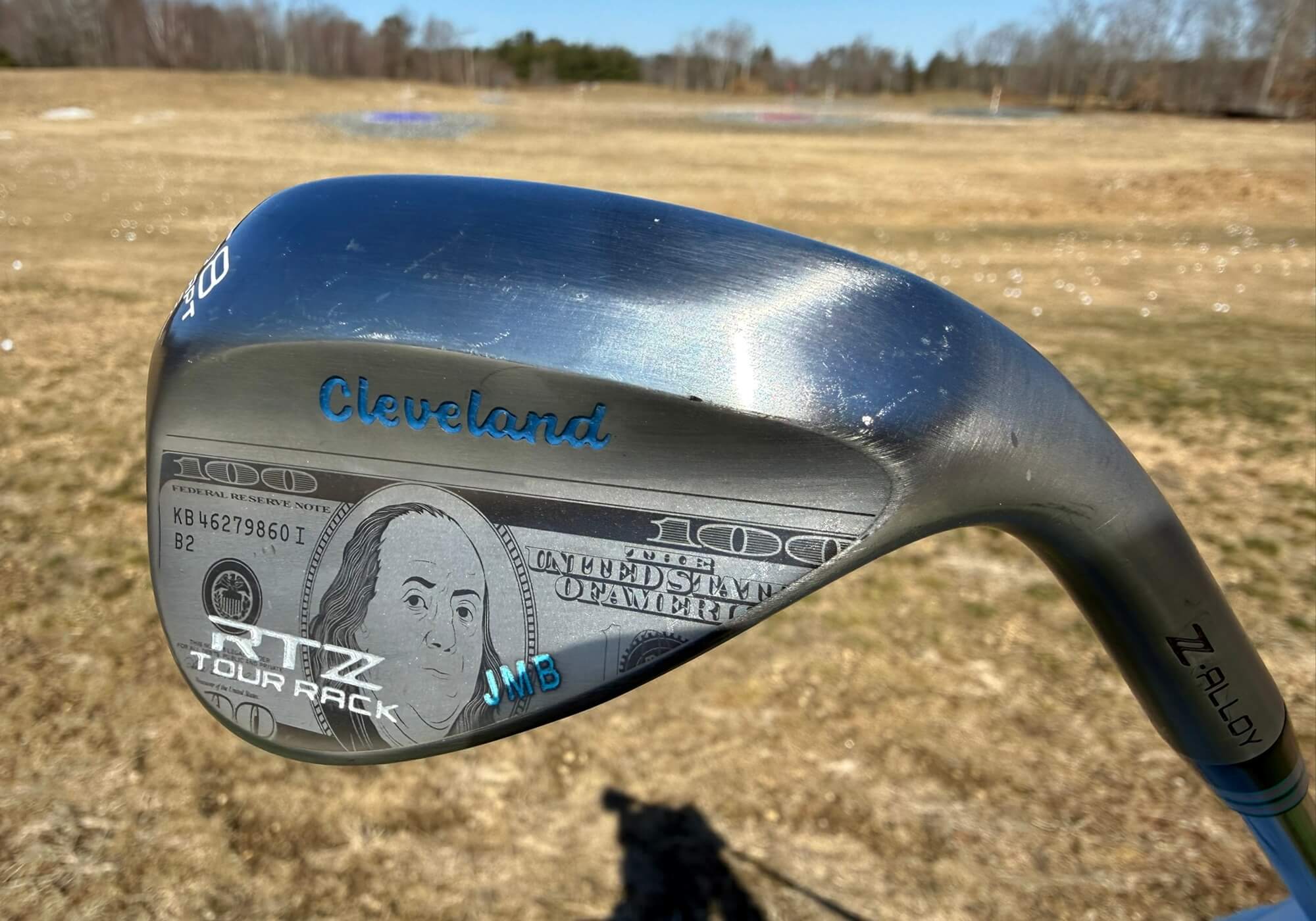
The 58-degree was where the fun started. We chose the Adapt grind with Full Face grooves. I use it in bunkers and around the green mostly, with the occasional full shot thrown in for good measure. We chose to add the S-Shaped custom sole grind which provides extra heel and trailing-edge relief for extra versatility and help in bunkers.
That advice from Thomson echoed Roger Cleveland’s sentiment on bunker play.
“Get a wide stance and get further away from the ball,” he says. “That gives you more room to release the clubhead down into the sand. You want to feel like the trailing edge is the first contact point in the sand about two or three inches behind the ball.”
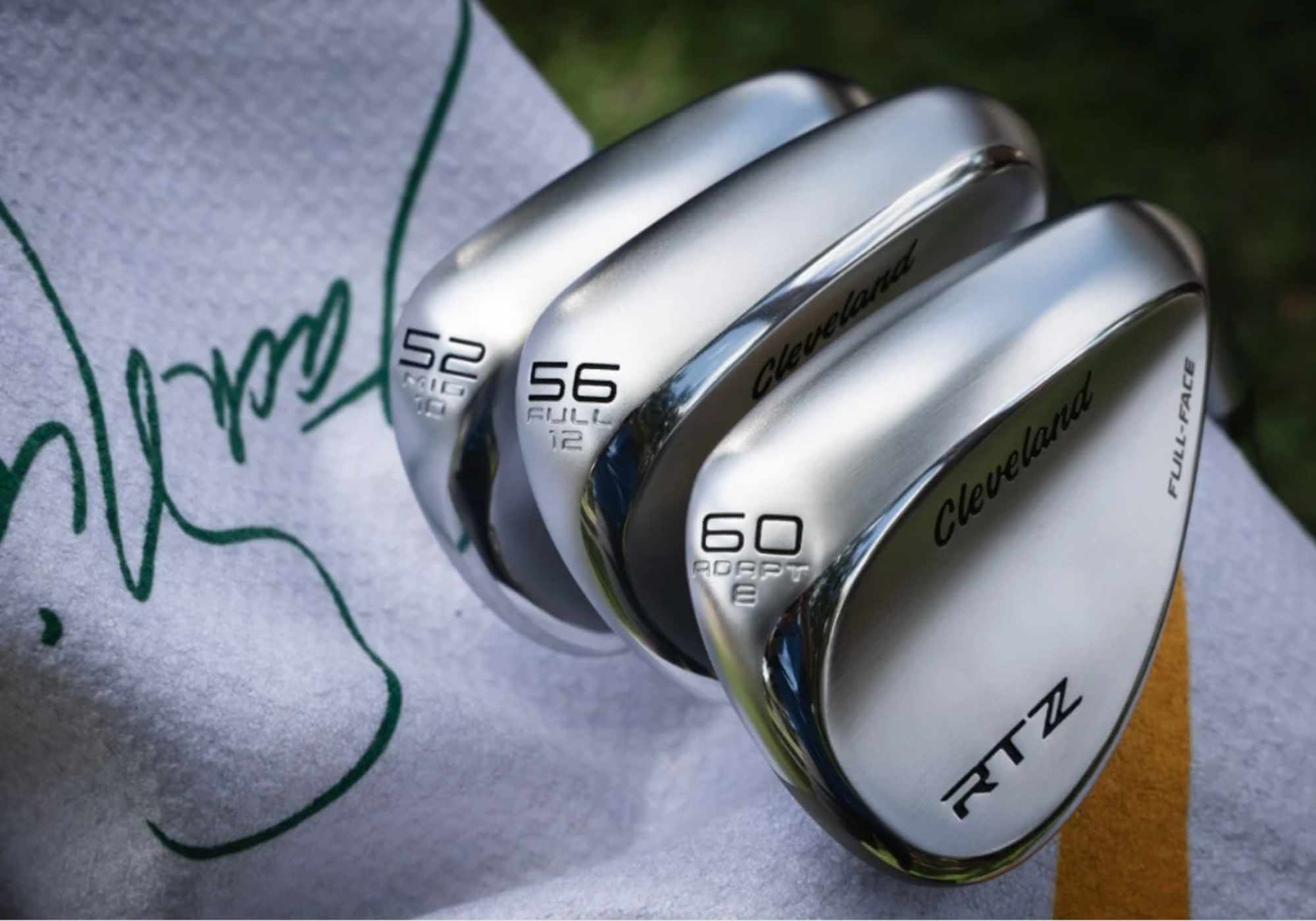
So, what did we wind up with?
Cleveland’s Wedge Customization Program applies to the raw Tour Rack wedges only. Since they’re raw, it’s easy to grind the sole and leading edge. Interestingly, the raw wedges are $20 more than Cleveland’s Black Satin or Tour Satin wedges ($199 vs $179).
On the surface, that makes no sense. Dig a little deeper and you’ll find there is a reason. Tour Rack isn’t simply the same wedge as the others, just without finish. It has to be made in a completely different mold. Since the Tour Rack has no finish at all, its mold is actually slightly larger so the finished product comes out to be the same size. And, since fewer Tour Rack wedges are actually produced, that additional mold cost is amortized over fewer units.
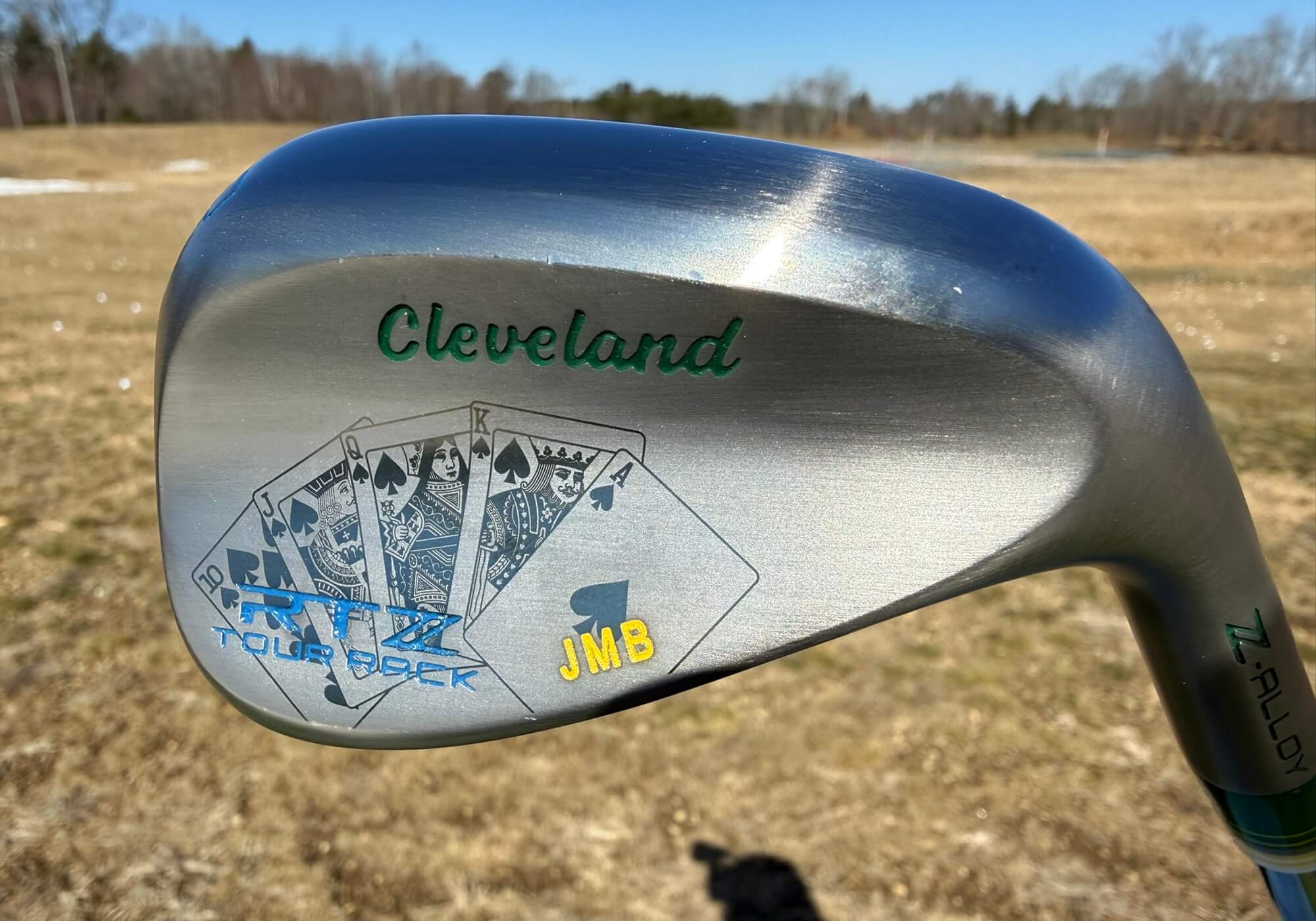
After getting the wedge master class from Roger Cleveland, a fitting session with Steve Thomson and reviewing the detailed info on Cleveland’s website, here’s what we did:
- 50- and 54-degree models in Mid: used mostly for full shots
- 58 in the Adapt grind: used in bunkers and around the green
We went with the custom S-Shaped sole grind in the 58. The extra heel and toe relief makes it more versatile around the green. Thomson also suggested, since I tend toward shallow, to add trailing-edge relief to each wedge for better turf interaction and better bunker performance for the 58.
We also chose the sharper leading edge for each wedge due to my shallow angle of attack.
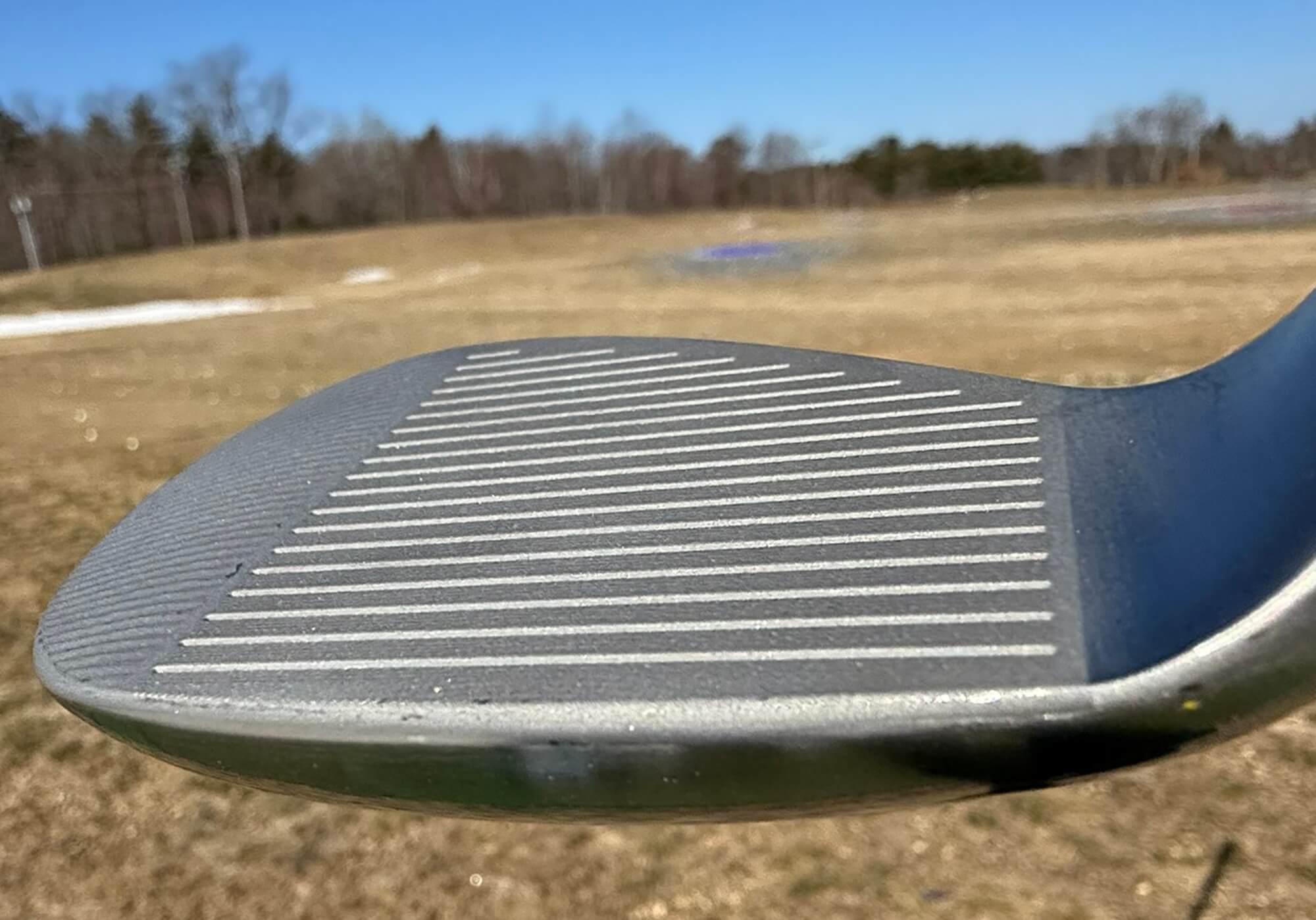
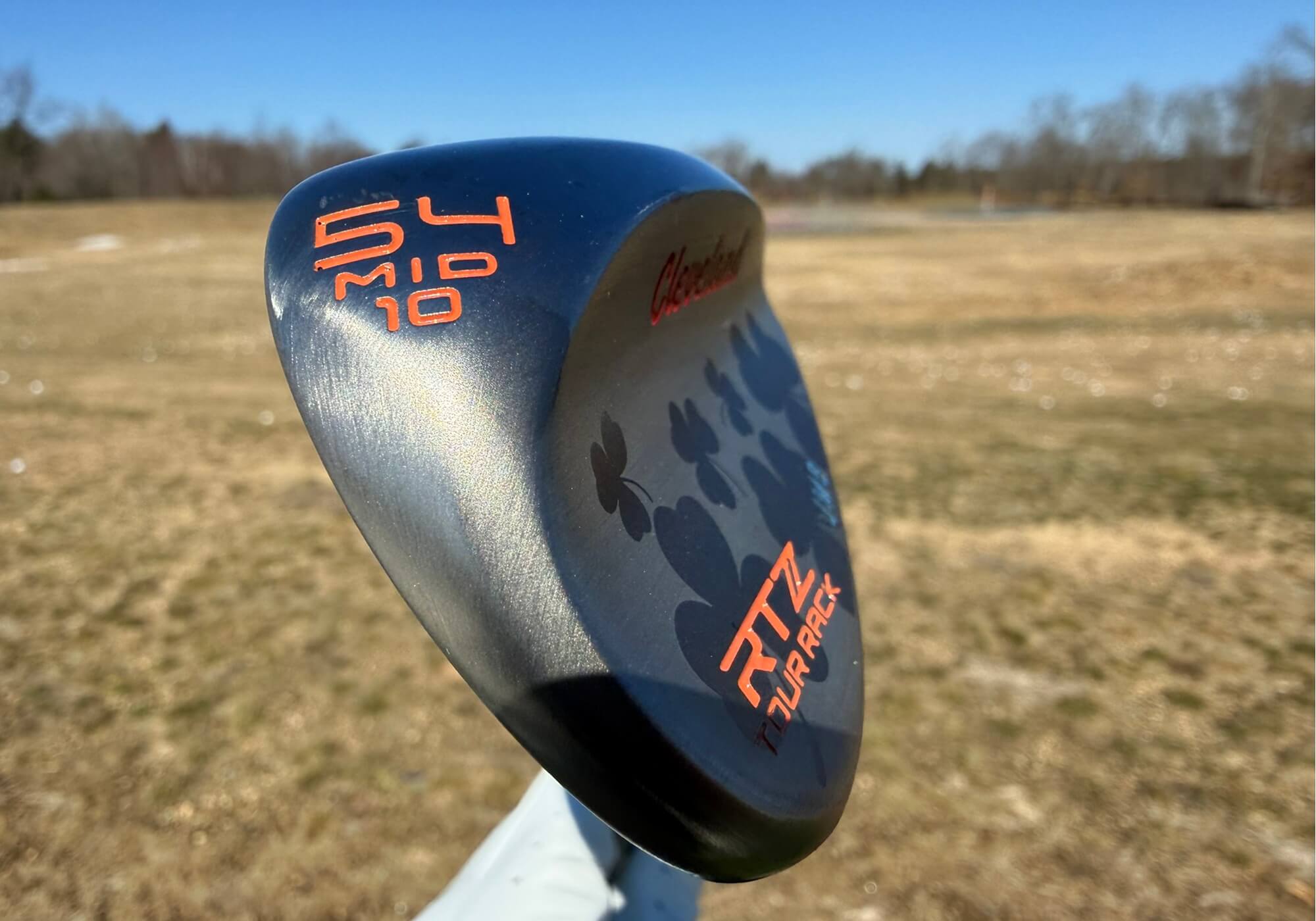
And, as you can see from the images, I did go a little crazy with the personalization.
Part One Takeaways
As mentioned, this story will be a two-parter. I’ve only had one early-season round with these wedges (the bunkers still had snow in them!). I do want to share some on-course observations with you and that will come in about a month or so once I have more rounds in the books.
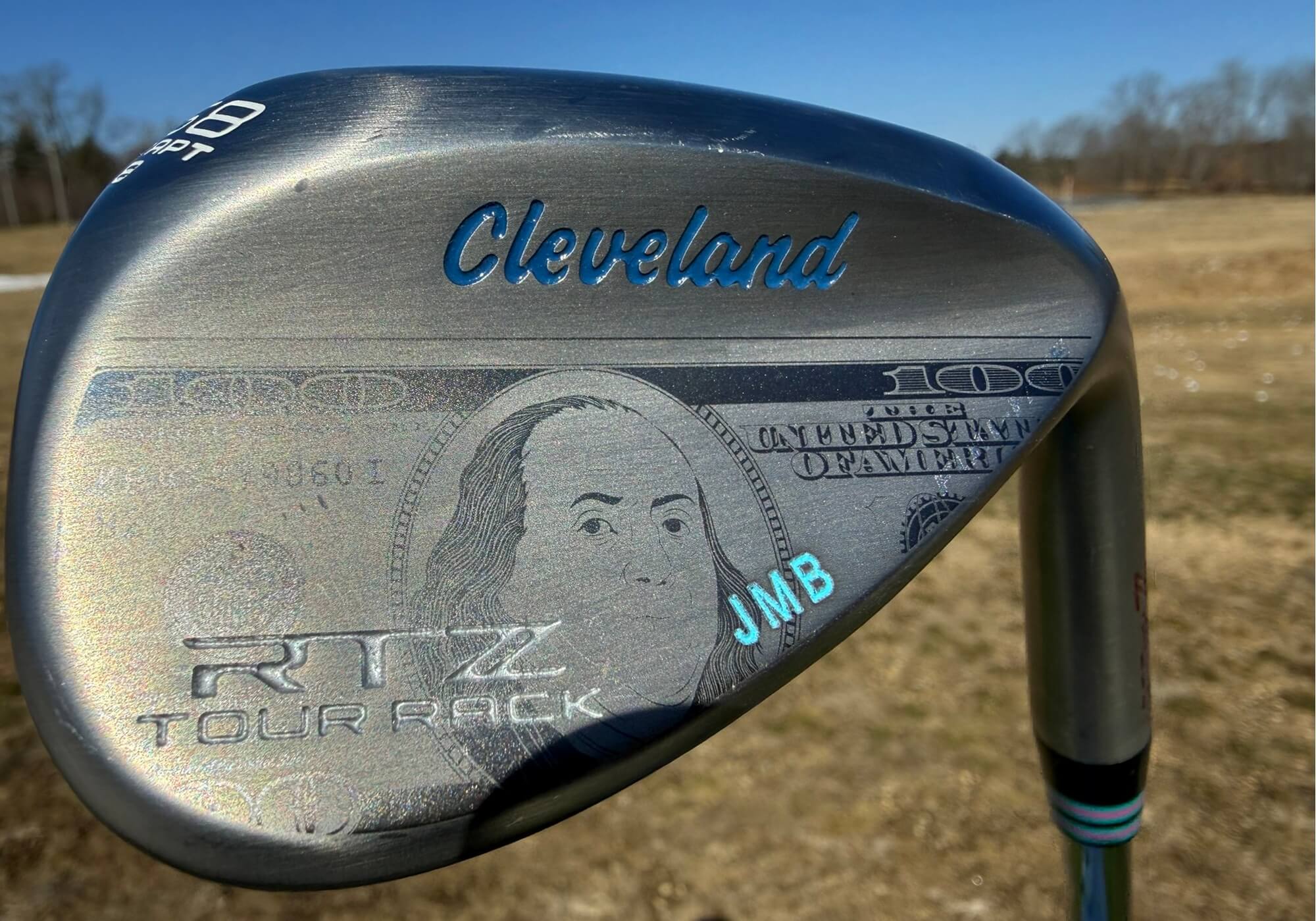
However, we can share a few takeaways with you.
- Before buying wedges, get some guidance from a good teacher or coach.
- Failing that, virtually every OEM has a wedge fitting tool on their website.
- Cleveland has an RTZ Set Builder tool online, which lays out the option in simple terms.
- Bounce is your friend if you’re steep.
- If nothing else, get your highest-lofted wedge right.
The post Confused By Wedge Grinds? Cleveland’s Customization Program Can Help appeared first on MyGolfSpy.
Article Link: https://mygolfspy.com/news-opinion/confused-by-wedge-grinds-clevelands-customization-program-can-help/