
I learn something every time I’ve gone through a golf fitting. Sometimes, it’s my swing. Sometimes, it’s my equipment.
If you’re in a position to learn everything before you walk through the doors of a fitting studio, it helps to have at least a basic understanding of what matters and why. Knowing a few key terms makes it easier to follow what’s happening, ask better questions and end up with clubs that make sense for your game and your budget.
I’ve pulled together some of the most important golf club fitting terms, organized by club category, so you can focus on what actually helps your performance instead of getting lost in the data.
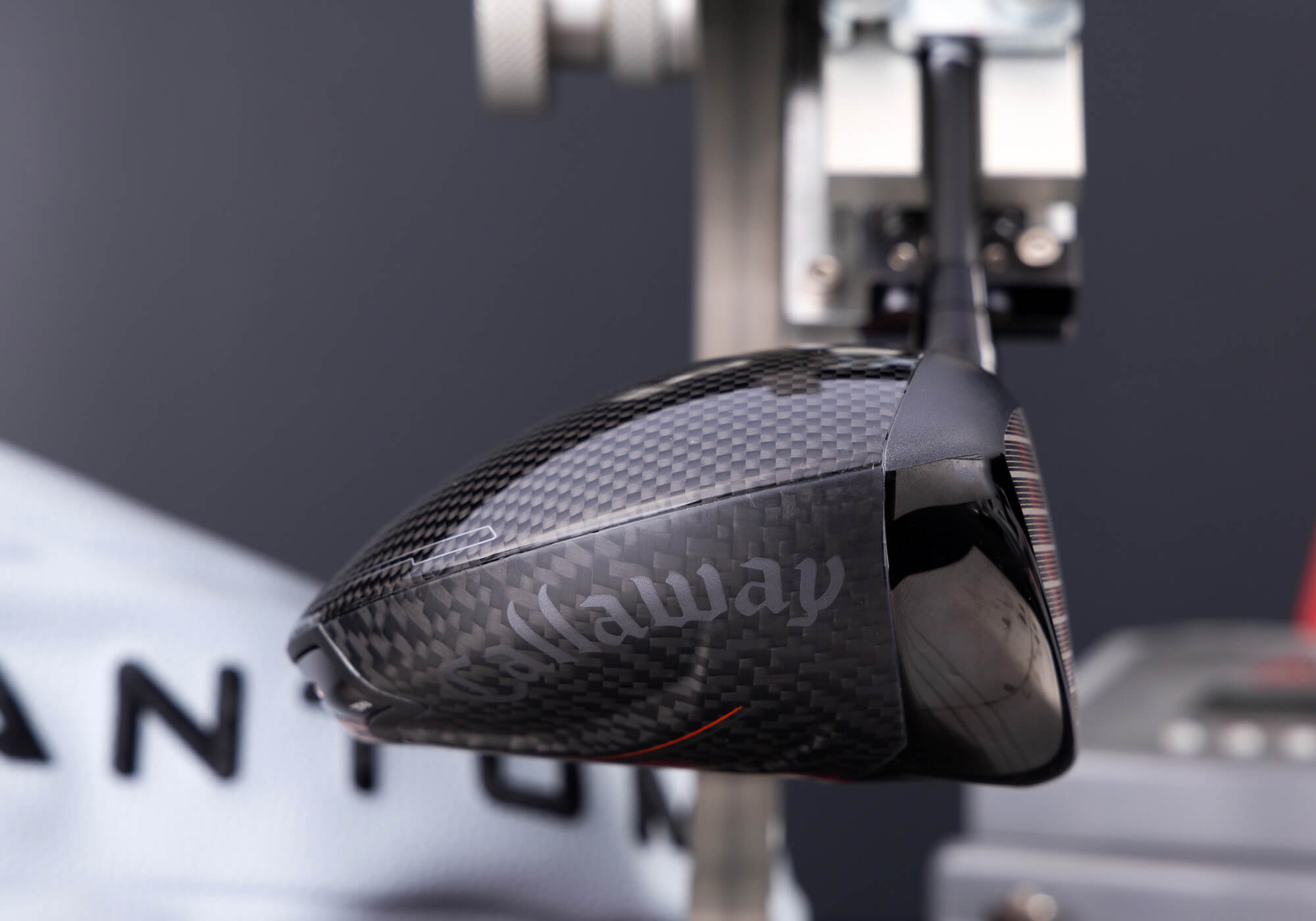
Driver and fairway woods: Why total distance is not the whole story
When most golfers test drivers and fairway woods, the first thing they look at is total yards. That’s understandable but there’s a lot more to it.
Distance alone does not tell you if a club fits your swing. Launch conditions, spin, strike location and dispersion all play a role in whether a driver or fairway wood is helping you hit better shots or just longer misses. A good fitting looks at how the ball flies, where it lands and how often you can reproduce the result.
Key driver and fairway wood fitting terms
- Launch angle – The initial angle the ball leaves the clubface. Launch is often similar across clubs, even when the flight looks very different.
- Spin rate – How much backspin the ball has. Too much or too little can cost carry, control or consistency. The driver will have a different ideal spin rate than an iron or a wedge.
- Peak height – The highest point of the ball’s flight. This helps explain why two shots with similar launch can fly very differently.
- Descent angle – How steeply the ball comes down and falls from the sky. The descent angle affects rollout and playability.
- Attack angle – Whether the club is moving up or down at impact. This heavily influences launch and spin with woods.
- Dynamic loft – The loft delivered at impact, not the number printed on the head.
- Strike location – Where the ball contacts the face. This can change speed, spin and direction more than many golfers realize.
- Dispersion – The overall width of your shot pattern, not just how far left or right the average miss is.
- Shaft weight and profile – These influence timing, strike consistency and face control.
Irons: consistency, gapping and control
Iron fittings are all about creating predictable distances, playable trajectories and tighter dispersion across the set.
A good iron fitting focuses on repeatability, usable distances and consistent landing angles from club to club. You’ll also want to pay close attention to gapping and what the fitter’s plans are for that throughout your set.
Key iron fitting terms
- Lie angle – The angle between the shaft and the sole. Lie angle influences start direction and directional consistency. In a fitting, lie angle is one of the easiest adjustments to make and is often tweaked based on where the ball starts and how the sole contacts the turf. Right-handed golfers who tend to miss left may be fitted into a slightly flatter lie while golfers who miss right may benefit from a more upright setup.
- Loft – Determines distance and gapping. Stronger is not always better if it creates flight issues.
- Dynamic loft – The loft delivered at impact, not the number on the club. Dynamic loft influences launch, spin and peak height and often explains why two golfers hit the same iron very differently.
- Carry distance – How far the ball flies in the air. This matters more than total distance for approach shots.
- Descent angle – How steeply the ball comes down toward the green. This affects stopping power and green-holding ability.
- Spin consistency – Stable spin from shot to shot helps control distance and trajectory.
- Shaft weight – Heavier or lighter shafts can change strike pattern, tempo and timing.
- Shaft profile – How the shaft loads and unloads through the swing, affecting feel, timing and clubhead delivery. Two shafts with the same flex and weight can produce very different results depending on where they are stiffer or softer.
- Set makeup – Which irons you carry and where the set starts and ends.
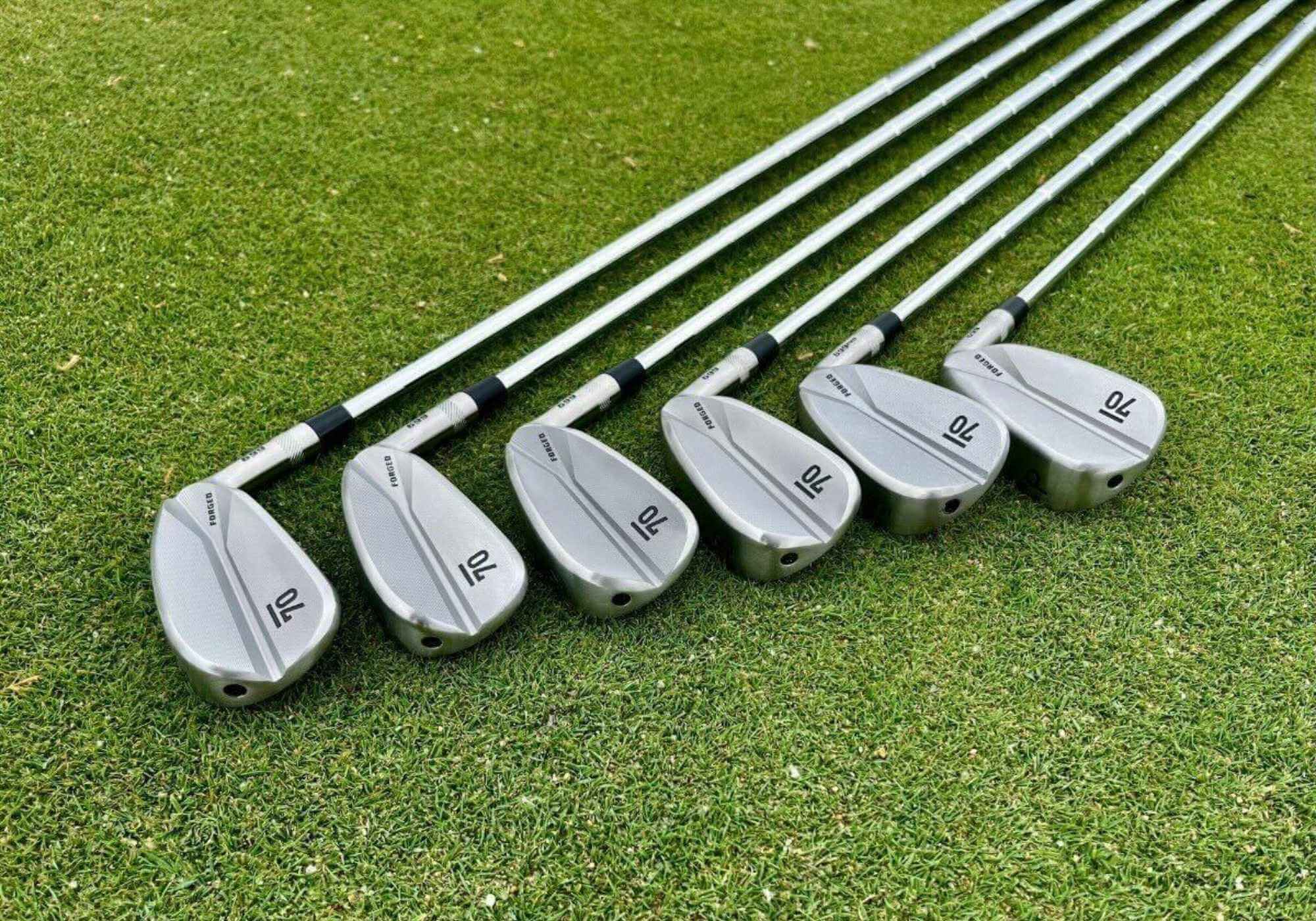
Wedges: Turf interaction and scoring shots
Wedge fittings are often overlooked. This is where understanding the basics can save strokes.
The right wedge setup depends on how you deliver the club, the turf you play on and how you use your wedges around the green.
Key wedge fitting terms
- Loft gapping – Proper spacing between wedge lofts.
- Bounce – The angle that helps the club interact with the turf. Higher bounce generally offers more forgiveness by preventing the club from digging, while lower bounce allows the leading edge to sit closer to the ground and can work better on tight lies or for golfers with a shallower delivery.
- Grind – The shaping of the wedge sole (especially the heel, toe and trailing edge). Grind affects how the club sits at address and how the sole moves through the turf when you open the face or lean the shaft.
- Spin rate – Influences how the ball reacts on the green, especially on partial shots. In a fitting, the goal is predictable spin from shot to shot rather than chasing the highest number.
Putters: Start line and consistency
Putter fittings tend to feel simpler but small changes can have a big effect on start line and confidence.
Key putter fitting terms
- Length – Influences posture, eye position and where the putter bottoms out during the stroke.
- Lie angle – Affects how the face aims at impact. If the toe or heel is raised, it can subtly change start direction.
- Loft – Helps the ball transition from skid to roll. The right amount depends on how much shaft lean and angle of delivery.
- Face angle at impact – Where the putter face is pointing when the ball is struck. This is the biggest factor in initial start direction.
- Putter path – The direction the putter travels through the hitting area. Path works together with face angle to influence where the ball starts.
- Face-to-path relationship – How the face and path align at impact. This helps explain why some golfers aim straight but still miss left or right.
- Toe hang – Describes how the putter head balances and tends to move during the stroke. Different designs suit different stroke patterns.
- Alignment features – Lines, shapes and visuals that influence aim and confidence at address.
- Head weight and stability – Affects tempo and how well the putter resists twisting on off-center strikes.
Why knowing these terms before a fitting matters
When you understand the basic terms and what they influence, you can follow the process, ask better questions and make sense of why a recommendation changes. I came across this video recently, where a golfer went to three fittings with three different recommendations for clubs. His understanding of club fitting terminology, shaft characteristics and ball flight helped him narrow down what was best for his game.
Final thoughts
A golf fitting should help you make smarter decisions, not leave you guessing. You don’t need to understand every number on the screen but knowing a few key terms makes it easier to follow what’s happening and why a recommendation changes.
The post Golf Club Fitting Terms Explained appeared first on MyGolfSpy.
Article Link: https://mygolfspy.com/news-opinion/instruction/golf-club-fitting-terms-explained/