
I grew up as a public golf course kid and getting to play somewhere new always felt like a special day. Frankly, it still does.
I’ve always felt that course design and conditions were the two things I remembered most after playing somewhere new, whether the experience was good or bad.
But after reading the 2026 Golf Business Pulse Report from the National Golf Course Owners Association (NGCOA), I started wondering whether there’s more to what makes us enjoy a course and want to come back.
The report looks at what course owners and operators believe matters most to golfers. Some of their answers lined up with what I’ve always valued. Others made me wonder whether golf courses and the golfers paying to play them are really on the same page.
What do golf course operators think matters most?
The NGCOA surveyed more than 200 golf facility owners and operators for its 2026 report. One section asked them to evaluate the importance of different elements of the golfer experience.
Here are the six factors highlighted in the report and the percentage of operators who rated each one as very important.
| Factor | Very important |
|---|---|
| Course conditioning | 95% |
| Physical beauty and aesthetics | 88% |
| Pace of play | 81% |
| Welcoming attitude toward women | 81% |
| Cost/value | 79% |
| Welcoming culture and programming | 73% |
Source: 2026 NGCOA Golf Business Pulse Report
These aren’t rankings from golfers themselves. They’re the opinions of the people operating the courses we play.
Course conditioning (95%)
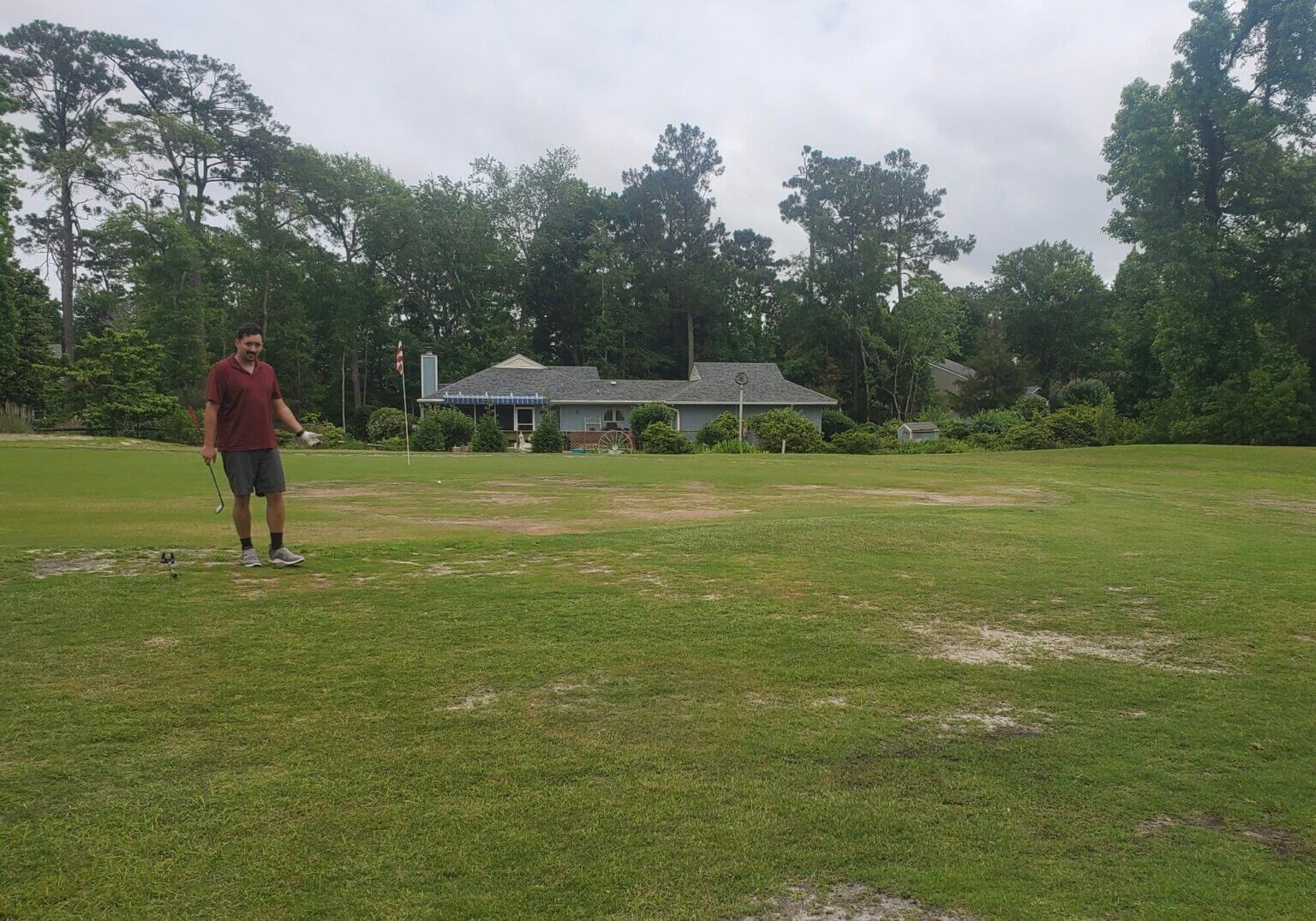
This one doesn’t surprise me. I’ve played courses with layouts I loved but conditions that made it difficult to appreciate the design.
Course conditioning doesn’t have to mean perfection, either. I’ve played affordable public courses that were far from pristine but maintained the areas that mattered most.
I recently spoke with Jay Karen, CEO of the NGCOA, about the report. He made an interesting point: sometimes golfers aren’t necessarily looking for something exceptional. They’re looking for the absence of something bad.
Karen compared it to the hotel industry. You can have great amenities, excellent service and wonderful food but one unpleasant detail in the room (like a hair in the bathtub) can change how you remember the entire stay.
The same applies to golf. As Karen put it, “Did you see those greens? They were horrible. Horrible. Nothing else matters.”
Physical beauty and aesthetics (88%)
This was one of the more interesting findings. In 2023, 77 percent of operators rated physical beauty and aesthetics as very important. That’s climbed to 88 percent.
I think there’s more to this than golfers wanting neatly manicured fairways.
Golf has always been an opportunity to get outside but I wonder if that has become even more valuable as people look for ways to escape the chaos of everyday life.
A course with coastal views, mountain scenery or even a few memorable holes surrounded by natural beauty offers something beyond golf itself.
Picked for you, based on this story
 News & Opinion
The 10 Worst Golf Courses in America
These 10 courses show exactly what happens when conditioning and pace of play collapse.
Read story → Feature
Best Muni in Every State
Bethpage Black charges as little as $44 for residents, proving world-class public golf can still be a value.
Read story → News & Opinion
Why Slower Green Speeds Are Better
Most golfers prefer smooth and consistent greens over fast ones, and the data backs them up.
Read story →Pace of play (81%)
I was recently talking with a friend with whom I played college golf. We both grew up in New York and the conversation turned to playing six-hour rounds at Bethpage State Park when we were kids.
Bethpage was fairly priced and, with multiple courses, there were opportunities to get out. But you had to be prepared for a serious time commitment.
I’m not suggesting every round at Bethpage took six hours but we certainly experienced some that did.
I loathe slow golf and I think some of that comes from those early experiences. Over the years, I’ve become a fast player, almost to a fault.
I’m not expecting every round to take three hours but if I know a course regularly takes five or six hours, I’ll have a hard time going back. There’s simply no reason for it.
A welcoming attitude toward women (81%)
This is probably a topic for an entirely separate article.
I’ve spent more than 30 years playing golf and working in the industry.
The intimidation factor for women who are new to golf can be incredibly high. Before even reaching the first tee, they’re already worrying about whether they’re good enough, whether they’ll hold someone up or whether they even belong there.
I’ve seen courses do a great job of making women feel comfortable. I’ve also seen how much work there is left to do.
Karen made an interesting point about representation. Walk into many golf clubhouses and you’ll see photos of Jack Nicklaus, Arnold Palmer and Tiger Woods. But how often do you see Peggy Kirk Bell or Kathy Whitworth?
It’s a small detail but it sends a message about who belongs.
Creating a welcoming environment isn’t necessarily about treating everyone exactly the same. Different golfers need different things to feel comfortable and sometimes it’s about removing the little things that make someone question whether they should be there.
Cost and value (79%)
This one surprised me a little, especially because it ranked behind physical beauty and aesthetics.
The same NGCOA report found that 78 percent of operators are concerned golf is becoming too expensive. It also found that 90 percent of facilities raised rates last year.
To me, value isn’t necessarily about finding the cheapest round. I’ve played inexpensive courses that weren’t worth the money and more expensive ones that I’d happily pay to play again.
But when green fees increase, so do expectations. If I’m paying more, I want to feel like the experience justifies the price.
I wonder whether golfers would place cost and value higher than fifth on this list.
Welcoming culture and programming (73%)
This one ties into something Karen emphasized during our conversation: golfers want to feel comfortable at the places they play.
It’s not always about having the friendliest staff or the most elaborate events calendar. Sometimes, it’s as simple as having someone acknowledge you when you arrive, answer a question or make you feel like you’re supposed to be there.
I also think there’s a difference between visiting a course once and becoming a regular. A welcoming environment may not be the first thing you notice on a new course but it can certainly influence whether you decide this is a place where you could become a regular.
Are course operators and golfers on the same page?
I agree with much of what operators identified as important. Course conditioning, pace of play and value would all be high on my list.
But I also think course design deserves more attention. It’s one of the biggest things I remember after playing somewhere new, yet it isn’t a separate factor in these rankings.
The other thing that stood out to me is that many of these priorities are connected. A beautiful golf course with poor conditions isn’t especially appealing. Neither is a fairly priced course that takes six hours to play.
A course doesn’t have to be perfect to become one of your favorites. But it needs to get enough of these things right.
Now I’m curious whether golfers would rank these six factors the same way the operators did.
What matters most to you when choosing a golf course, and what’s the one thing that would keep you from coming back?
The post Golf Course Operators Think They Know What Golfers Want. Do They? appeared first on MyGolfSpy.
Article Link: https://mygolfspy.com/news-opinion/golf-course-operators-think-they-know-what-golfers-want-do-they/