
Welcome back, my friends, to the show that never ends. We’re talking, of course, about your favorite MyGolfSpy Feature: History’s Mysteries.
(I’ll admit it’s my own poll of maybe six people, but a poll is a poll.)
Today’s topic is, I believe, the most influential decade in golf history, the 1990s. Yes, Tiger is a given, but the ‘90s completely reshuffled, reimagined and rebuilt the entire industry. Innovations came fast and furious, led by new OEMs that pushed the old guard to the sidelines.
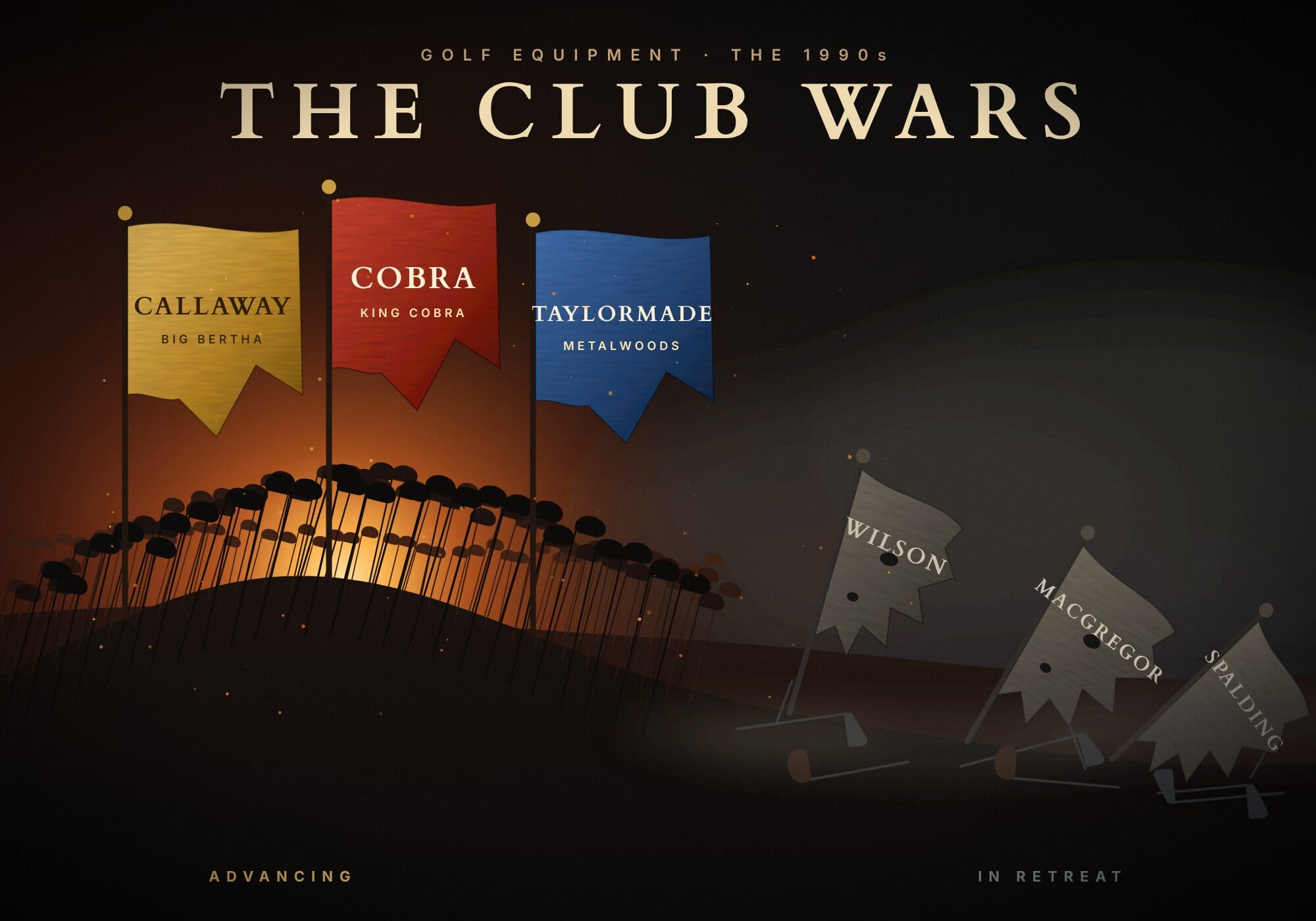
Those that thrived in the ‘90s shared a similar mindset: They made clubs that golfers wanted to buy. Those that didn’t were stuck in neutral, expecting golfers to buy the clubs they’d always made.
There’s a difference there, friends. A big one.
History’s Mysteries: The Roaring ‘90s
In 1997, Ram Golf marketing director Jerry Fortis told the Chicago Tribune that “Ram survived its first 50 years by making high-quality products. To make whiz-bang, high-techie products would be inconsistent with our image.”
One problem, though. In 1997 the market expected whiz-bang, high-techie products. By December, Ram’s ownership cashed out, selling a 50-year legacy for a mere $10 million.
That, friends, is what you call irony.
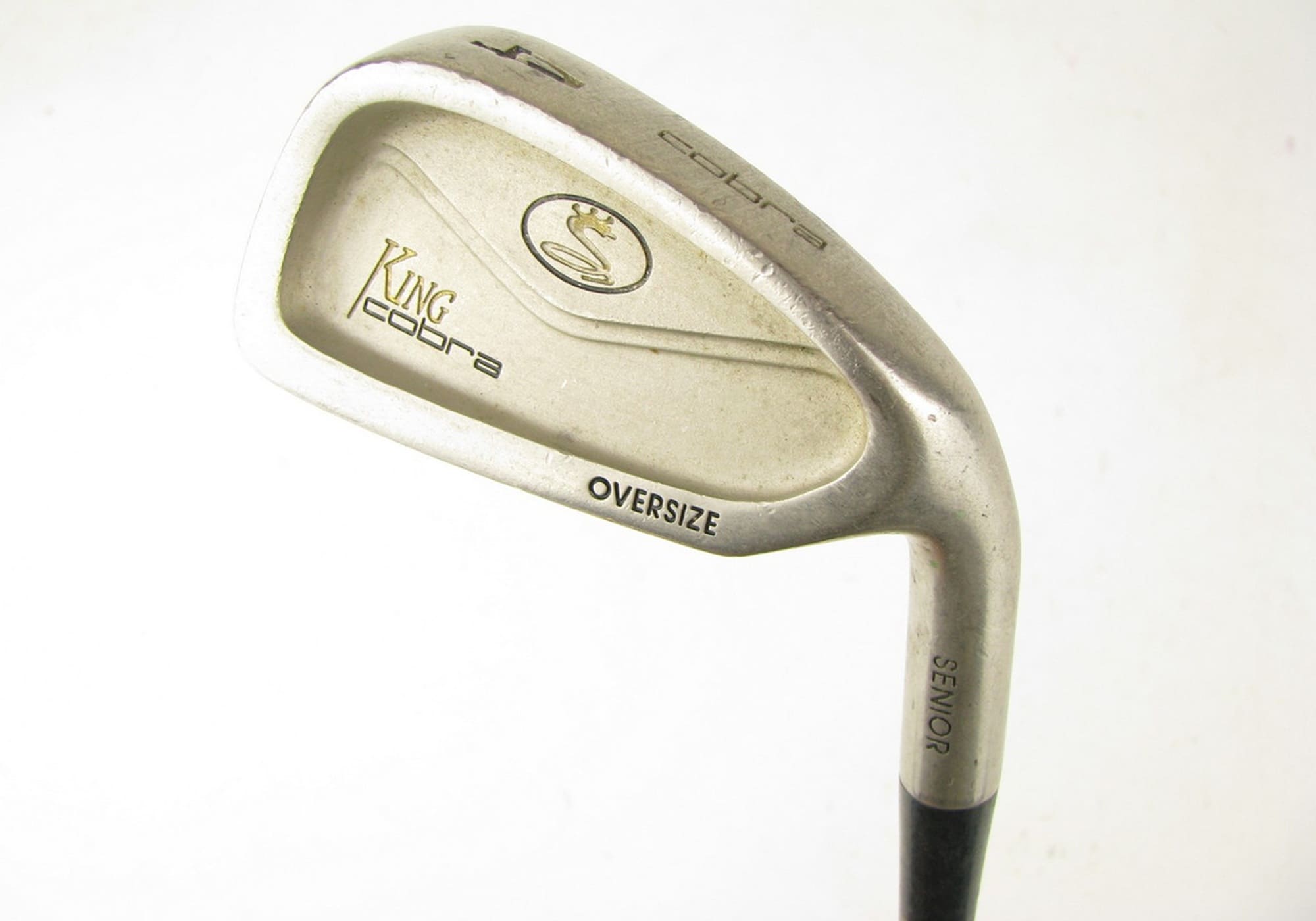 The COBRA KING oversized became golf’s top-selling irons in 1994
Products like the Big Bertha, COBRA’s KING oversized irons and TaylorMade’s Burner Bubble defined the ‘90s. Callaway, COBRA and TaylorMade started the decade as also-rans. By 2000 they were the biggest brands in golf. Conversely, legendary old guard companies Wilson, MacGregor, Spalding, Ram and Hogan were on the road to irrelevance or worse.
But no one knew any of this was coming when the decade started. Fortunately, history gives us the benefit of hindsight. When we look at the golf OEM landscape in the late ‘80s, we can see the stage being set for what was to come.
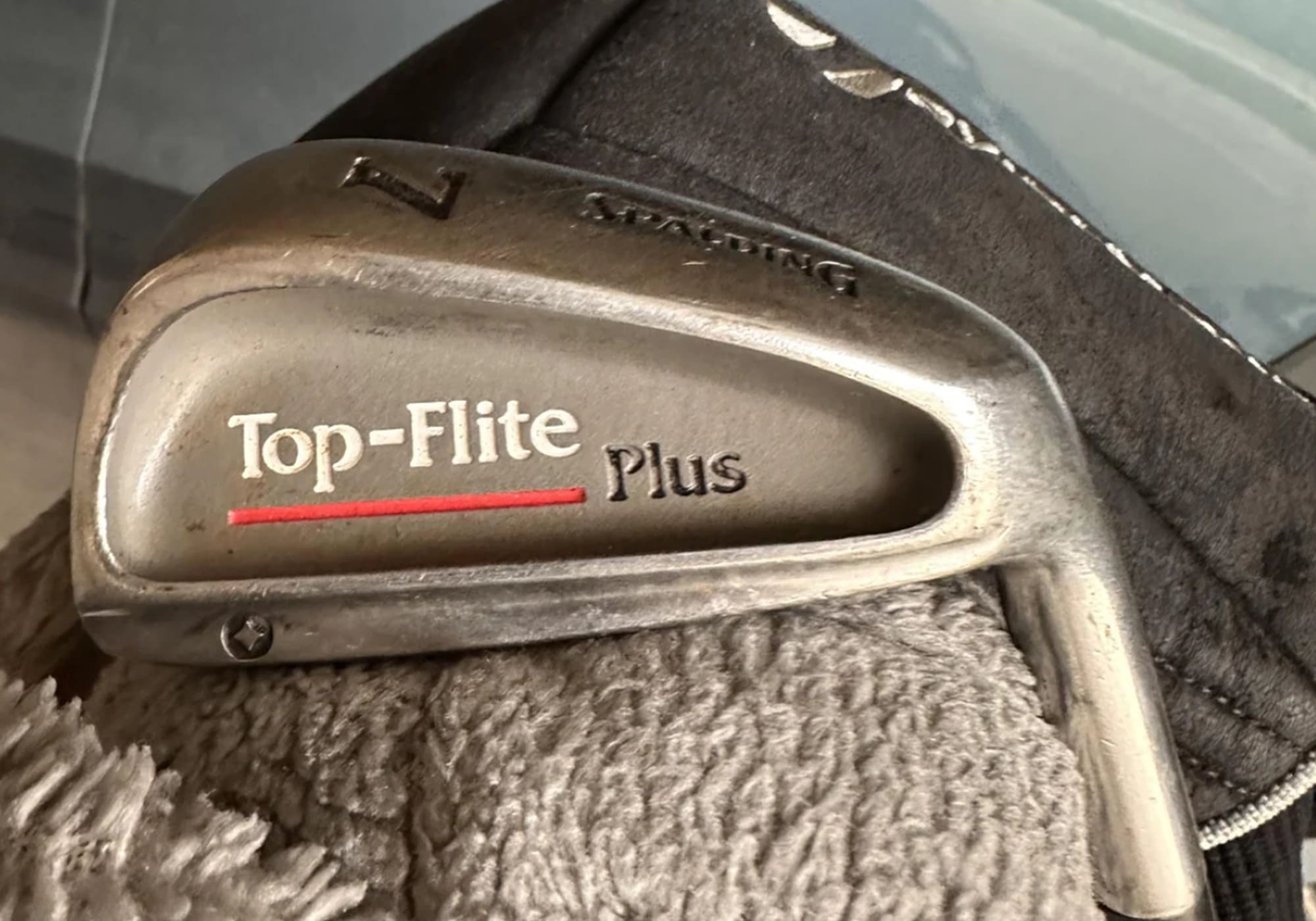 Spalding’s Top-Flite Plus from 1992
You didn’t need to be Columbo to find the clues
Through the lens of time, we can look at December 1989 and see an industry just aching for a change. The biggest golf company on the planet was Northwestern, which made inexpensive clubs for sporting goods and department stores. The rest of the top brands, Wilson, Spalding, Tommy Armour and Ben Hogan, had also been on the scene for decades.
They were, by all accounts, the game’s status quo.
PING was in a unique situation. It was a market force, but the groove kerfuffle over the PING Eye 2 had the company mired in crippling lawsuits with the USGA and PGA Tour.
 The PING Eye 2’s influence spread well beyond the ’80s
However, don’t underestimate the lasting influence of the PING Eye 2 (and, by extension, its cousins the Tommy Armour 845s and Hogan Edge) had on consumers. The PING Eye 2 permanently changed golfers’ expectations by giving them a taste of what forgiving clubs could do, and they were hungry for more. They just needed someone to give it to them.
The industry reaches a tipping point
By the end of the ’80s, the PING Eye 2 was still golf’s top-selling iron eight years after its initial release. That single model had a whopping 28 percent market share. Conversely, Wilson’s overall iron market share plummeted to just over nine percent. MacGregor’s was down to around five percent.
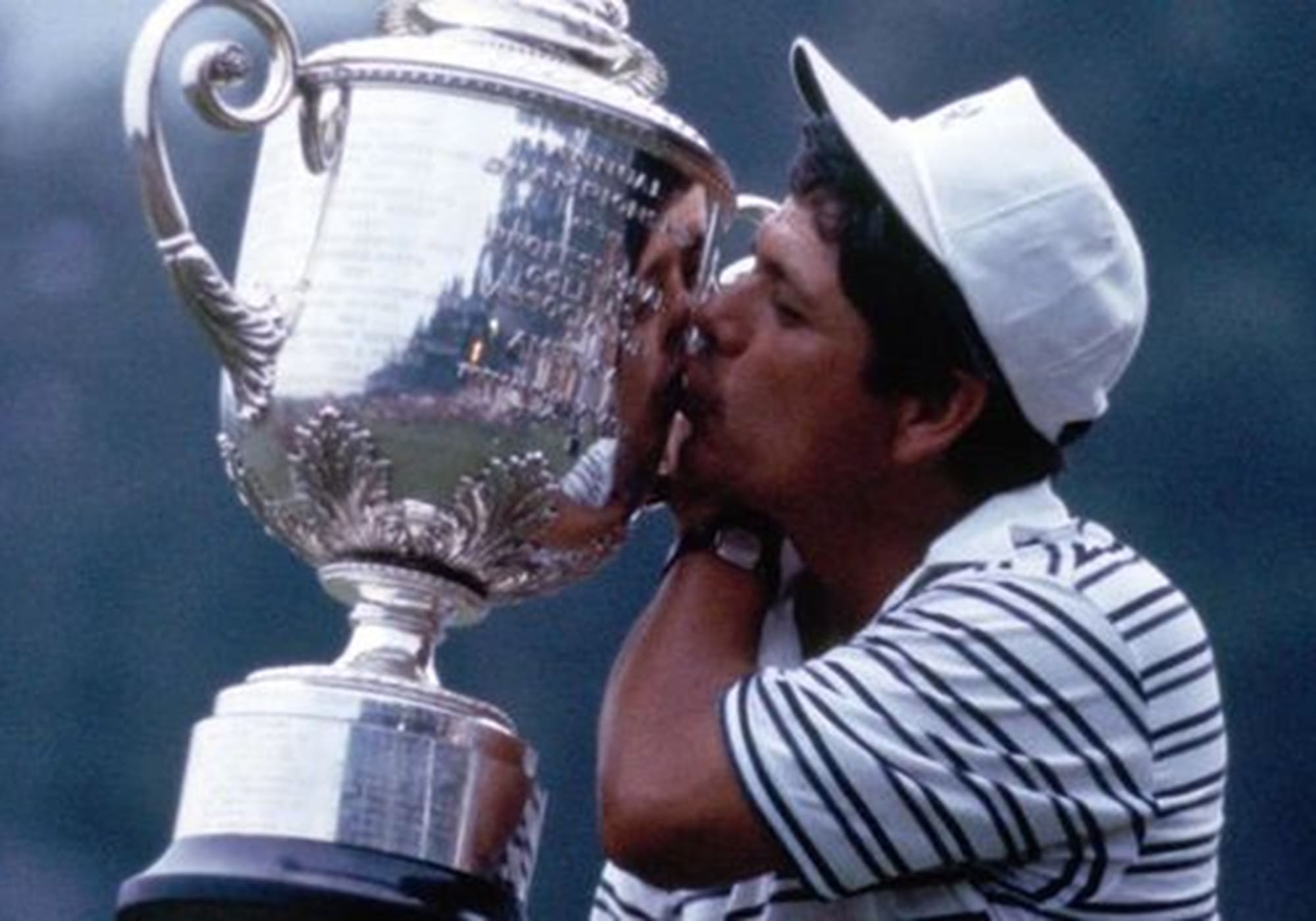 Lee Trevino used a TaylorMade steel driver to win the 1984 PGA Championship
The metalwood movement was cresting, as well. Lee Trevino’s win at the 1984 PGA was the first major for a steel driver (it was a TaylorMade). By 1988, metalwoods outnumbered persimmons on the PGA Tour. MacGregor that year saw its persimmon wood production drop from 1,200 per day to 50 per week in just nine months.
Ironically, MacGregor was ready to launch a line of oversized metalwoods in 1988. Ownership, however, didn’t think there was a market.
 Curtis Strange won the 1989 U.S. Open with MacGregor metalwoods
“We could have launched ours long before the Big Bertha came out, but we couldn’t sell the vision to upper management,” former MacGregor R&D Director Clay Long tells MyGolfSpy. “I look back on it and wonder what in the hell people were thinking.”
Let that sink in. MacGregor had a full line of oversized metalwoods three full years before Big Bertha hit the streets, but management said no for one simple reason.
In its view, no one was asking for it.
“We bet the farm on Big Bertha”
No one was asking for it in 1991, either. The problem was that no one told Ely Callaway. And if they did, he didn’t care.
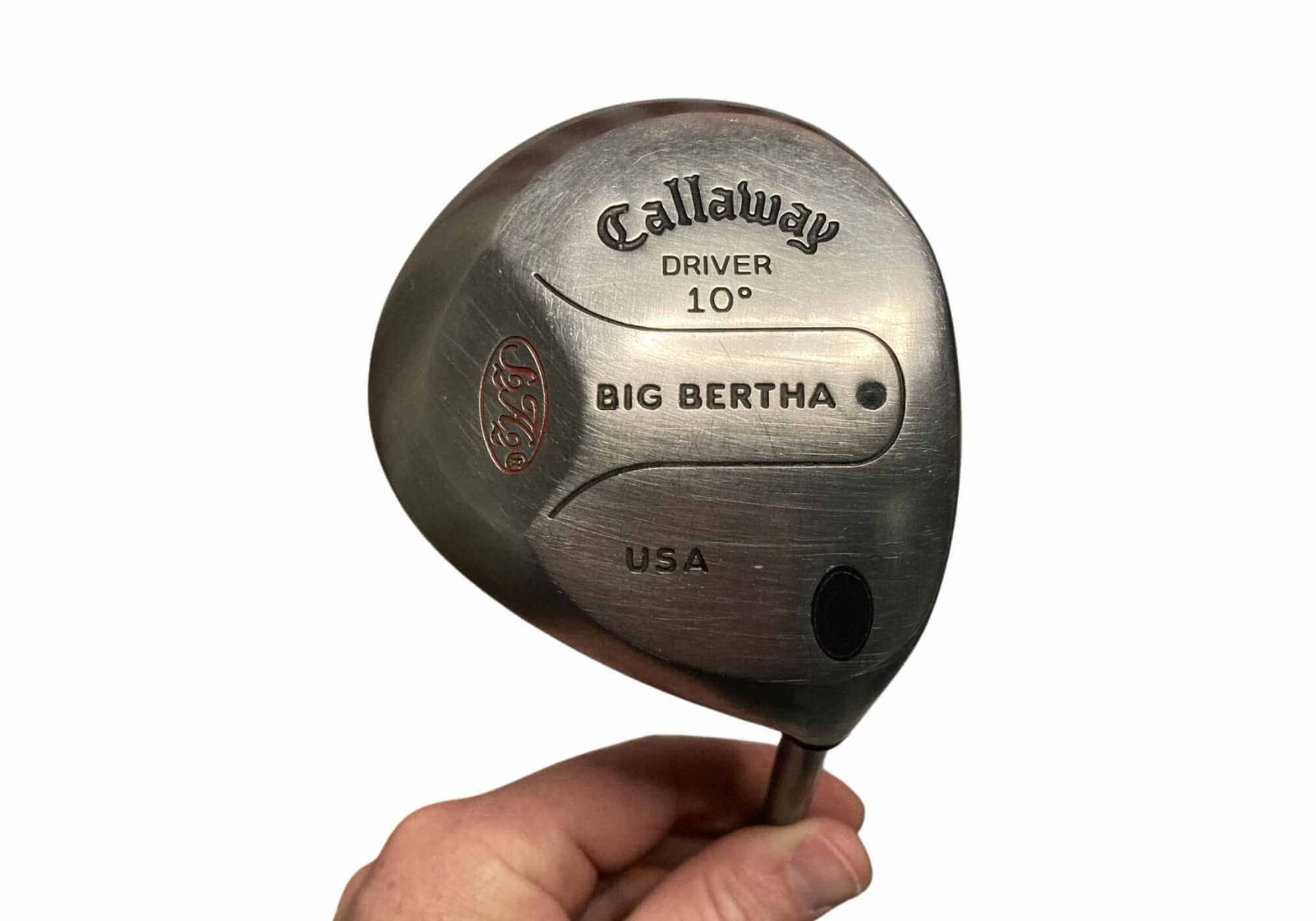 Big Bertha blitzed the field in 1991
In 1990, Callaway sales barely reached $20 million. To the legacy OEMs, the company was mostly just an annoyance. However, that all changed when Callaway launched the Big Bertha at the 1991 PGA Show. Everyone’s world turned upside down. That oversized metalwood that MacGregor’s ownership said no one wanted three years earlier was suddenly the biggest thing since the wound balata.
Don’t underestimate what a huge risk Callaway took in bringing Big Bertha to market. It was big and it was ugly. It also sounded terrible and cost $500 (that’s $1,200 in today’s dollars). But damn, it was easy to hit straight and far.
And there’s nothing golfers like more than easy, straight and far.
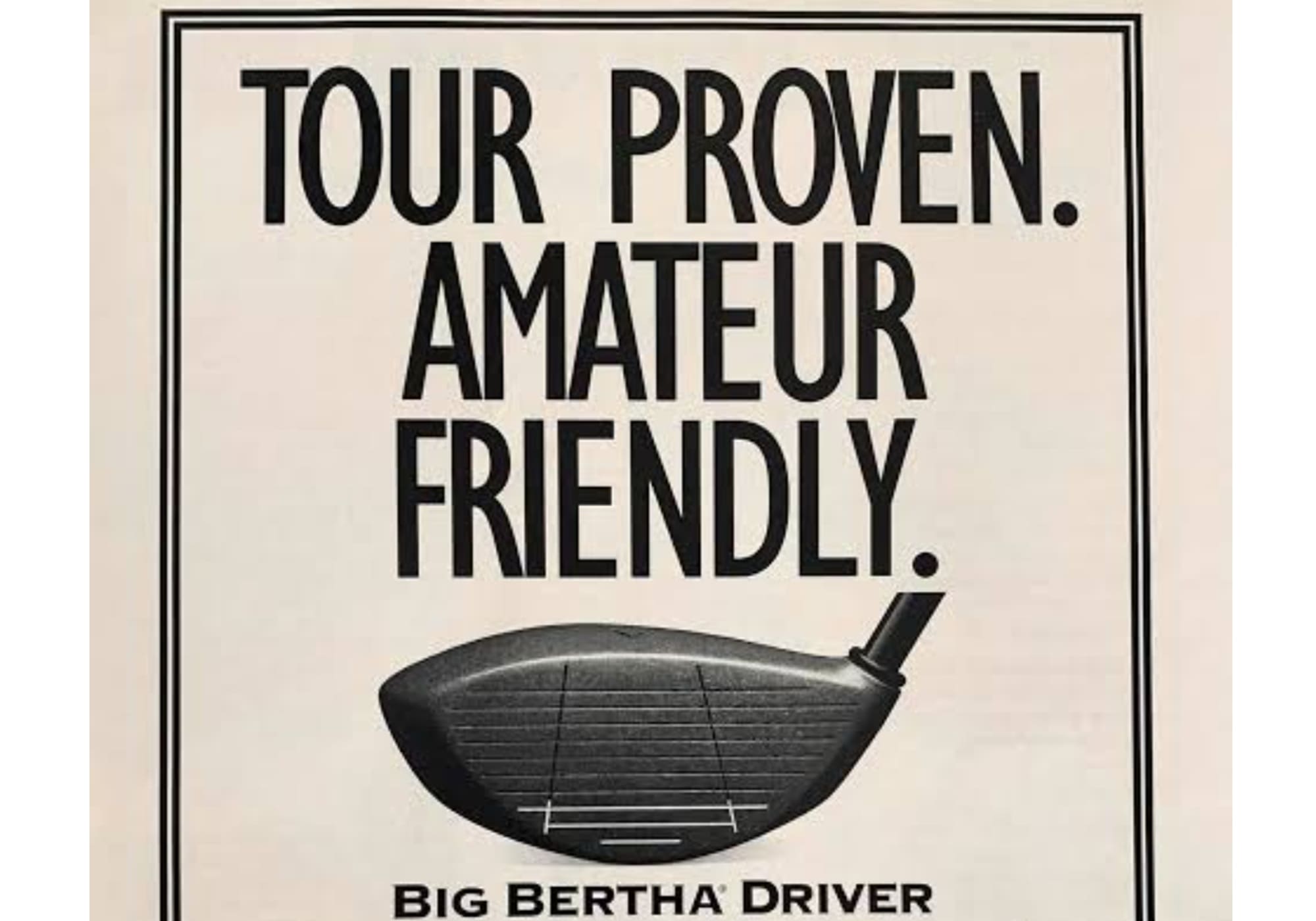
“We bet the farm on Big Bertha,” Ely Callaway would later say, and the bet paid off. Fueled by Big Bertha, Callaway sales jumped to over $55 million in ’91 and $132 million in ’92 after going public.
By 1995, Callaway passed Northwestern to become golf’s biggest company. By 1997, sales reached an unfathomable $843 million.
“You just saved COBRA”
COBRA was also a $20 million annoyance at the start of the decade. In 1991, founder Tom Crow bet his farm on another revolutionary new driver, the all-Kevlar Ultramid. Unfortunately, the Ultramid got lost in Berthamania and actually put COBRA in a serious financial bind. But then John Daly came out of nowhere to win the 1991 PGA Championship, launching the longest drives you ever saw with his Ultramid.
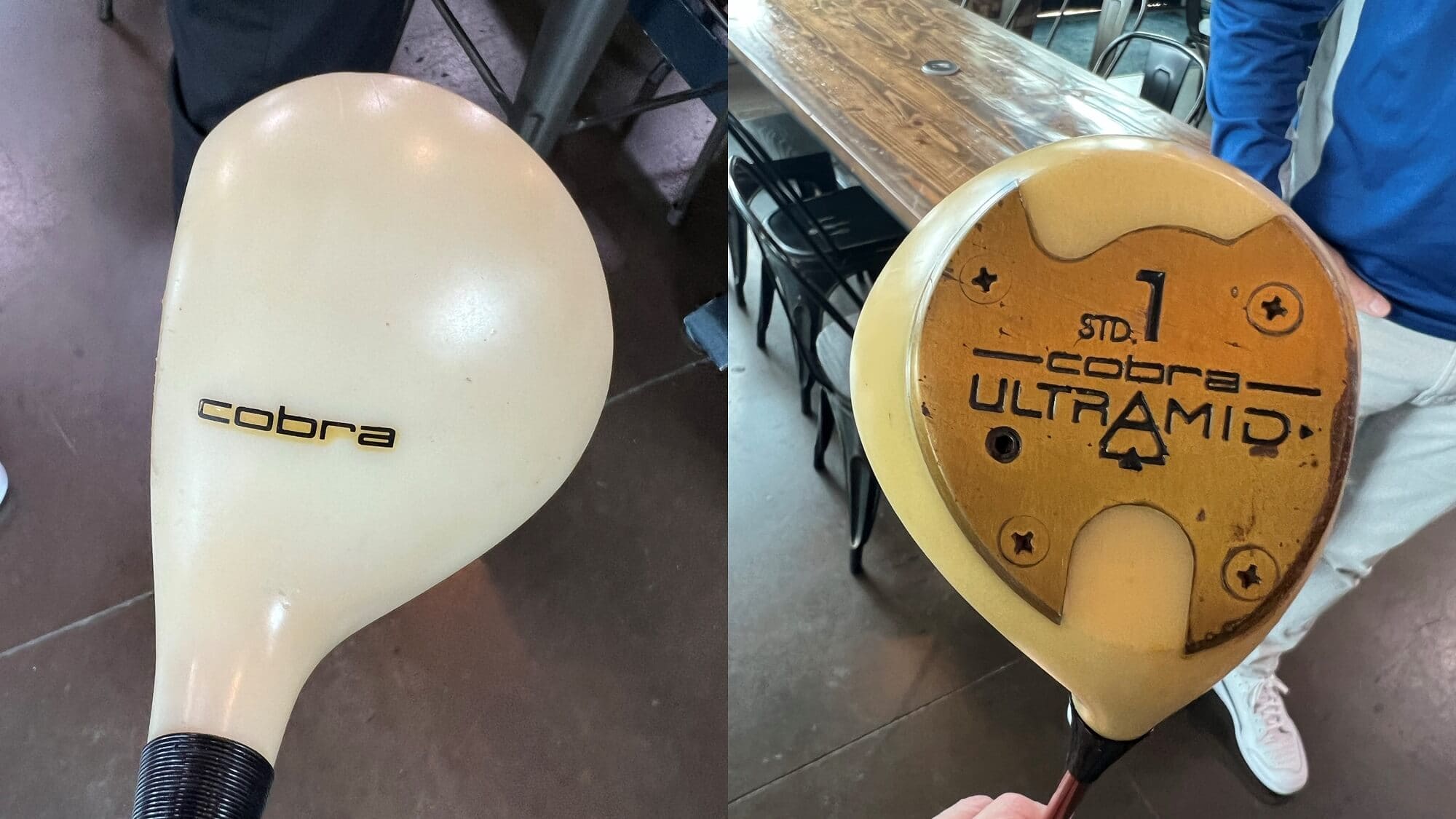 The made from Kevlar COBRA Ultramid was John Daly’s ticket to ride at the ’91 PGA
“After I won, Tom and Jamie (Tom Crow’s son) came up to me and were crying,” Daly recounted at COBRA’s 50th Anniversary Party in 2023. “Tom said to me, ‘You just saved COBRA.’”
COBRA scored again in 1994 with its oversized KING COBRA irons. Known for being the first iron to combine forgiveness with distance, the KING quickly became golf’s top-selling iron despite its hefty $1,000 price tag ($2,200 today). COBRA also went public and by 1995, its sales topped $200 million.

In early 1996, Crow sold COBRA to American Brands (parent company of Acushnet and Titleist) for an also unfathomable $700 million.
TaylorMade invents modern marketing
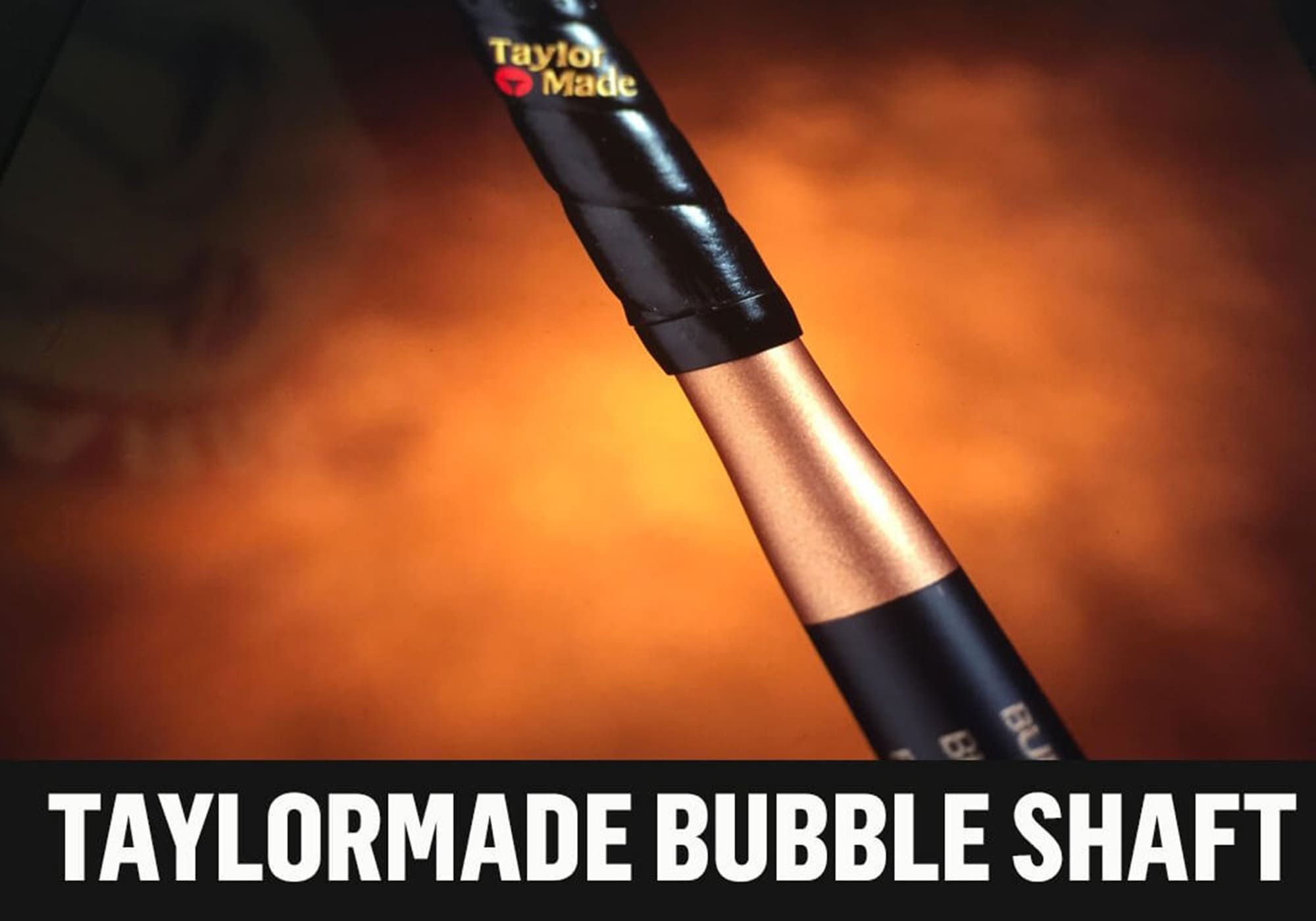
Despite its metalwood success in the ‘80s, TaylorMade was stagnating in the early ‘90s, left in the dust by Callaway and COBRA. That changed in 1995 with the launch of the Burner Bubble with its iconic “Bubble shaft.”
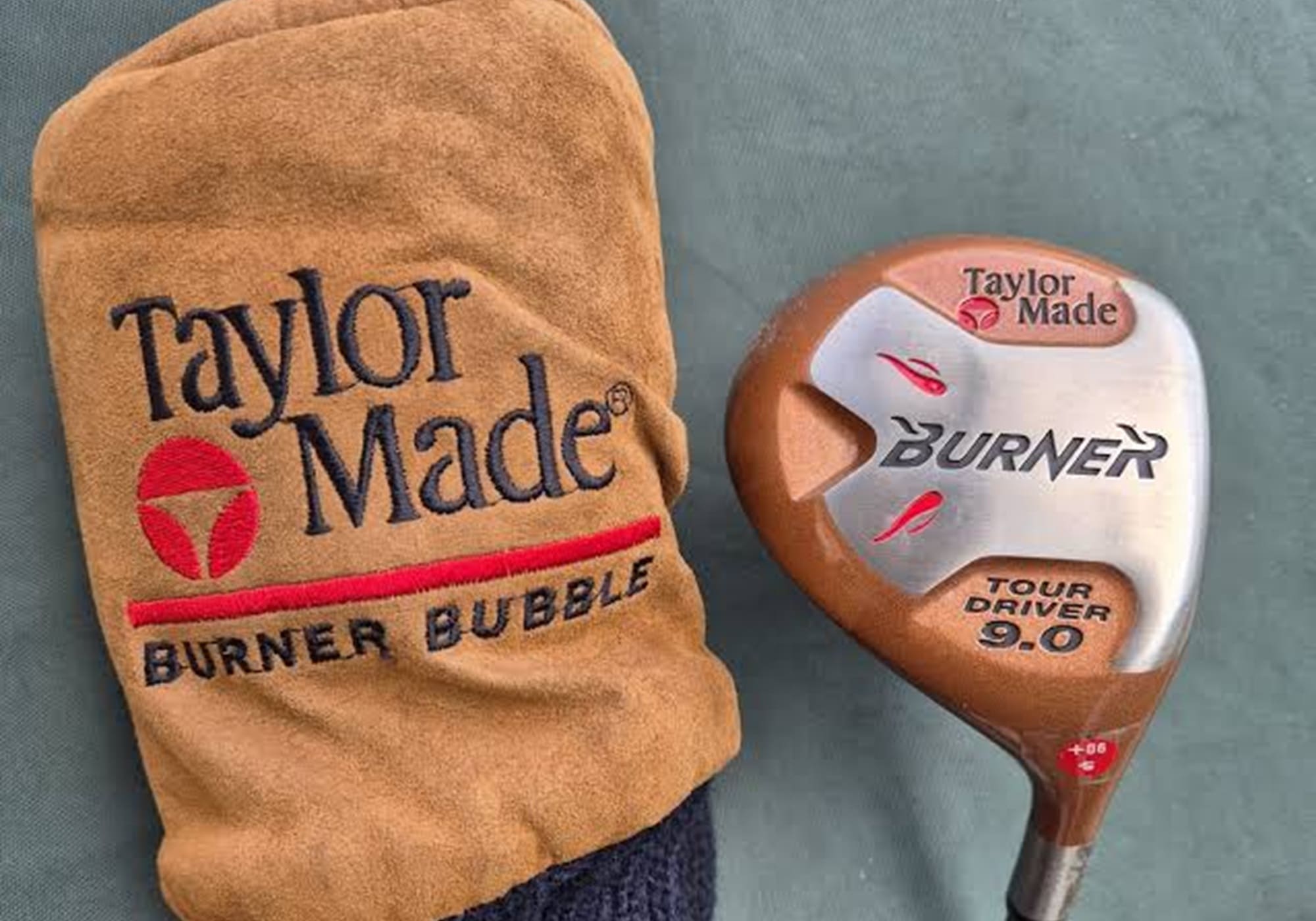 TaylorMade’s Burner Bubble driver was a hit in 1995
The Bubble technology was a huge innovation, but the real game changer was TaylorMade’s commitment to marketing. The company spent an unprecedented $18 million on that one product launch. That was 50 percent more than its entire 1994 marketing budget, and double what it spent in 1993. Marketing director (and future company president) George Montgomery went all-in on TV and print ads that focused on how the “bubble” in the shaft moved weight away from the hands and helped golfers swing faster without extra effort.
With the Burner Bubble launch, TaylorMade invented modern golf club marketing. And it worked like a champ. TaylorMade sold 500,000 titanium Burner Bubble drivers worldwide in just eight months. Global sales hit $220 million that year.
By 1997, TaylorMade sales reached $550 million, second only to Callaway. That’s also the year that Salomon, the French ski company that owned TaylorMade, sold it to adidas for $1.53 billion.
For legacy OEMs, the status quo became dead weight
You could say old guard OEMs were blindsided, but the truth is more subtle.
The upstarts had no market share to lose, and they had leadership willing to take risks. Conversely, legacy OEMs had a status quo to protect and corporate overlords to answer to. They chose to stay the course, expecting golfers to buy what they made because that’s what golfers had been doing for decades.
Wilson is a prime example. While the upstarts launched Big Bertha, COBRA KING and Burner Bubble, Wilson countered with the Invex driver and Fat Shaft.
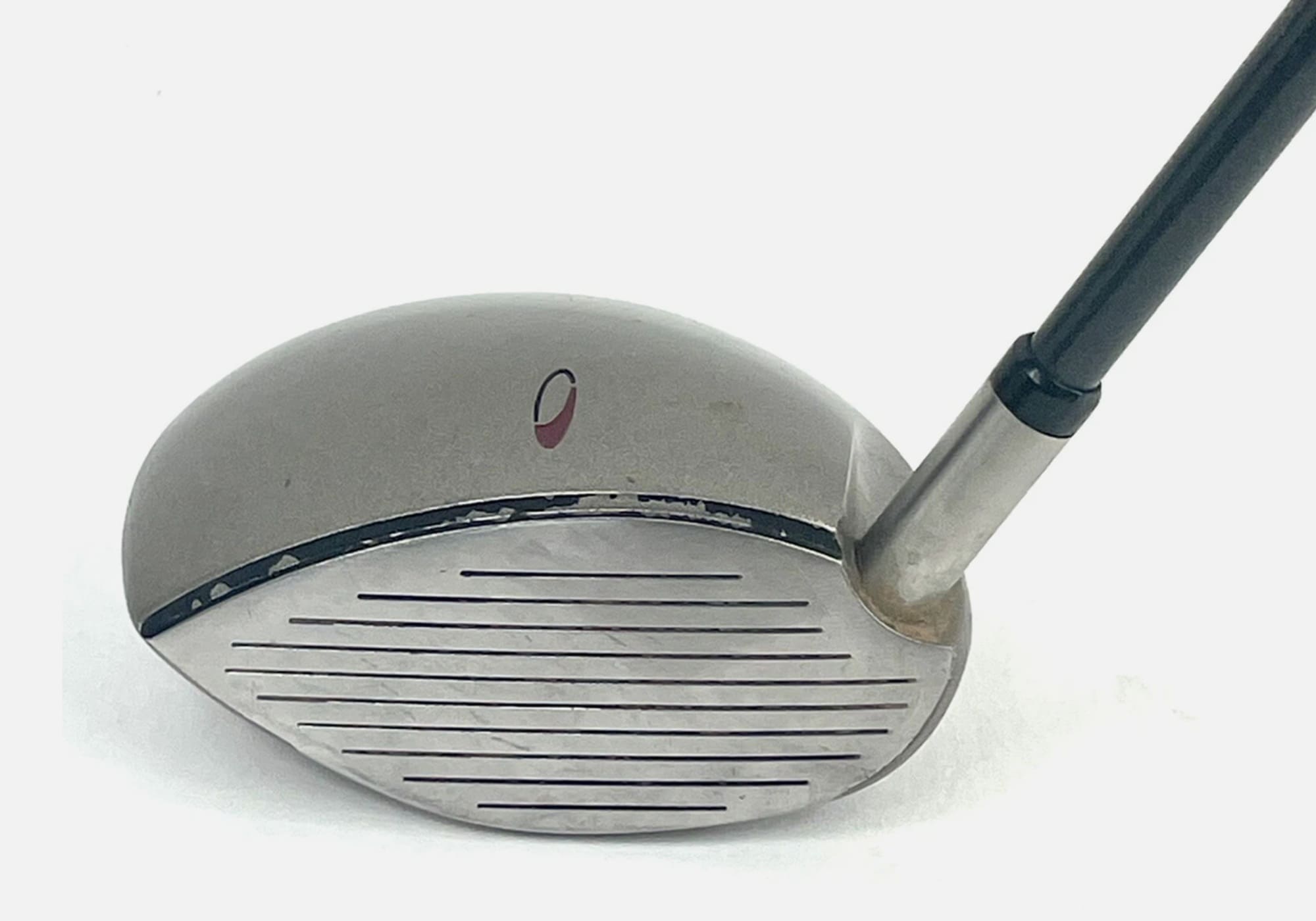 One Wilson sales rep said the Invex driver looked like “a salmon right out of the river.”
Invex launched in the wake of Callaway’s 1995 Big Bertha follow-up, the all-Titanium Great Big Bertha. Invex wasn’t a bad driver (Daly won at St Andrews with it), but it looked meager compared to the new Callaway. Fat Shaft was also a solid concept and sold reasonably well. However, in a world of oversized everything, it came off as a follower’s gimmick rather than innovative leadership.
MacGregor also suffered the follower’s fate, perhaps undeservedly so. MacGregor, like Wilson, was owned by the Finnish conglomerate Amer Sports. It launched golf’s first all-titanium driver, the T920, in 1992. Golfers, however, were still lusting after the hard-to-find Big Bertha. Later, MacGregor was the first to use a supercomputer to help design the Mad Mac driver.
 The MacGregor Mad Mac was one of, if not the first drivers designed with the aid of a computer
“The computer showed stress points at impact and a lack of energy being transferred to the ball,” says SQAIRZ founder Bob Winskowicz, a MacGregor sales rep at the time. “(The Mad Mac) had gears on the top of the head and ribs at the bottom that were connected internally.”
Years later, Callaway did the same thing with its Jailbreak technology. However, in the mid-‘90s, golfers wanted the Great Big Bertha and the Burner Bubble.
No one had any time for a Mad Mac.
The strange fates of Hogan and Spalding
There’s no better coulda-shoulda-woulda ‘90s story than Spalding. Known for its recreational Top-Flite line, Spalding rocked the golf world in 1996 when it came out with the Strata.
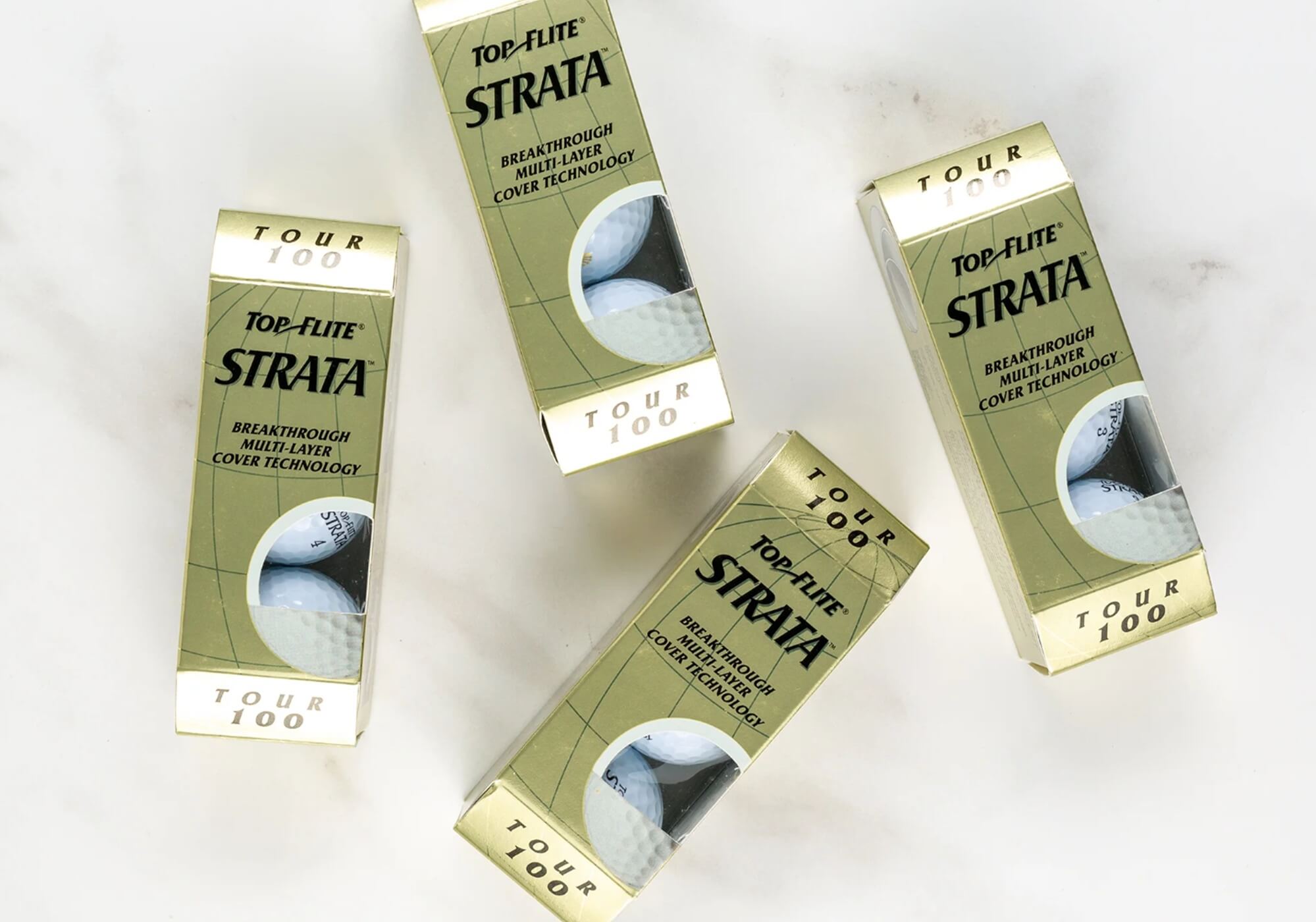 The groundbreaking Spalding Strata was released four full years before the Pro V1
It was golf’s first solid-core ball with a urethane cover and was every bit as revolutionary as Big Bertha and company. It should have catapulted Spalding into the same stratosphere as Callaway, COBRA and TaylorMade.
Instead, it sped up Spalding’s ultimate demise.
In 1997, the private equity firm KKR was licking its chops over Spalding and the Strata. It bought Spalding for $900 million in a heavily leveraged buyout, expecting profits to service roughly $500 million in purchase debt. That never happened, prompting KKR to cut marketing and R&D budgets. Whatever momentum Strata had was lost, wasting its four-year head start over the Pro V1.
 Questionable ownership decisions stalled Hogan’s momentum in the early ’90s
Hogan had its own ownership nightmares. Purchased in 1988 by the Japanese conglomerate Cosmo World, Hogan wound up a pawn in ownership’s larger chess match. In 1991, Cosmo World bought Pebble Beach for an estimated $843 million. That deal robbed Hogan of badly needed funds for marketing and product development. Within two years, Cosmo World dumped Hogan to Bill Goodwin, who killed R&D, shut down its legendary Fort Worth plant, fired Ben Hogan and moved operations to Virginia.
By his own account, Goodwin lost over $200 million in three years with Hogan. He sold it, ironically, to the one company in an even more precarious financial situation, Spalding.
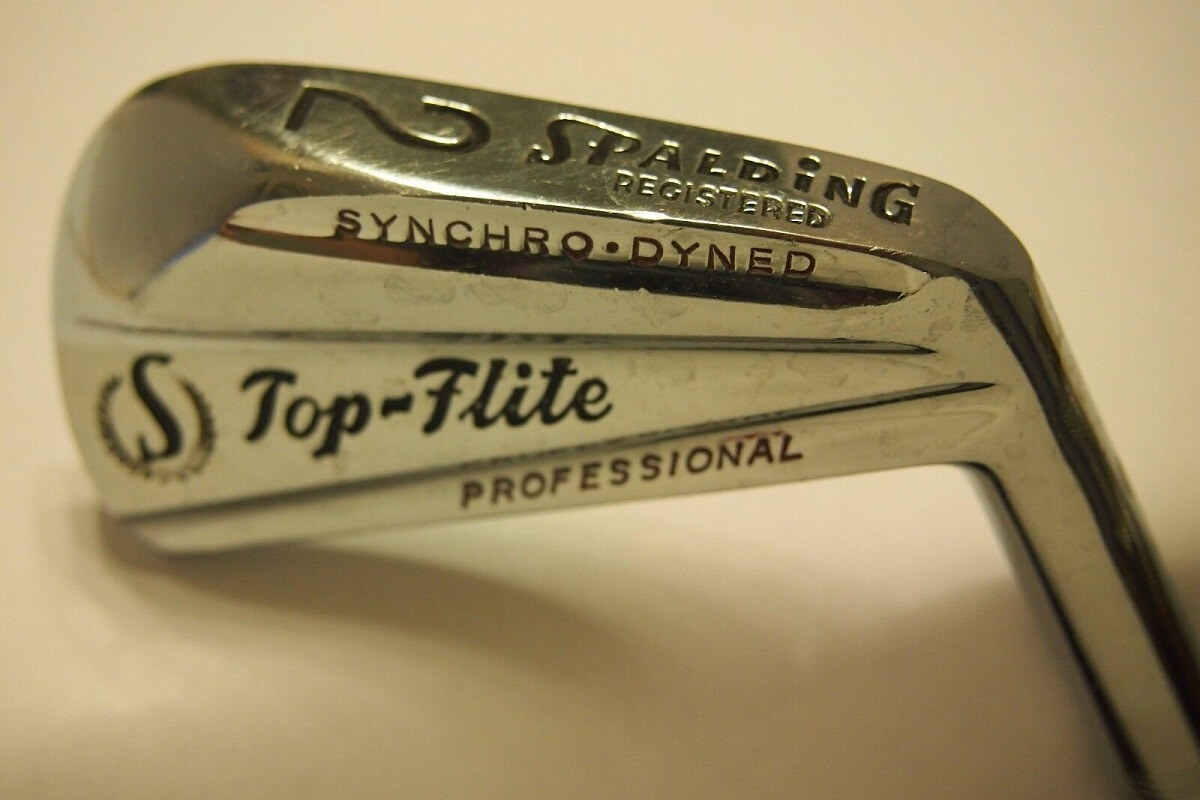 Despite its long history, Spalding couldn’t survive its leveraged buyout
Spalding limped through the rest of the decade but couldn’t keep up with KKR’s purchase debt. By 2003, Spalding owed more than it was worth on the open market. It sold off the Spalding name to Russell Athletics and rebranded the golf-only remnants as Top-Flite. By August, it filed for bankruptcy.
Callaway scooped it up at auction that fall.
What about PING and Titleist?
PING and Titleist are noticeably absent in this narrative. PING spent the first half of the decade battling the PGA Tour over grooves. That fight took its toll on Karsten Solheim’s health, which led to his son John taking over. PING treaded water for several years before moving forward in the early 2000s.
 Karsten Solheim spent the early ’90s battling the PGA Tour over the PING Eye 2 grooves
Titleist, meanwhile, was still more of a golf ball company than a golf club company. It didn’t get into clubs (aside from Bulls Eye putters) until 1968, when it bought Golfcraft. Titleist gained some momentum in the ‘90s with its DCI irons and the 975D titanium driver. But it wasn’t until the 2000s, with the 907 and 909 drivers and the AP1 and AP2 irons, that it cemented itself as an industry leader.
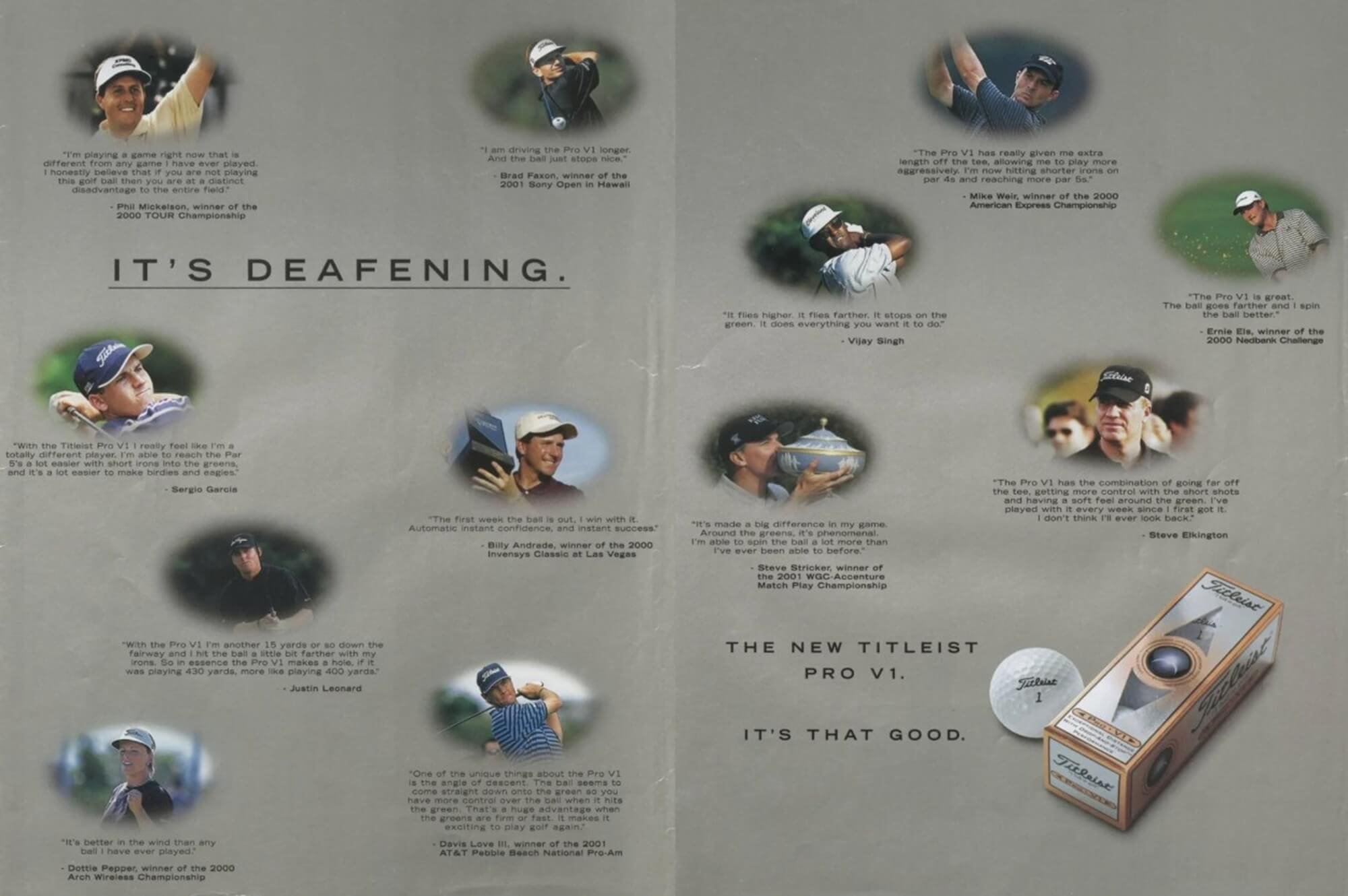 The Pro V1 became golf’s #1 selling ball within weeks of its release
The Pro V1, launched in late 2000, didn’t hurt either.
History’s Mysteries: A surprising conclusion
A pretty compelling case, don’t you think?
Companies that started the decade on the fringe are now today’s industry stalwarts. Legacy brands, hamstrung by corporate stasis, became followers and their “revolutionary” products come off as lame in comparison. By the end of the ‘90s, they had slipped into darkness, many of them permanently.
Ownership played a major role in reshaping the golf equipment industry. Men like Ely Callaway, Tom Crow and George Montgomery had the vision to see the future and the testicular fortitude to actually reach for it. Most importantly, they had the freedom to do it.
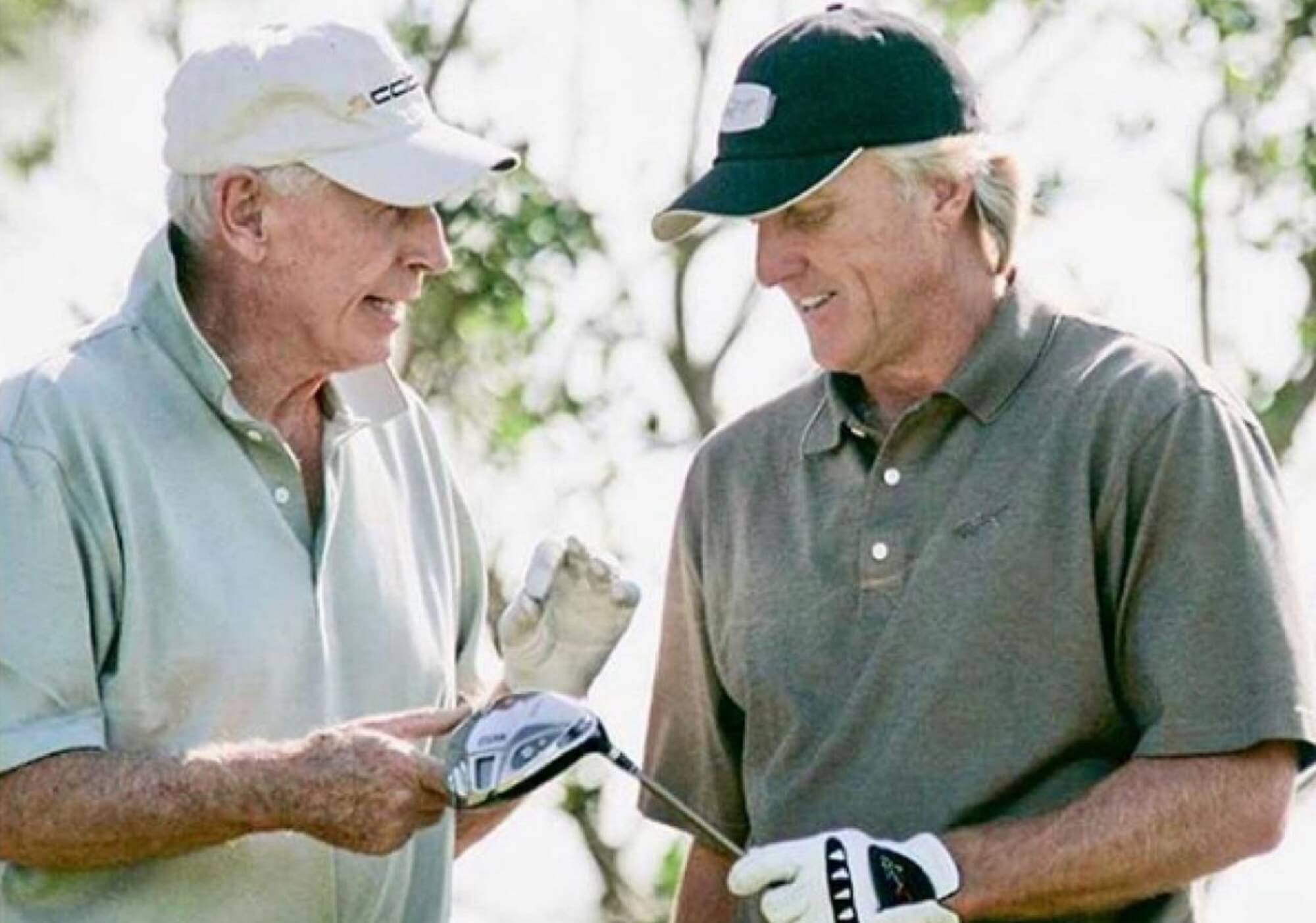 COBRA founder Tom Crow with Greg Norman
Unprecedented amounts of money followed, creating something the industry had never seen before: massive, well-funded and nimble golf companies. The old guard brands were, for the most part, embedded inside larger, diversified conglomerates that wanted only one thing.
Black ink at the bottom of the ledger every December.
That’s not the surprising part, though.
The surprising part is that the one individual probably most responsible for the incredible change in the ‘90s spent most of the decade on the sidelines.
That, friends, would be Karsten Solheim.
 Karsten Solheim’s influence was felt throughout the decade
We’ve covered PING’s long history before, but Solheim not only created the innovation blueprint followed by Crow and Callaway; he also created the environment that made the ‘90s possible.
Karsten was a professional mold-breaker. The PING Anser in 1966 redefined what golfers should expect from a putter. In 1969, he launched his first investment cast irons. Those Karsten irons were ugly, but they gave golfers their first taste of what forgiveness was really like. Then, in the ‘80s, the PING Eye 2 rewrote the book on what a golf club could be. It permanently changed consumer expectations.
It didn’t matter that they looked like a boat propeller, as long as they made the game easier.
Picked for you, based on this story
 Testing & Data
'95 Burner Bubble vs '22 TaylorMade
The Burner Bubble defined the 90s. See how it holds up against a 2022 driver.
Read story → News & Opinion
Spalding's Final Countdown
Spalding once made 25 to 26 million dozen golf balls a year and still collapsed.
Read story → News & Opinion
Wilson Golf 2.0: Rebuilding the Brand
Wilson rebuilt from 0.6% iron market share, one of the decade's biggest casualties.
Read story →An industry redefined
In hindsight, it’s easy to see how badly Wilson, MacGregor, Spalding, Hogan and the others misread the market and sealed their own fate. Perspective, however, matters. None of these companies were independent, golf-only brands, and each one had debt from leveraged buyouts to deal with. Additionally, each one was playing defense, trying to protect the market share it spent decades building. Companies in that position are, by nature, conservative and reactionary.
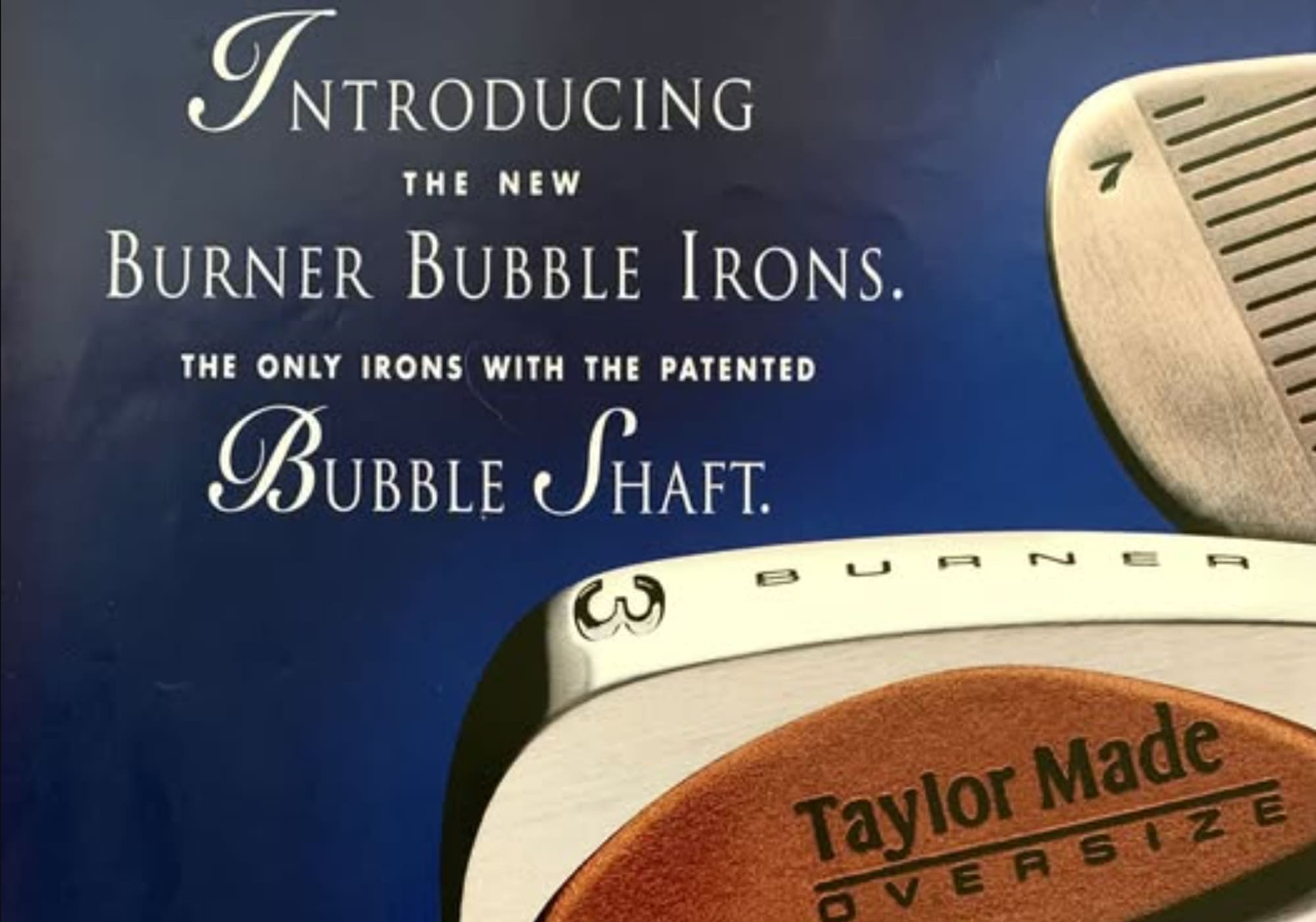 TaylorMade invented modern golf club marketing with the Burner Bubble launch
Callaway, COBRA and TaylorMade, on the other hand, had no market share to protect and no status quo to weigh them down. The stars were aligned and each company capitalized. But make no mistake, Karsten Solheim put those stars in motion. His innovations slowly but steadily changed what golfers wanted and expected. By 1990, the pump was fully primed and ready to go. Unfortunately, Karsten was too embroiled in lawsuits with the USGA and PGA Tour, leaving the door wide open for Ely Callaway, Tom Crow and George Montgomery.
That’s not to dismiss or in any way minimize what those three men did. It takes vision to create a Big Bertha, Ultramid and modern golf marketing. And it takes serious determination to see it through, especially when the risks are high and there are no guarantees.
 Karsten Solheim refined what golfers should expect from their golf equipment
But in the end, it was this quirky guy in Arizona, a brilliant engineer who never actually had an engineering degree, who created the context that made it all possible.
Of Karsten’s many legacies in this game, the decade that was the 1990s might be his most lasting work.
Postscript
We hope you enjoyed this latest edition of History’s Mysteries. Let us know what you think and what golf mysteries you’d like us to track down next.
The post History’s Mysteries: How The Upstarts Buried Golf’s Old Guard in the ’90s appeared first on MyGolfSpy.
Article Link: History's Mysteries: How The Upstarts Buried Golf's Old Guard in the '90s | MyGolfSpy