
If you’ve searched for the best golf balls for women, you’ve probably noticed that most of what comes up is marketing, not performance. As a woman golfer, I wish that would change but I think some if it comes down to helping women get more in tune with the data and math behind what makes a golf ball a good fit for your game.
The ball matters and not just for low handicaps. Choosing the right golf ball is a swing question, not a gender question. Here is my best advice for women golfers in 2026 to find a golf ball that complements their game.
Start at the green
Work backward from the hole. Most of us hit more wedge/short iron shots than drives and the biggest differences between balls show up around the green.
That gap doesn’t depend on how fast you swing. The MyGolfSpy golf ball wedge data includes a 35-yard wedge shot hit at about 42 mph. The median shot spun 5,391 rpm and the best balls, like the Callaway Chrome Tour X, got close to 6,000.
Cover material explains a lot about greenside performance.
On full wedge shots, dry urethane balls out-spun ionomer balls by about 2,600 rpm and ionomers lost about 30 percent of their spin when wet versus about 11 percent for urethane. The Callaway Supersoft, a popular golf ball for women golfers, is the extreme case, losing 41 percent of its spin in the wet.
Five of the highest spinning greenside balls we tested in 2026 were:
- Callaway Chrome Tour X: 5,992 rpm, the highest of all 48 balls
- Titleist Pro V1x: 5,967 rpm
- Srixon Z-Star Diamond: 5,953 rpm
- Maxfli Tour X: 5,850 rpm
- Bridgestone Tour B RXS: 5,848 rpm
Then make sure it flies high enough
Many women want a higher ball flight and that’s a reasonable goal. A ball that lands steeply stops faster. But how high a ball flies doesn’t tell you whether it will hold a green. If you need to hold more greens, you’ll want to look at:
- Peak height: How high the ball climbs. It’s the number most people notice and the least useful on its own.
- Descent angle: How steeply the ball comes down. A steeper angle means less roll after landing. With a mid iron, around 42 degrees or more is a good target for holding greens.
- Spin: Backspin helps the ball grip and check up when it lands.
This matters most if you swing slower. In our slow-speed data, ball speed was essentially flat from very soft to very firm balls and launch angle changed very little. The differences came after the ball left the clubface, in how it climbed, where it peaked and how steeply it came down.
Three balls from our slow-speed mid-iron data show how this works. All three left the clubface within about a mile per hour of each other.
- TaylorMade Tour Response: 4,260 rpm, 40.7-degree descent. It flies high enough to look like a great fit but lower spin and a shallower landing make it harder to stop.
- PXG Xtreme Tour: 4,589 rpm, 42.8-degree descent. It spins less than the Pro V1x but comes in steeper so it can still hold a green.
- Titleist Pro V1x: 5,338 rpm, 40.7-degree descent. It has the most spin of the three but not the steepest landing.
Two other things to keep in mind:
Flight changes with the club. The Srixon Z-Star Diamond flies among the highest off the driver and among the lowest off irons. If your iron shots fly high but don’t stop, look for a ball that lands steeper, not just one that peaks higher or spins more.
Soft doesn’t guarantee a high flight. At our slowest driver speed, the Srixon Soft Feel, Titleist AVX and Callaway Supersoft were among the lowest-flying balls off the driver.
Picked for you, based on this story
 Buyer's Guide
The Wrong Way To Choose A Golf Ball
Driver ball speed barely moves across compression 50 to 102, yet total distance still changes.
Read story →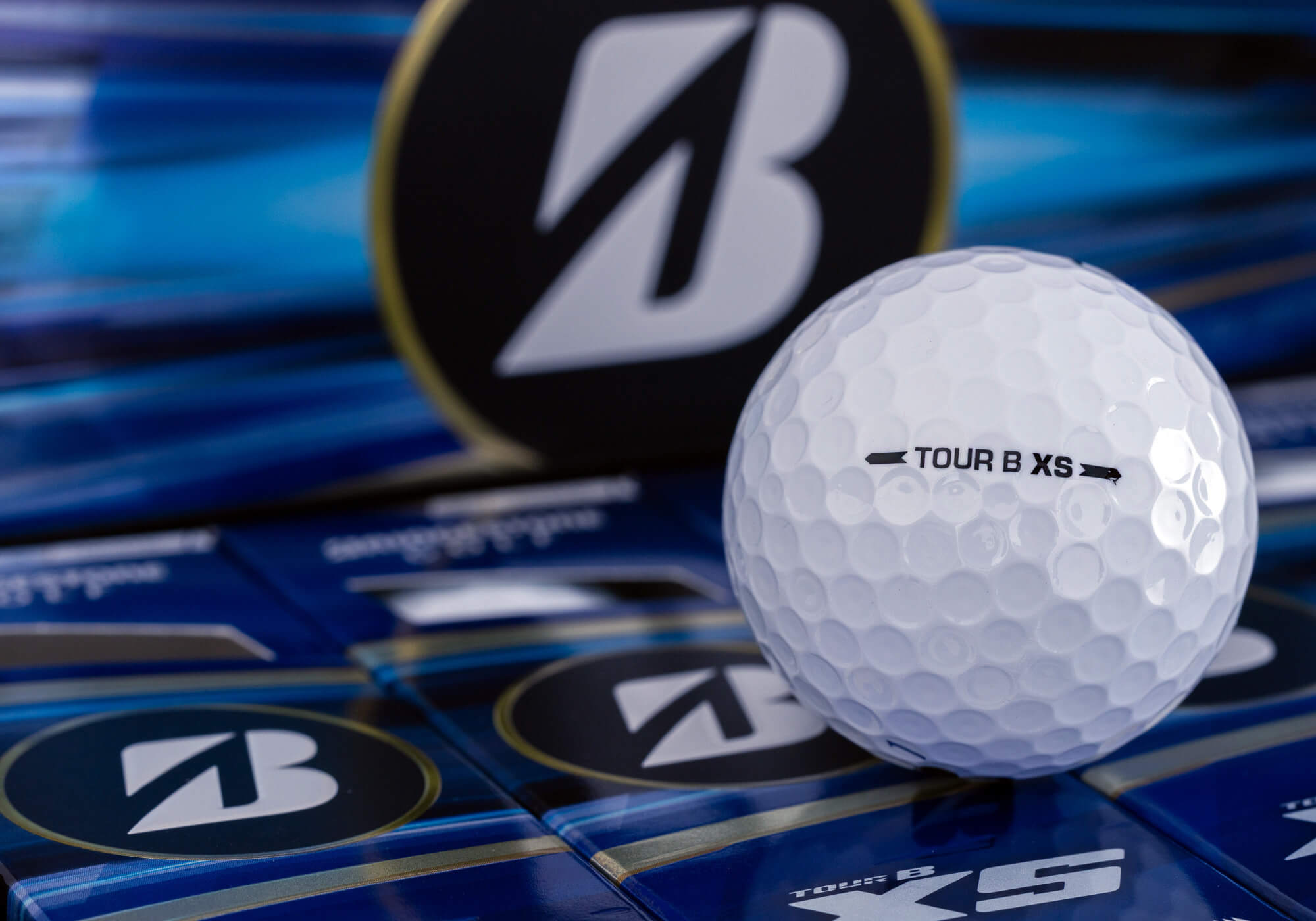 Buyer's Guide
Urethane Doesn't Guarantee High Spin
Two urethane balls differed by 1,674 rpm on the same 35-yard wedge shot.
Read story → Buyer's Guide
5 Golf Balls Killing Your Spin
Spin rates varied by nearly 4,000 rpm on a 35-yard shot, and five popular balls fell far short.
Read story →Distance matters but less than you’d think
Distance is the first thing many of us look for and it matters. But at slower speeds, the differences between balls are small. At the slowest driver speed in the data, 16 balls tied for the top spot with barely 11 yards separating the whole field. The Pro V1 was longest but the Tour Soft, Mizuno Pro S, TruFeel and Chrome Soft were all within about a yard.
This is good news for most women golfers. It means you can choose on feel and greenside performance and give up almost nothing off the tee.
Don’t choose a golf ball by compression alone
Many golfers assume a slower swing needs a softer ball but compression is a poor shortcut for choosing one. Compression is still worth knowing because it’s tied to feel and construction. We define soft as mid-70s compression or lower and the softest balls are usually two-piece ionomers with the least greenside spin. But feel and performance aren’t the same thing
Here’s what the data shows.
- Soft balls aren’t faster off the driver. At about 85 mph, none of the 11 balls below 75 compression beat the firmer control ball for ball speed.
- The gap narrows as you slow down. There’s no cutoff speed where soft takes over. It’s a gradual slope.
- Off the 7-iron, soft balls get a small edge, a fraction of a mph at slower speeds.
- If you want soft feel and a good short game: The Srixon Q-Star Tour is a soft urethane (70 compression, $39.99). At slower speeds, it kept driver spin below the median and 35-yard spin above it and held about 95 percent of its wet wedge spin.
- If budget matters more: The ionomer Amazon Basics ($17.59) is soft and inexpensive but gives up greenside spin.
A quick way to choose
- Start with the cover. If you want to hold greens and chip with control, choose urethane.
- Check flight. Look for a steeper descent, not just a higher peak.
- Pick for feel and price. Distance differences are small at slower speeds.
- Try before you commit. A sleeve costs less than a dozen of the wrong ball.
Still not sure? Email me at brittany.olizarowicz@mygolfspy.com and I’ll help you work through any questions about choosing a ball for your game. Also try our golf ball selector tool to learn about which golf balls could fit your game the best.
Use the MyGolfSpy Golf Ball Selector to compare 48 golf balls using data from our 2026 robot test. Filter by swing speed and see how each ball performs from driver to wedge to find the best fit for your game.
      <div>

              <div>
        <img alt="Tony Covey" height="50" src="https://uploads.mygolfspy.com/uploads/2020/08/ourteam_tony1-150x150.jpg" width="50" />
      </div>

              <div>
                      <div>
            Tony Covey              </div>

                      <div>
            Employee #2, Editor, Jack of All Trades              </div>
                  </div>
          </div>
The post How To Choose A Golf Ball For Women (2026) appeared first on MyGolfSpy.
Article Link: https://mygolfspy.com/buyers-guide/how-to-choose-a-golf-ball-for-women-2026/