
We’ve spent a lot of time this year talking about zero-torque putting. The data from our 50,000-putt study is pretty unambiguous: across 79 putters, the average zero-torque putter finished at a PuttView handicap of -6.29. The average mallet came in at -3.99. The average blade? -2.65. Only one conventional putter in the entire field of 53 cracked the zero-torque average. One. The case for zero-torque putting has never been stronger and if you’re still unconvinced, that data is a good place to start.
So when Tour Edge entered the zero-torque space with four putters priced at $199 each, I wanted to find out what that investment actually looks and feels like. I spent four rounds with both the ZT-1 and the ZT-4, and here’s what I found.
What I Tested
- Tour Edge Zero T ZT-1 (35 inches)
- Tour Edge Zero T ZT-4 (38 inches – counterbalanced)
The ZT-1: The one that really surprised me
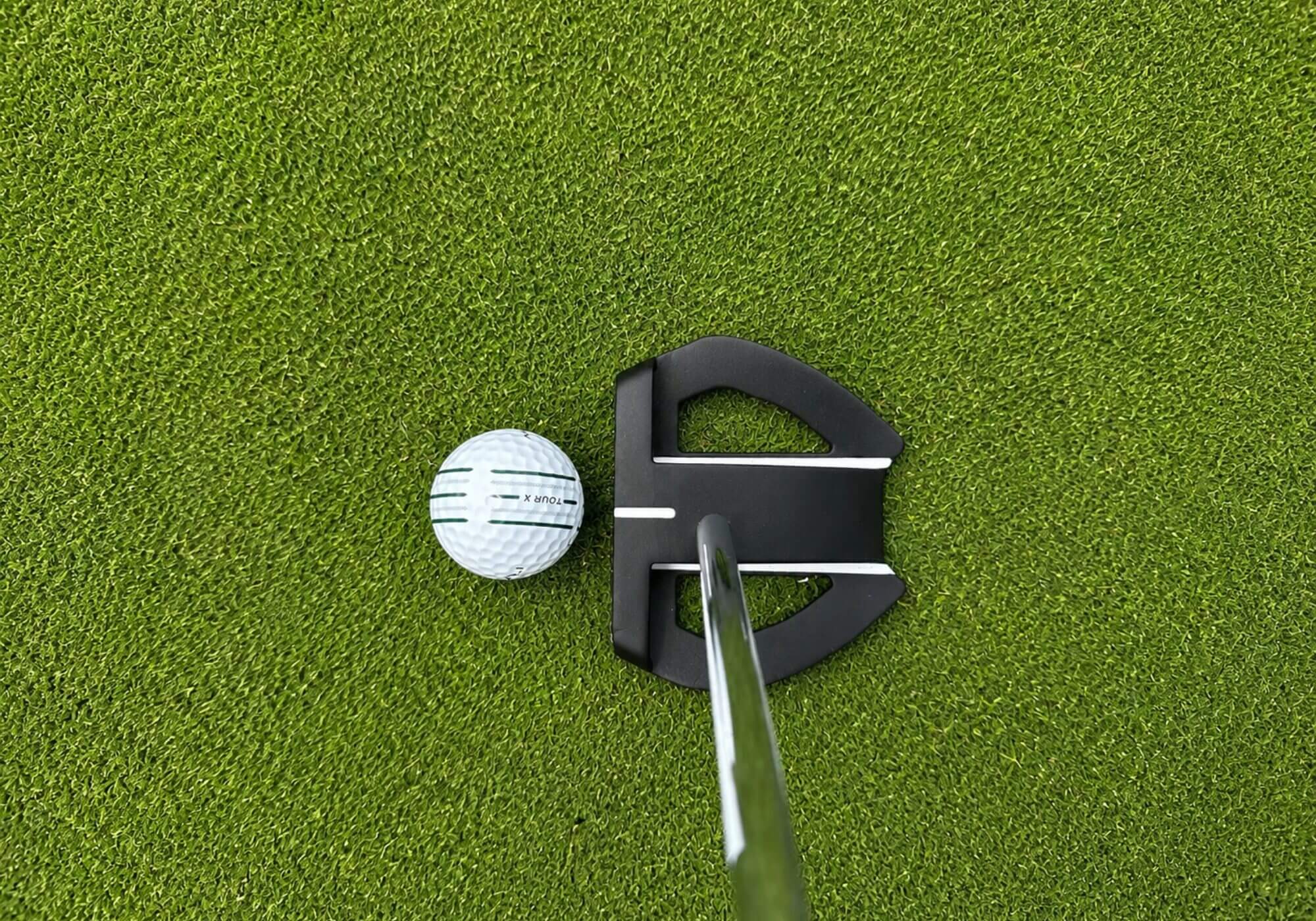
The ZT-1 is an insert-free, single-piece molded metal putter and it is genuinely surprising. Because there’s no insert, you know immediately—and I mean immediately—when you’ve missed the center. Toe hits and heel hits announce themselves. Center hits, on the other hand, feel incredibly pure coming off the face. That feedback loop is something a lot of golfers have never experienced from a putter at this price point.
Aesthetically, the ZT-1 is the stronger of the two. When PXG released the Hot Rod ZT this year, I thought it might be the best-looking putter ever made. The ZT-1 isn’t a dead ringer but there’s a similarity in the silhouette that I found genuinely appealing. For $200, it looks like it costs considerably more. The grip on the ZT-1 also deserves a mention: good texture and a taper that suits a claw grip particularly well.
My one real ask for Tour Edge: take a page from the PXG Hot Rod and run an alignment stripe all the way across the crown of the ZT-1. With that addition, this would be close to a perfect zero-torque putter at the $200 price point.
The ZT-4: Potential waiting to be unlocked
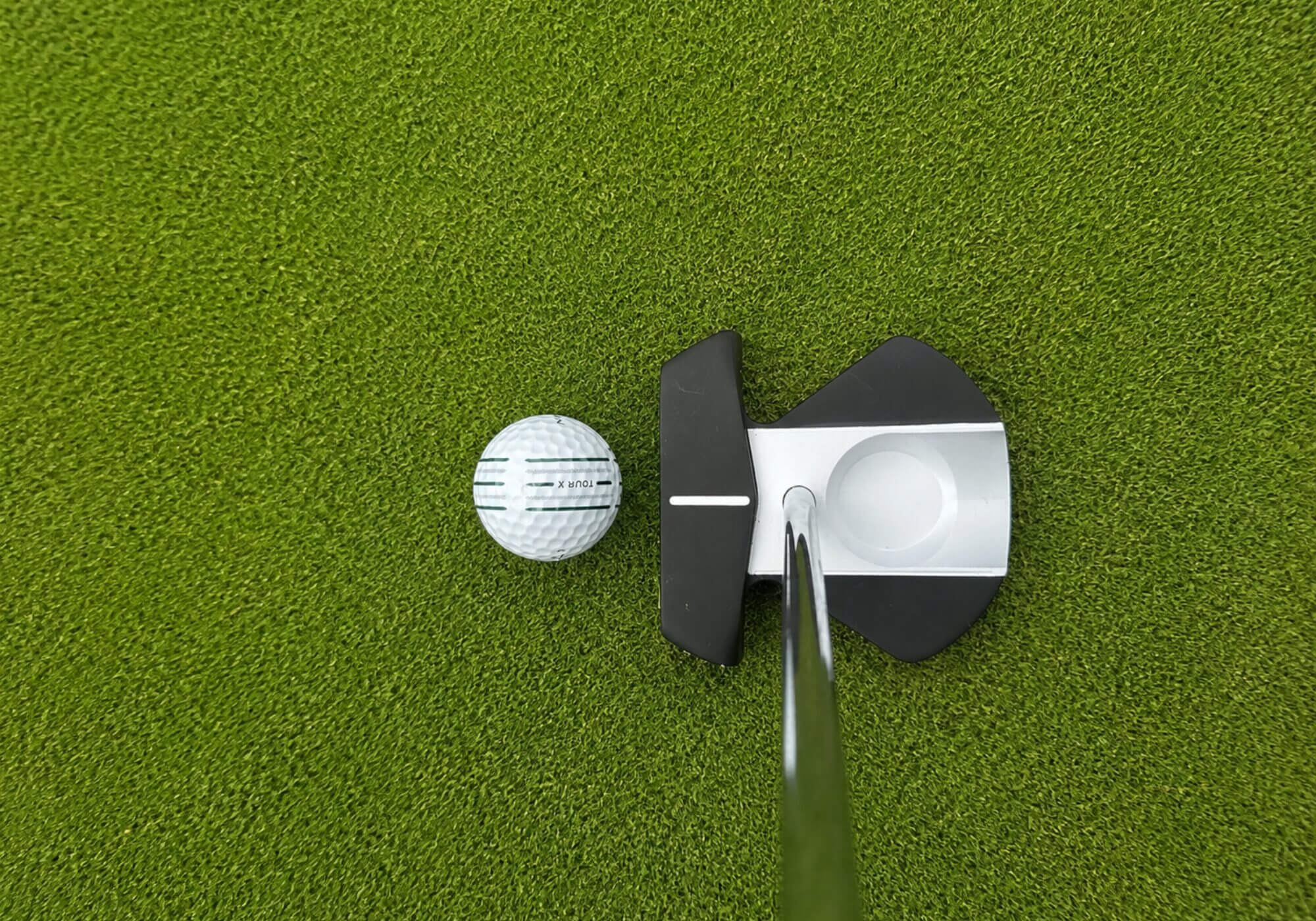
The ZT-4 is a different animal. At 38 inches with a counterbalanced design, it’s built for a different kind of golfer, and its TPU insert gives it a feel that’s reminiscent of the Odyssey White Hot: soft, muted, and easy to like. My gamer is the Odyssey Ai-ONE Cruiser 2-Ball Jailbird which I believe is the best-feeling putter ever made. The ZT-4 isn’t that but it rolls well and feels good.
Visually, the ZT-4 is the spitting image of the L.A.B. DF3. That’s not a knock on performance but the shape isn’t for everyone. Where the ZT-4 wins on looks is alignment: the True Path Stripe is high-contrast and genuinely useful. I use Maxfli Tour X Max Align Golf Balls specifically because visual alignment aids help me stay committed to my starting line so having a putter that reinforces that is a real plus.
There is a catch, though. The stock grip on the counterbalanced ZT-4 is a problem. It’s simultaneously sticky and slick, an unpleasant combination especially for anyone whose hands sweat during a round. It also won’t work for every grip style. As a left-hand-low claw player, I could never quite get comfortable with it. When I switched to the Garsen Quad Tour 17, the ZT-4’s potential opened up considerably. If you buy the counterbalanced ZT-4, plan on regripping it.
One complaint about both putters
The headcovers are not good. They are thin, the magnetic closures have a habit of coming undone while the putter is in the bag, and they look and feel like an afterthought compared to what other OEMs are shipping. I say this without exaggeration: anyone who buys either of these putters should budget for a replacement headcover. It’s an easy fix but one that shouldn’t be necessary at this price.
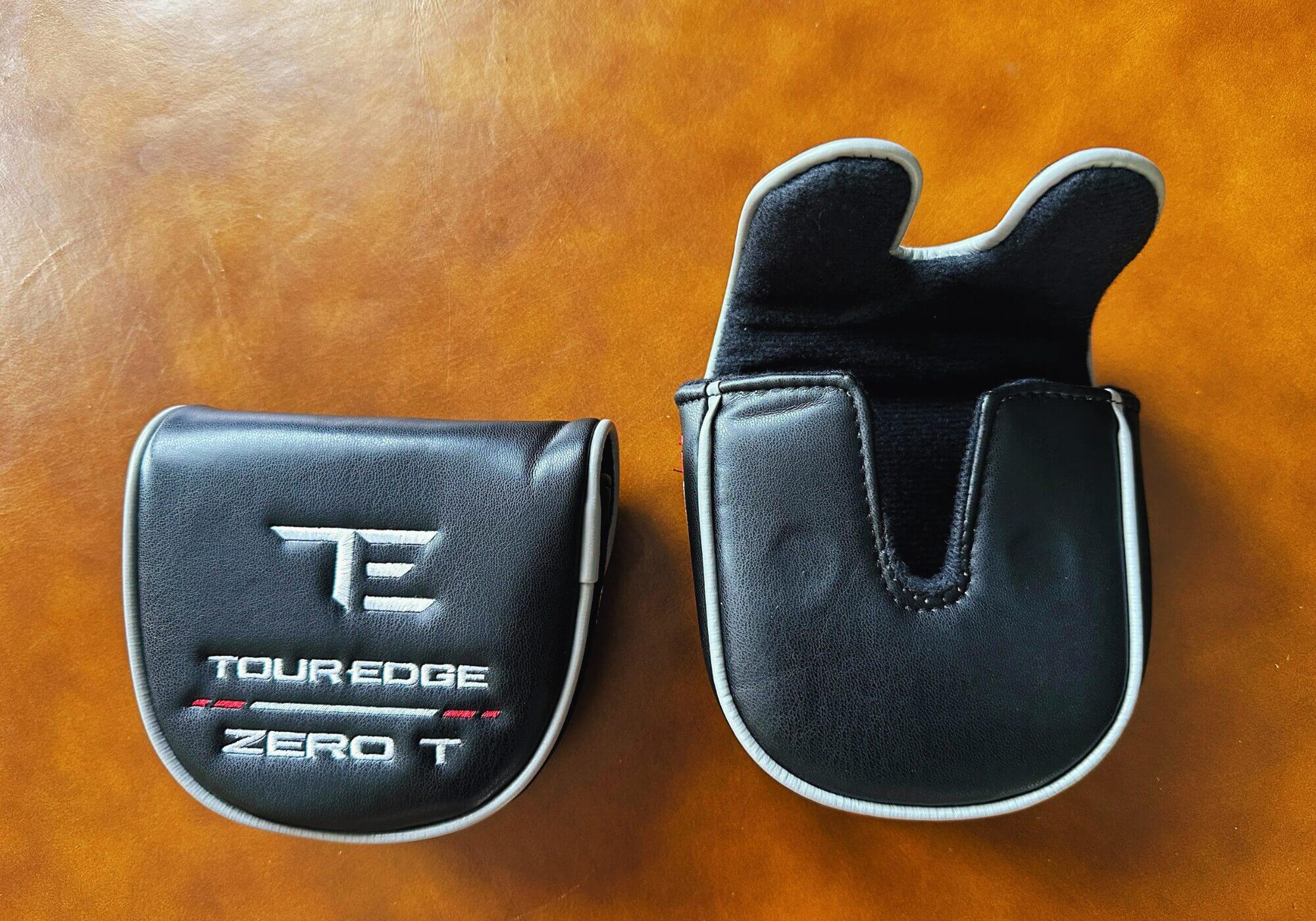 The headcovers for the Tour Edge Zero T putters are underwhelming.
What the data says and what my rounds confirmed
Here’s where it gets interesting. In the four rounds I played with both putters, I three-putted exactly once. Compared to even my 2-Ball Jailbird, I found it a bit easier to start these rolling on my intended lines.
That tracks with what the data tells us. The biggest advantage zero-torque putters show over mallets and blades isn’t at 20 feet. At distance, the three categories are closer than you’d expect. The gap opens most sharply at 12 feet. In our testing, blades posted a positive PuttView handicap at medium distances, meaning they performed worse than the baseline. Zero-torque putters averaged -3.30 at the same distance. That’s nearly a five-stroke gap on the putts that matter most—the ones you’re actually expected to make.
The Tour Edge Zero T putters weren’t part of our formal testing this year. But the zero-torque category, as a whole, has earned its data. My experience on the course with both the ZT-1 and ZT-4 didn’t contradict that. If anything, it reinforced it.
The bottom line
At $199, the Tour Edge Zero T lineup is one of the most accessible entry points into zero-torque putting on the market. The ZT-1 is the better-looking, more responsive option—a great fit for players who want tactile feedback and a traditional length. The ZT-4 is built for the counterbalanced crowd and once you get the right grip on it, it performs. Neither headcover is worth keeping.
If you’ve been on the fence about trying a zero-torque putter, the data is on your side. Tour Edge has made that leap easier than most.
The post I Tested a $200 Zero-Torque Putter. I Wasn’t Expecting This appeared first on MyGolfSpy.
Article Link: https://mygolfspy.com/news-opinion/i-tested-tour-edges-200-zero-torque-putters-heres-what-surprised-me/