
Before I started working here at MyGolfSpy, I had serious questions about golf ball performance.
You’ve probably shared similar sentiments.
“I’m not good enough to play a good ball” or “a ball can’t make that much of a difference” are the two that echoed through my head.
But now that I’ve been a part of our (now) annual Golf Ball Test presented by UNRL, my skepticism has been converted to a die-hard belief that the golf ball you play matters. Much more than you think, I might add.
After spending five consecutive days teeing up ball after ball on a swing robot this summer, I noticed a few things I think you’ll find interesting. Please indulge me as I share some of the things that converted me to the church of golf ball performance. It will be worth your while, I promise.
Seeing Is believing
Let’s start here. Anyone can say a golf ball does something. Every manufacturer claims their ball does this or that. Almost every golf media outlet is happy to report that a golf ball might perform in a certain way.
But at MyGolfSpy, we KNOW golf balls perform a certain way. Why? Because our industry-leading testing puts them on a robot and we publish that objective data.
As a result, I learned very quickly that what someone says about a golf ball can be drastically different than what actually happens when a golf ball is hit. In that way, seeing is believing.
Rather than trusting the marketing blurb on the back of the box, MyGolfSpy puts every golf ball to the test with a robot to confirm or refute performance claims. With that said, here’s what I now know to be true about golf ball performance.
Golf balls, especially those with ionomer covers, perform differently when wet
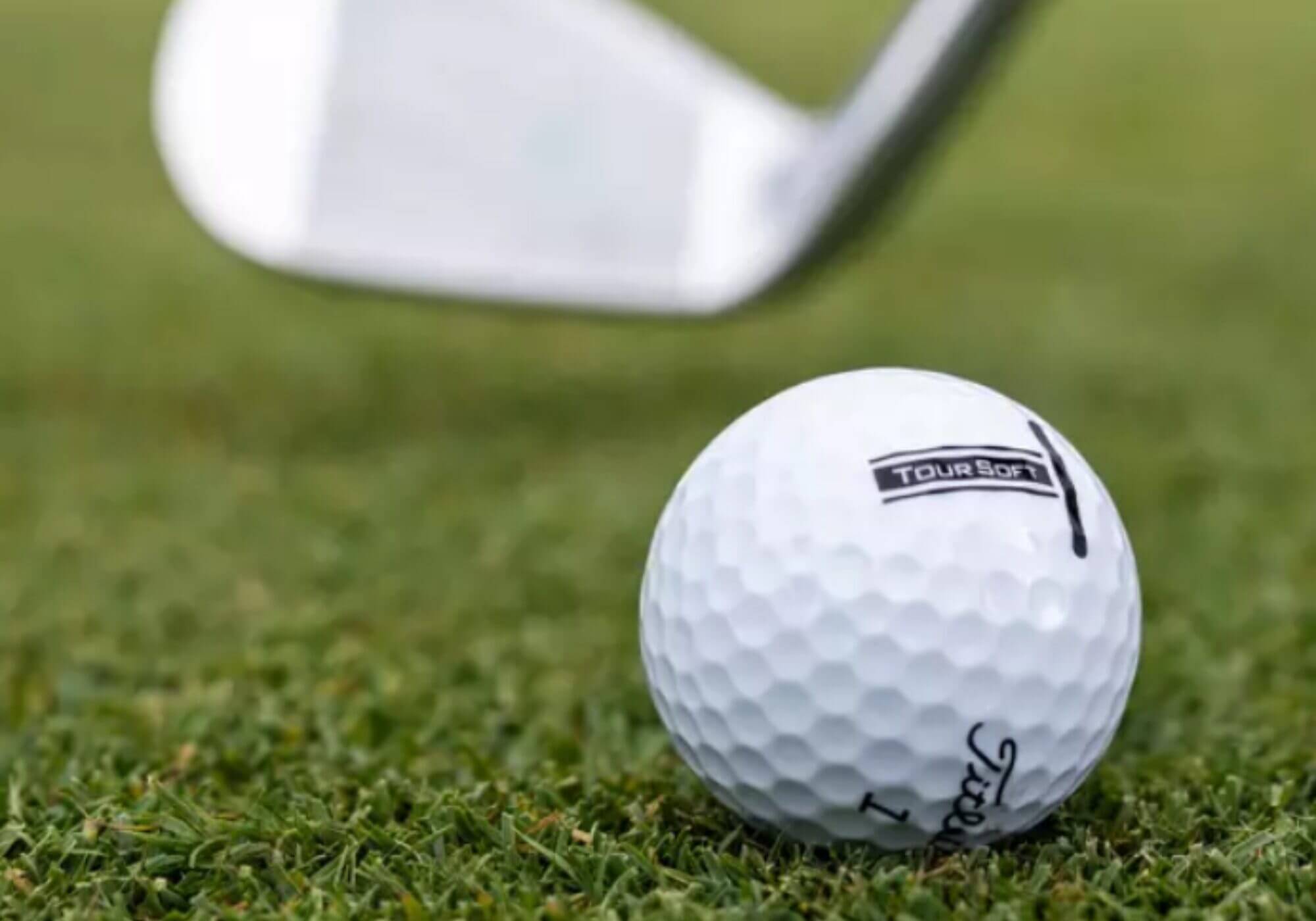
Hardly anyone considers wet performance when it comes to golf balls.
It’s impossible to refute the impact that moisture has on ball performance when you see a golf ball lose nearly 70 percent of its spin on a wedge shot, all because of a little water.
Recently, I played The Cradle short course at Pinehurst with some really good golfers. It rained for most of the afternoon. My playing partners were shocked when our Titleist Tour Soft golf balls struggled to spin and stop on the greens. They had no idea that the cover was the culprit.
Confirmed on the robot and in the real world: ionomer spins less when wet.
A bad ball can cost you serious distance off the tee
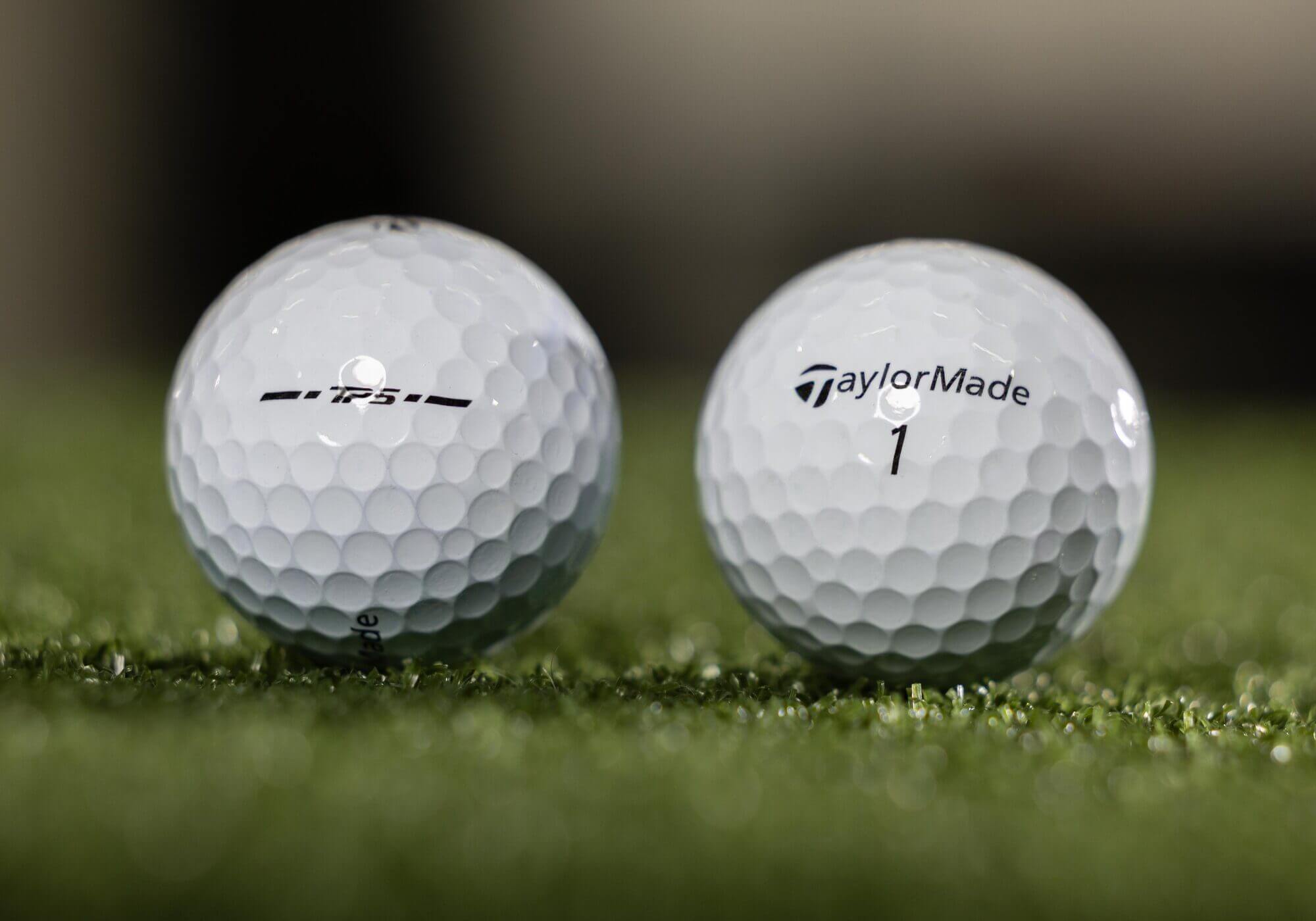
You don’t realize how much shorter some golf balls are until you see them come off a robot at 100 miles per hour. It’s crazy standing downrange and watching a dozen premium balls land 15, 20, even 25 yards shorter than their competitor. Yet we see those kinds of distance gaps every year when we test golf balls.
Think about it. How much of a disservice are you doing yourself by playing a ball that’s that much shorter off the tee?
Golf ball consistency is a real thing

You know what’s even more fascinating than some premium golf balls being shorter than others? Watching golf balls from the same box have drastically different ball flights.
One ball from the box launches dead straight, the next one takes a nosedive. I know it’s real because I’ve seen it. It is, after all, why we started our Ball Lab in the first place (which we’re looking to kickstart again, hopefully next year).
Who knew golf balls in the same box could be so inconsistent that they perform like they’re long-lost cousins rather than same-dozen siblings?
Call me a convert
Call me a golf ball convert. After seeing what I’ve seen, it’s impossible to ignore what impact your choice of ball has on your game.
The thing that’s helped my game the most the last three years? Choosing one golf ball that has proven to test well and sticking with it.
You should try it.
And if you don’t know where to start, head over to our full, industry-best golf ball test and give it a thorough read.
The post I Was A Non-Believer But After Robot Testing Golf Balls For 5 Days Straight, I’ve Seen The Light appeared first on MyGolfSpy.