
In so many ways, Srixon and Mizuno are a crazy pair.
It’s almost like they’re cousins. Identical cousins all the way.
Want to start a bar fight at any 19th hole in golf? Boldly proclaim one company’s irons feel way better than the other. The fisticuffs will be on faster than you can say Patty Duke.
However, when it comes to drivers, those cousins are two of a kind. They laugh alike, they walk alike, at times they even talk alike. You could lose your mind. In the real-world market share battle, both are in that purgatory known as “Other.”
Folks, it’s not for a lack of trying or know-how. Mizuno has something with its new Nanoalloy Face Technology. Yes, there were first-year stumbles but we think there’s something to it. Srixon is also taking a new approach to its face technology and you know what? There might be something there as well.
So, the question on the floor today is this: Can Srixon’s new ZXi RKT line, specifically its new RKI Face Technology, finally push Srixon into the discussion for your next driver?
If our early testing is any indication, it’s a question worth asking.
Srixon ZXi RKTdrivers: What’s the buzz?
We’ve told you this before but Srixon-Cleveland-XXIO does the best job in the industry of presenting its new releases. It provides detailed product manuals and in-depth information on all its latest technology and it presents it in easy-to-understand language for us media types.
The new ZXi RKT product manual leads with marketing language sure to make any golfer’s heart tingle.
Raw Power, Pure Sound.
Gee, I like that.
Power you can feel and hear.
I like that even better.
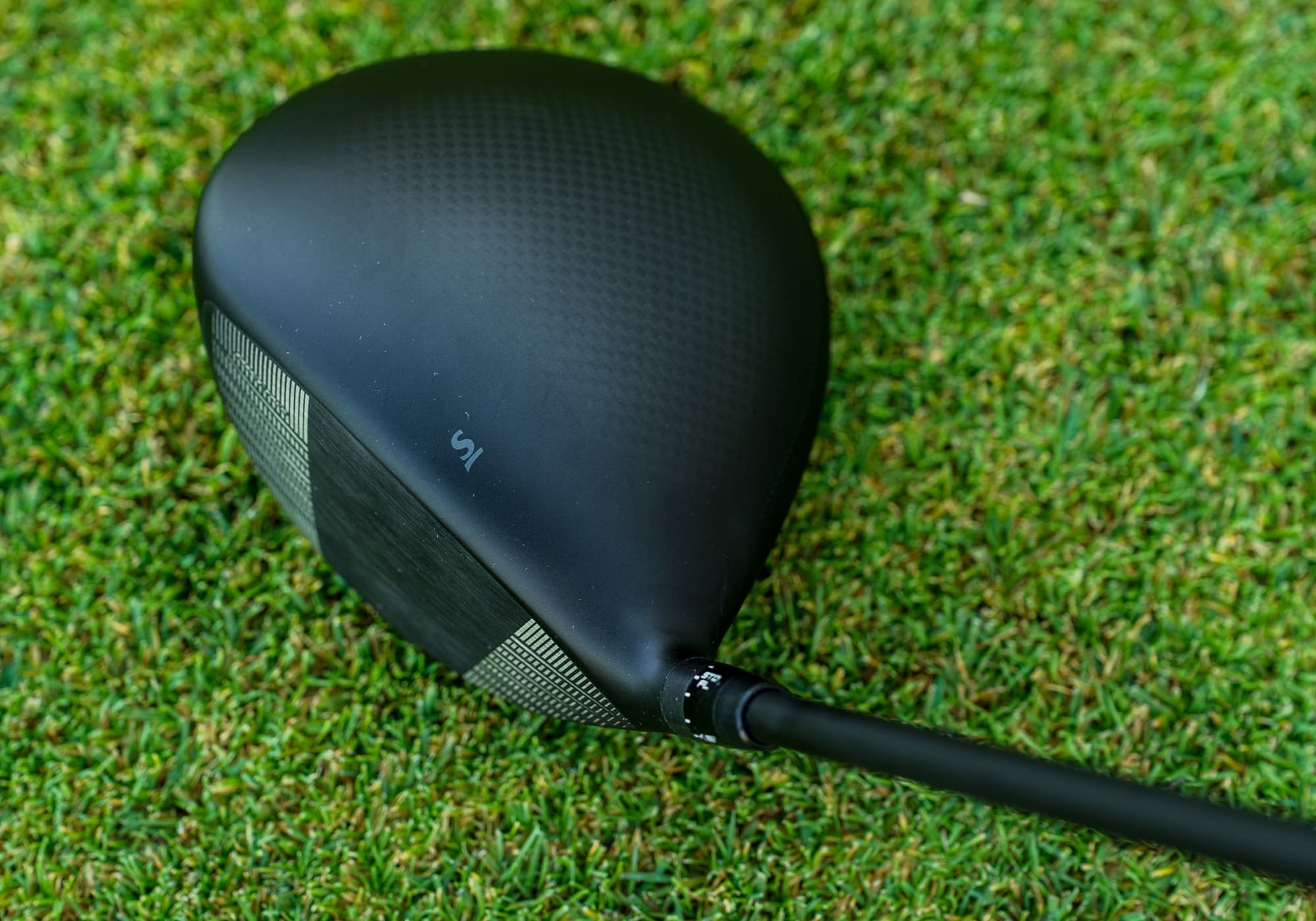
Over the years, Srixon drivers have been decent enough ball-speed providers. Others have been faster but from a ball-speed standpoint, they do the job. What we’ve found in the past, however, is that they sound, well, not great. Clanky. Tingy. Clacky. Whatever adjective you choose, that’s how they’ve sounded. It wasn’t NIKE Sasquatch horrible but there wasn’t enough overall performance to make you want to overlook it.
If nothing else, Srixon has (mostly) fixed that. The ZXi RKT line are the best sounding/feeling drivers Srixon has launched in at least the past decade. Our early testing also shows that Srixon may have taken the next step in ball speed with its new RKT Face and a new proprietary face material.
Titanium and … silicon?
I’m not sure there’s been an OEM making better use of its in-house metallurgy experts than Srixon-Cleveland-XXIO. In the past two years, we’ve seen a completely new wedge material (Z-Alloy) and a new forging technique (i-Forging). Both have produced meaningful performance gains.
The new ZXi RKT drivers feature another brand-new and proprietary alloy called VR-Titanium. According to Srixon, VR-Titanium is enhanced with silicon which creates more strength and flex through the driver’s face and body. That added strength and flex allow Srixon to make its i-FLEX variable thickness face structure (AI-designed, of course) markedly thinner.
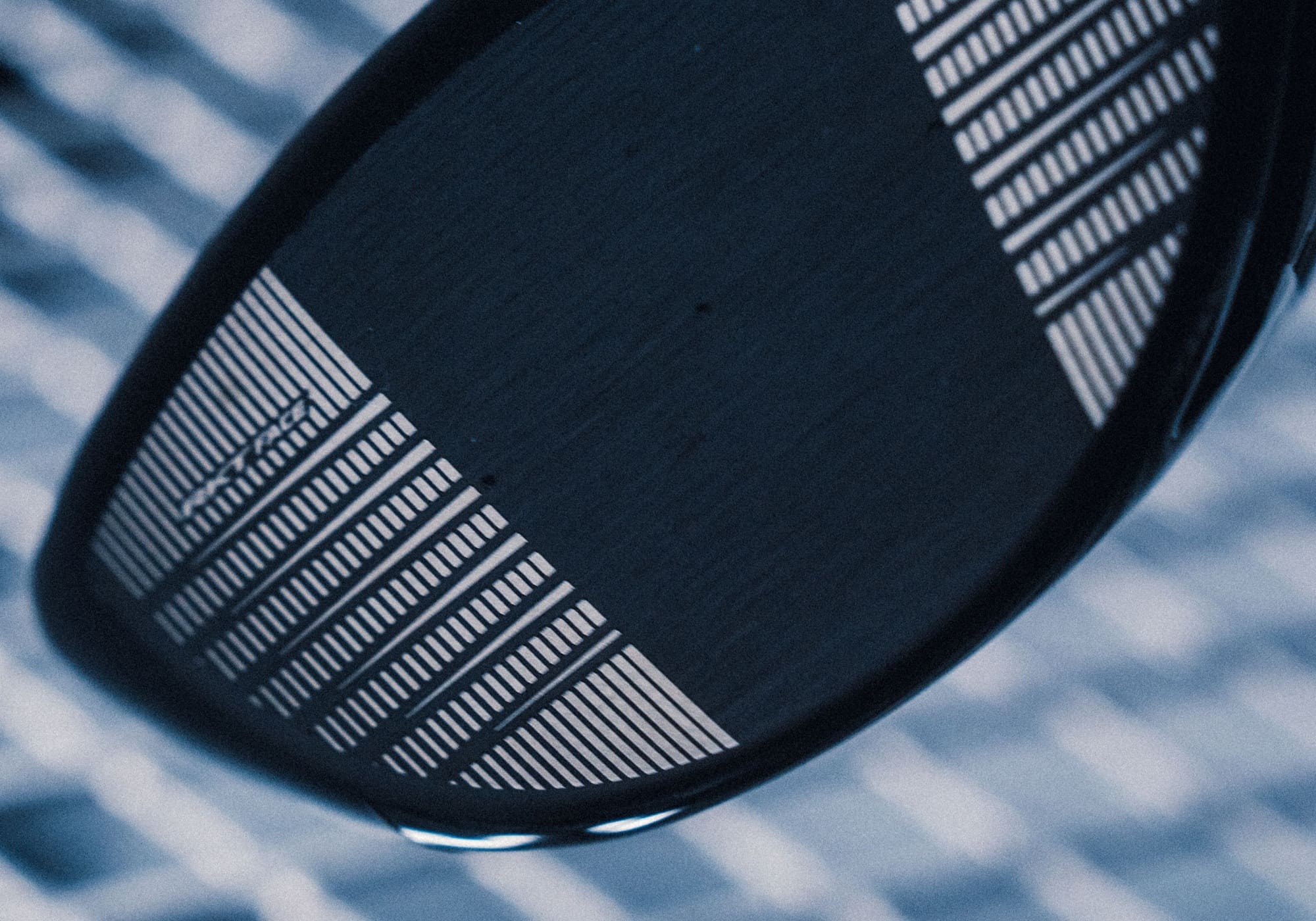
As any good GolfSpy knows, thinner AI-designed faces are faster over a wider area of said face. That should, in theory, help Srixon narrow the ball-speed gap it experienced in our mid- and fast-swing speed testing.
“RKT Face was developed to answer that challenge,” says Srixon Tour Engineering Manager Patric Ripp. “By combining several technologies into a single performance system, we’re able to create a face that not only produced exceptional ball speed but does so more consistently over a wider range of impact locations.”
Srixon leaned heavily into its PGA Tour staff to develop the new ZXi RKT line. Each of the three driver models (Max, core and LS) feature deeper faces with taller heads to expand the hitting area high on the face. The last time they tried that, they gave us the HiBore XL, aka “the Bombing Dorito.”
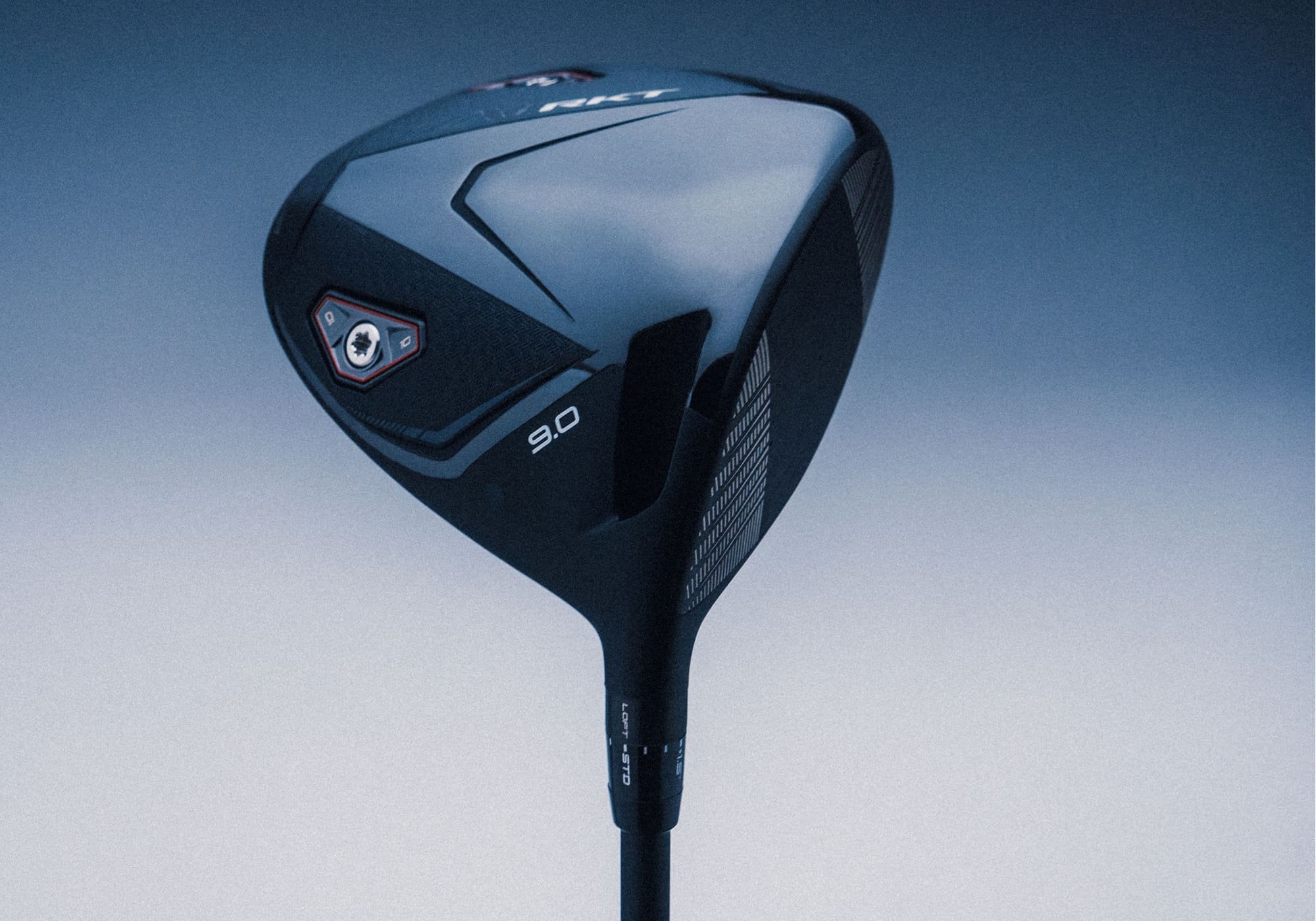
That Srixon was able to do pull it off this time while also delivering a cleaner, compact-looking player-preferred look is nothing short of remarkable.
Meet the new Srixon ZXi RKT drivers
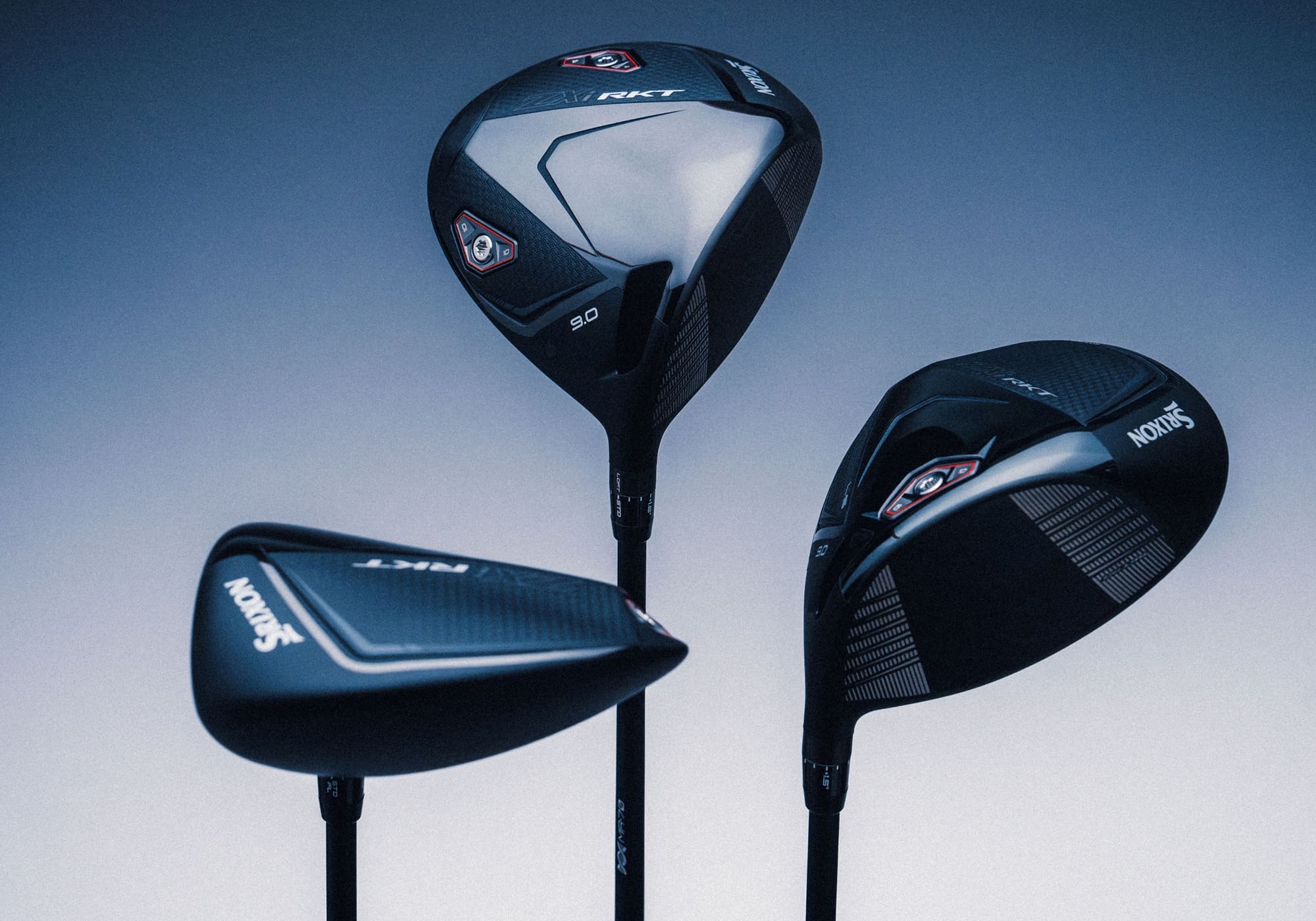
The new Srixon ZXi RKT lineup features three industry-standard driver models. There’s the core model ZXi RKT, the more compact and low-spinning ZXi RKT LS and the high-MOI ZXi RKT Max.
The ZXi RKT core model is shorter front to back than the 2025 model with a noticeably deeper face. It features swappable sole weights on the heel and toe. With the 10-gram weight in the heel and four-gram weight in the toe, the new ZXi RKT is slightly draw-biased. Switch them and it becomes slightly fade-biased. Srixon also offers multiple sole weight options that can provide up to 15 yards of right-to-left adjustment. That alone should make it a fitter’s dream.
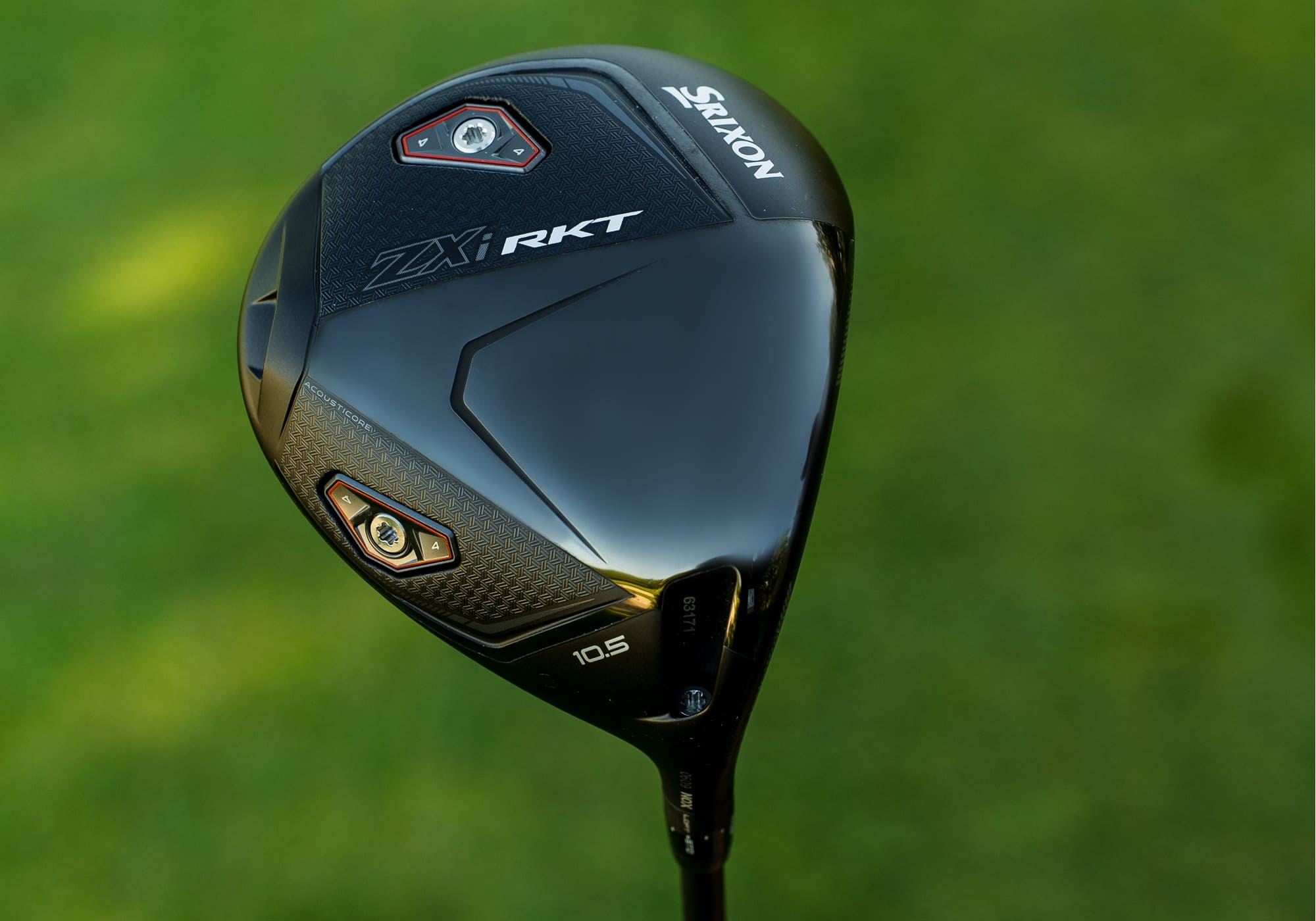 The Srixon ZXi RKT “core” model driver features swappable heel and toe weights for draw or fade shot shape bias.
The ZXi RKT LS features front and rear adjustable weighting. It, too, is shorter front to back than the 2025 model with a deeper face. It’s more pear-shaped than its ZXi brothers and sets up just a skosh open. The standard weight configuration is for pure ball speed with the 10-gram weight in the front and the four-gram weight in the back. That creates a penetrating ball flight with low spin for faster swingers. Swap the weights and you increase spin by around 180 rpm and increase launch angle which can help performance if you don’t swing it 110 mph. We had some fun with this one in testing.
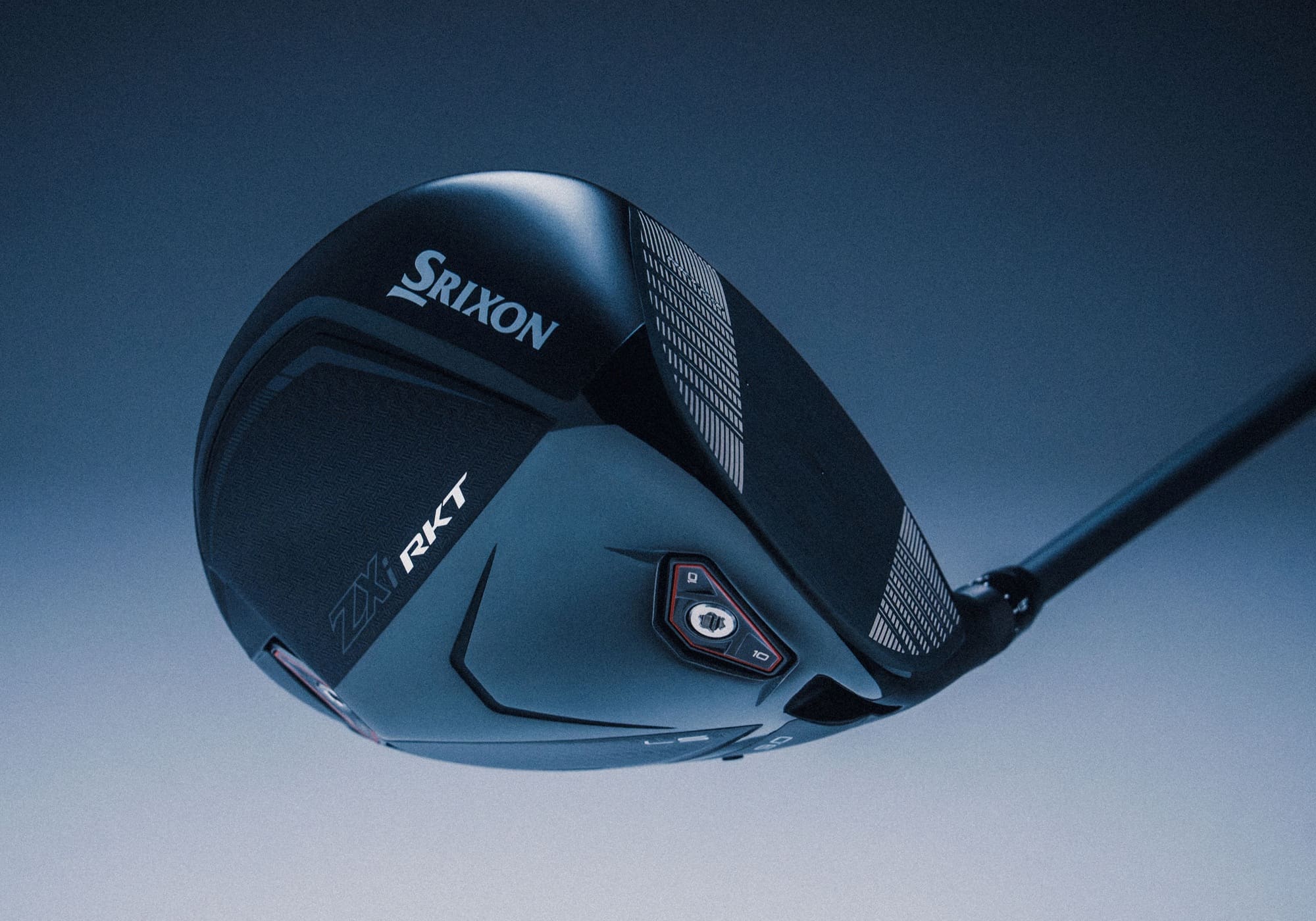 Swapping the front and rear weights in the ZXi RKT LS driver changes spin and forgiveness, adding to its versatility.
The ZXi RKT Max might be the most interesting of the bunch. Srixon says it’s the highest MOI driver the company has ever made. It doesn’t qualify as a “10K MOI” driver but, hey, it’s close enough. The Max also has a deeper face than the 2025 model but it’s actually longer front to back. It features a slight draw bias and a rear weight that’s adjustable for swing weight and MOI only.
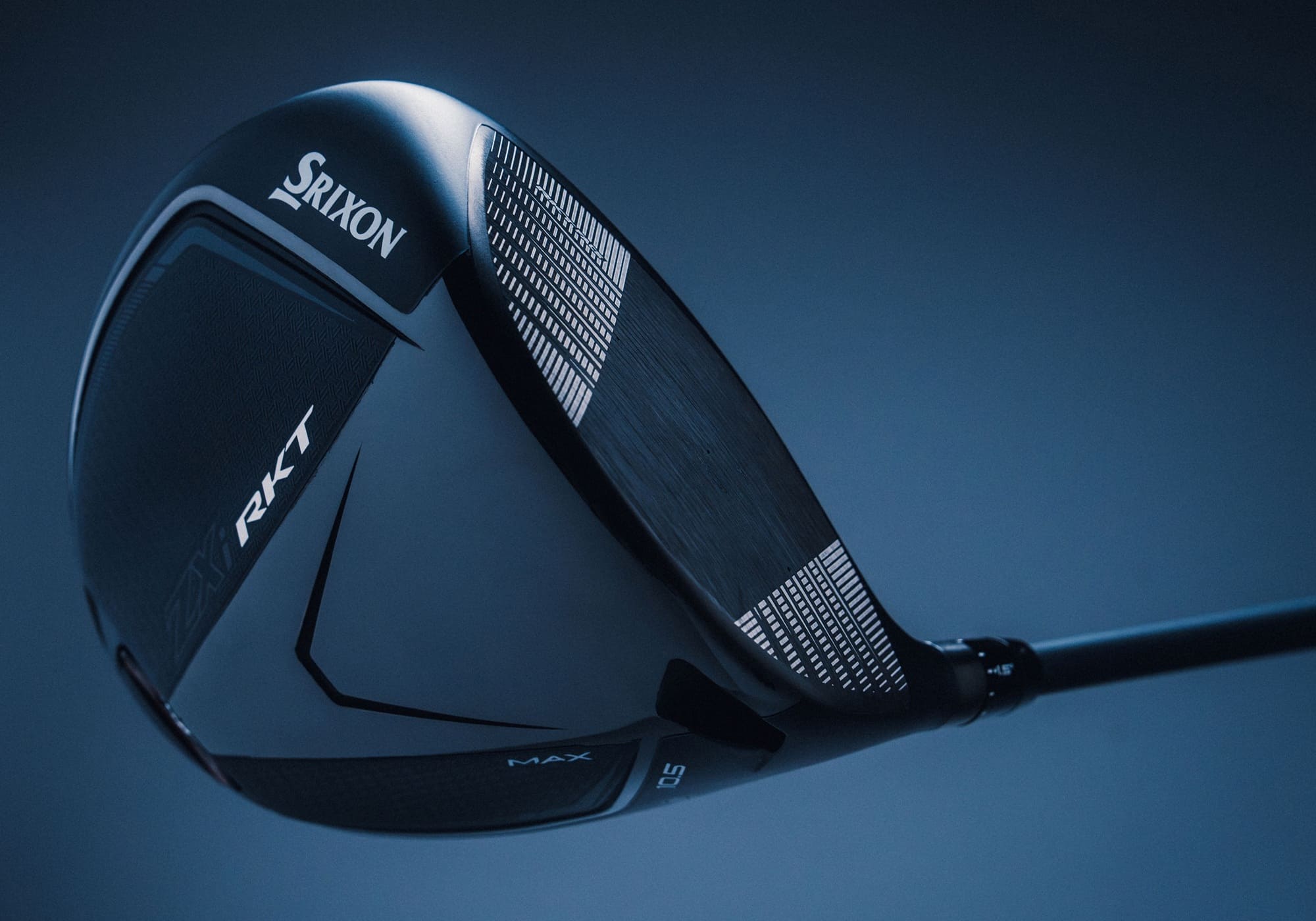 Srixon says the new ZXi RKT Max is the highest MOI driver it has ever made.
Quietly making noise
As we said, sound and feel have not been Srixon’s driver calling card. When you consider Srixon’s iron sound and feel, that’s kind of hard to fathom.
Srixon obviously recognized the problem and is tackling it head-on with its new ACOUSTICORE chassis. Acousticore (I’m only capitalizing it once, a man has to take a stand) adds AI-optimized internal rib structures to its carbon crown and sole pieces to tune the acoustics of each model. According to Srixon, it leveraged advanced simulations and modal analysis to clean up the sound.
Based on our limited indoor and outdoor testing, we can say it has (mostly) succeeded. The ZXi RKT line still isn’t the most muted sounding driver out there but sound has improved to the point where it’s not objectionable. I’d classify it as “crisp,” trending toward “solid.” Any less crisp and it would trend toward “clinky.”
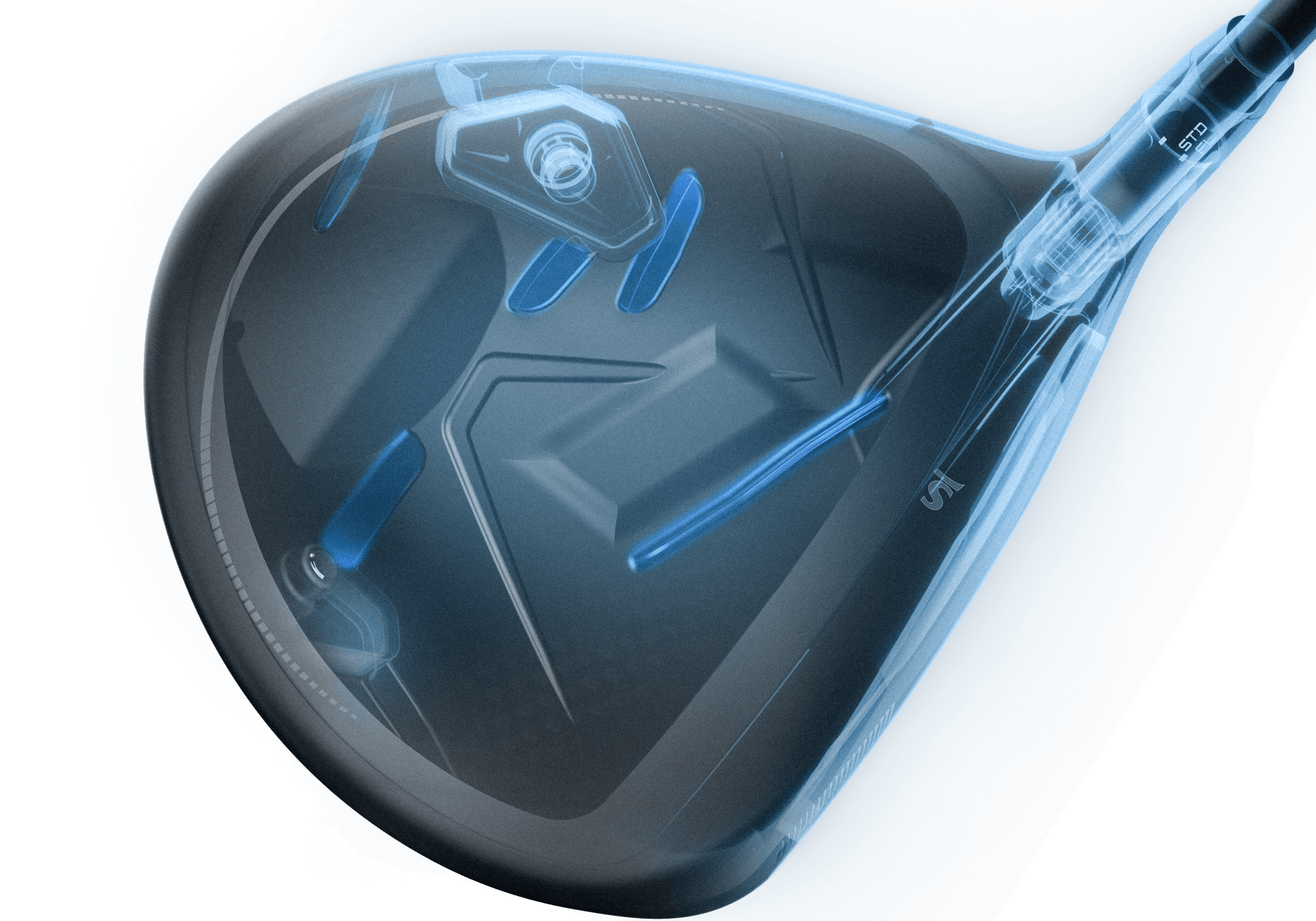 AI-designed internal ribbing gives Srixon’s new driver a badly needed improvement in sound.
Not necessarily sound-related, but all three drivers also include Srixon’s signature Rebound Frame technology. Rebound Frame features alternating stiff and flexible zones in the driver frame. That helps with, for lack of a better word, the driver’s trampoline effect. It adds a little more “boing” to the think RKT face.
Additionally, Srixon is touting what it calls a “Variable Roll Design” for its faces. It’s an adjustment to face curvature designed to maximize accuracy when you miss the center, particularly keeping high-toe strikes from hooking into the next county. If that sounds like “Twist Face” to you, you’re not wrong.
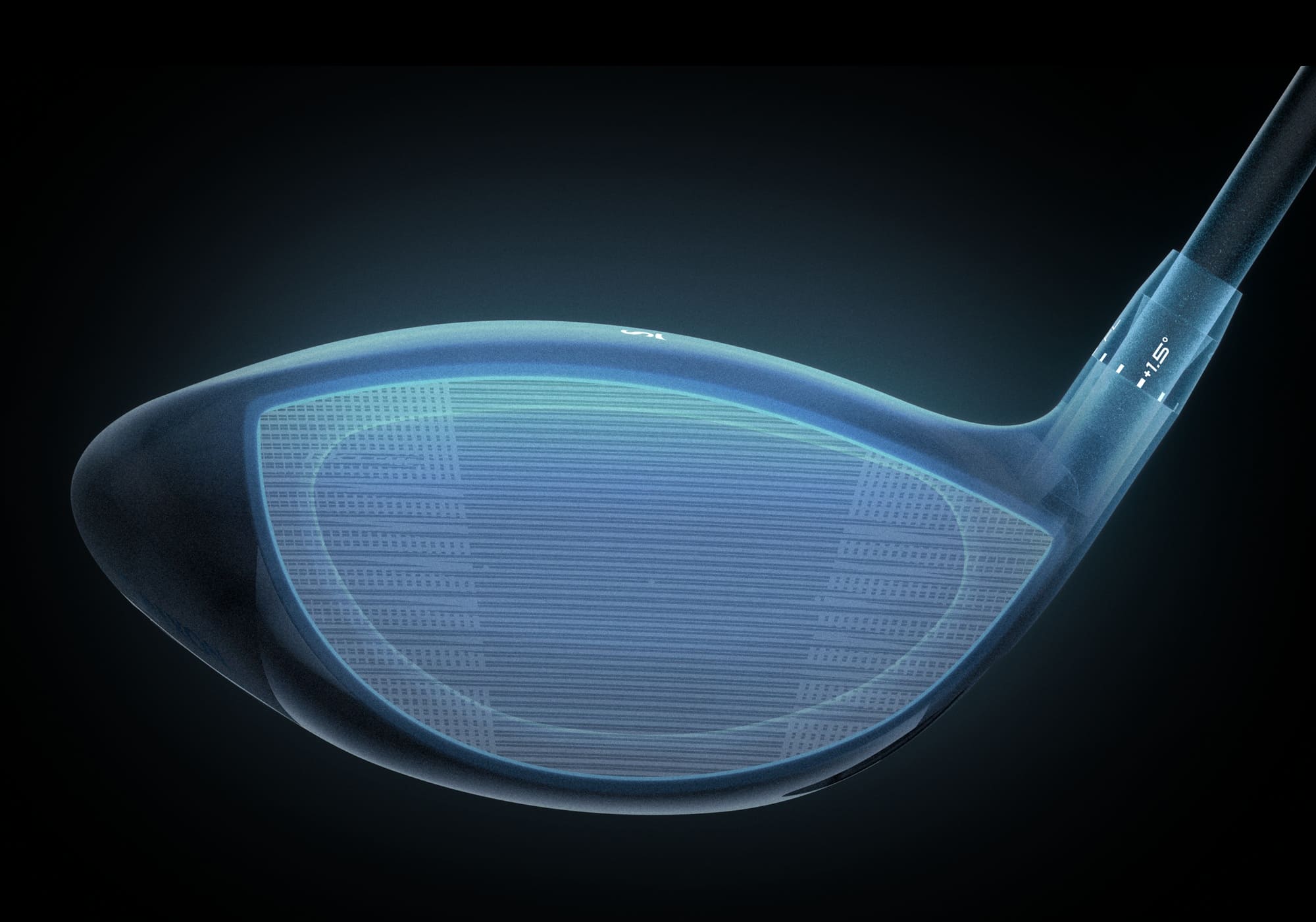 Srixon says Rebound Frame adds speed and Variable Roll Design adds accuracy to the ZXi RKT driver lineup.
Srixon ZXi RKT drivers: Some interesting results
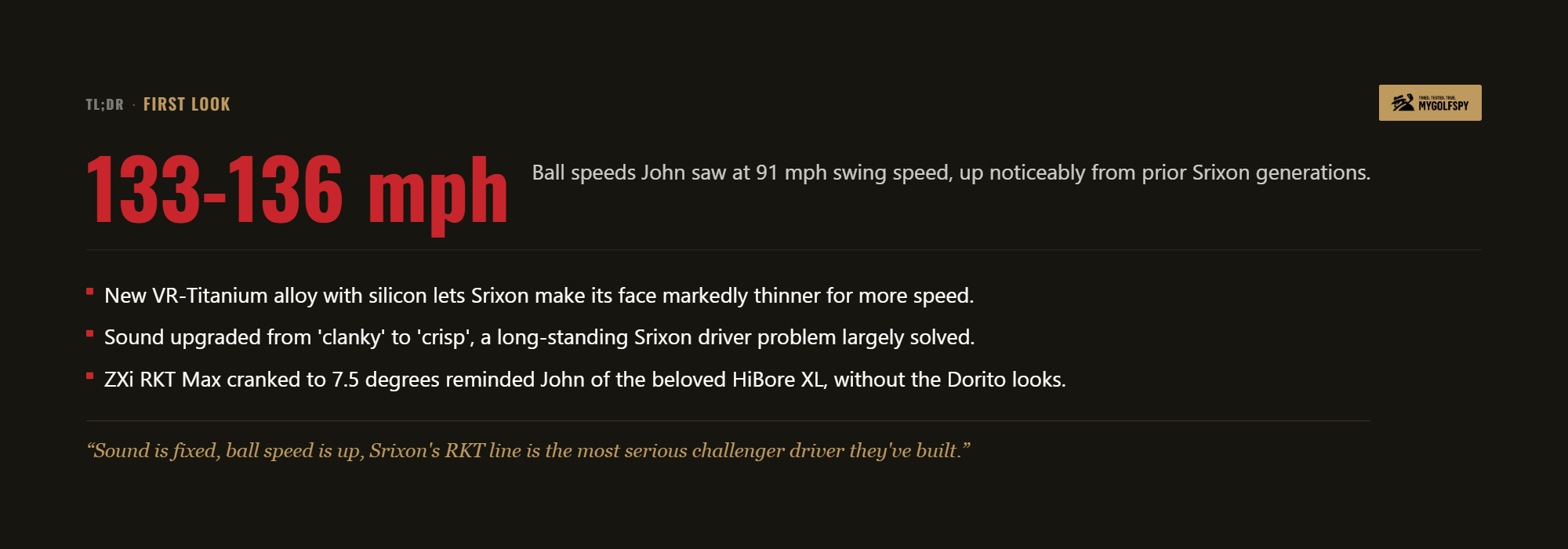
While all this is “unofficial” and “informal,” we can tell these new Srixon ZXi RKT drivers will challenge your assumptions a little. First off, ball speed is noticeably improved. I was routinely seeing ball speeds in the 133 to 136 mph range with a 91-mph swing speed with all three models. Additionally, I’d say there is something to that Variable Roll Design as I was finding simulated fairways with more consistency than normal.
While the core ZXi RKT was decent enough, we did have more fun with the LS and MAX models. With the heavy weight in front in the LS, I needed at least 10.5 degrees of loft to create enough spin for acceptable performance. However, with the heavy weight in the rear and loft adjusted to 10 degrees, the thing was a consistent bomber.
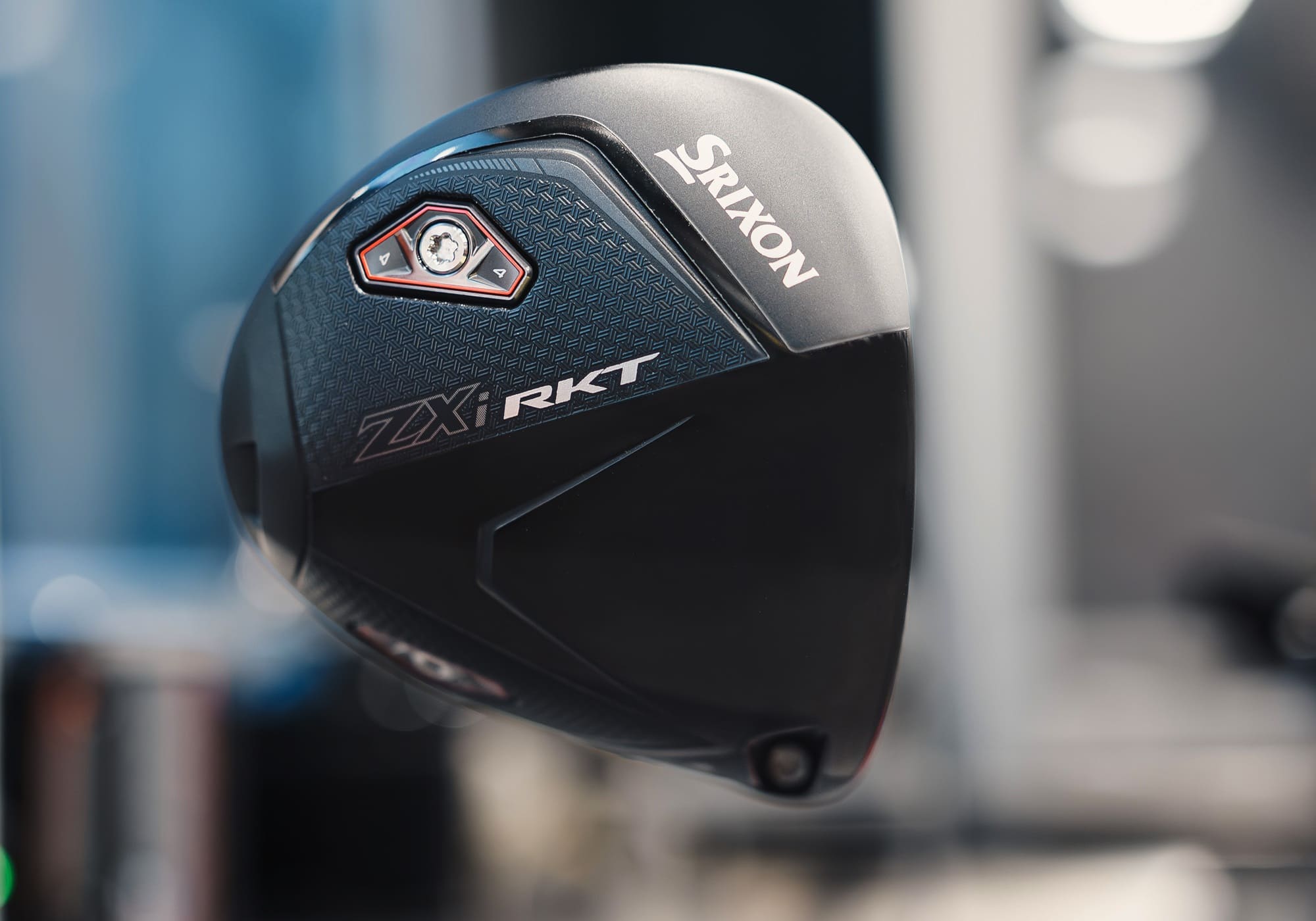
The Max might have been the most interesting. It’s designed for high launch and “mid-spin,” (Srixon’s description). It ballooned way too much for me at the standard nine-degree loft setting. However, when cranked down to a crazy 7.5-degrees, the thing turned into a bomber.
In fact, its ball flight and consistency reminded me very much of my beloved Cleveland HiBore XL without it looking like a Dorito. When Cleveland introduced the HiBore, its stated design goal was to create a driver with as deep a face as possible for maximum forgiveness while staying withing a 460cc footprint. AI spit out the triangular HiBore.
Now, a couple of years later, the Srixon ZXi RKT Max features a face nearly identical in size to that of the HiBore with all the built-in forgiveness. The biggest differences are in clearly enhanced ball speed and the fact that it doesn’t look like a Dorito.
Final thoughts on the ZXi RKT drivers
That Srixon is still on the outside looking in at the driver market isn’t for lack of trying, that’s for sure. The company says R&D for this generation basically tore everything down to the studs and started fresh, leveraging its Tour staff for help.
The new approach certainly helped Shane Lowry. He blitzed the field at the Irish Open, winning by 11 strokes at 23-under. Lowry gamed the ZXi RKT LS and, according to DP World Tour stats, gained nearly half a stroke per round off the tee with it. His final-round 63 started with a 349-yard bomb on the first hole.
While it’s difficult for a challenger brand to grab a seat at the head table at the annual Driver Market Share Awards Banquet, it’s not impossible. Expectations, however, need to be tempered. Titlest, PING, Callaway and TaylorMade will top sales in 2027. We’d bet the ranch on that. What will be interesting is seeing who emerges as the dark-horse candidate. In 2026, it was Tour Edge. These new Srixons are, at this stage of the race, an intriguing early contender.
Srixon ZXi RKT Drivers: Specs, price and availability
The Srixon ZXi RKT driver line features three stock shaft selections designed to match head profile. The core model features the Mitsubishi Kai’Li Dark Waves Blue 60. Mitsubishi classifies it as mid-launch, mid-spin with a tapered butt section and consistent stiffness throughout the profile.
The LS, as you’d expect, features the Kai’Li Dark Waves White 60. It’s low-launch, low-spin with a firm tip. The ZXi RKT Max uses the high-launch, high-spin Kai’Li Dark Waves Red CB 50. Its counter-balanced with additional material in the butt section for more weight under the hands. The Max is also available in a lightweight version for slower swingers, featuring the Mitsubishi Bassara PL 40.
The Golf Pride Tour Velvet 360 grip is standard.
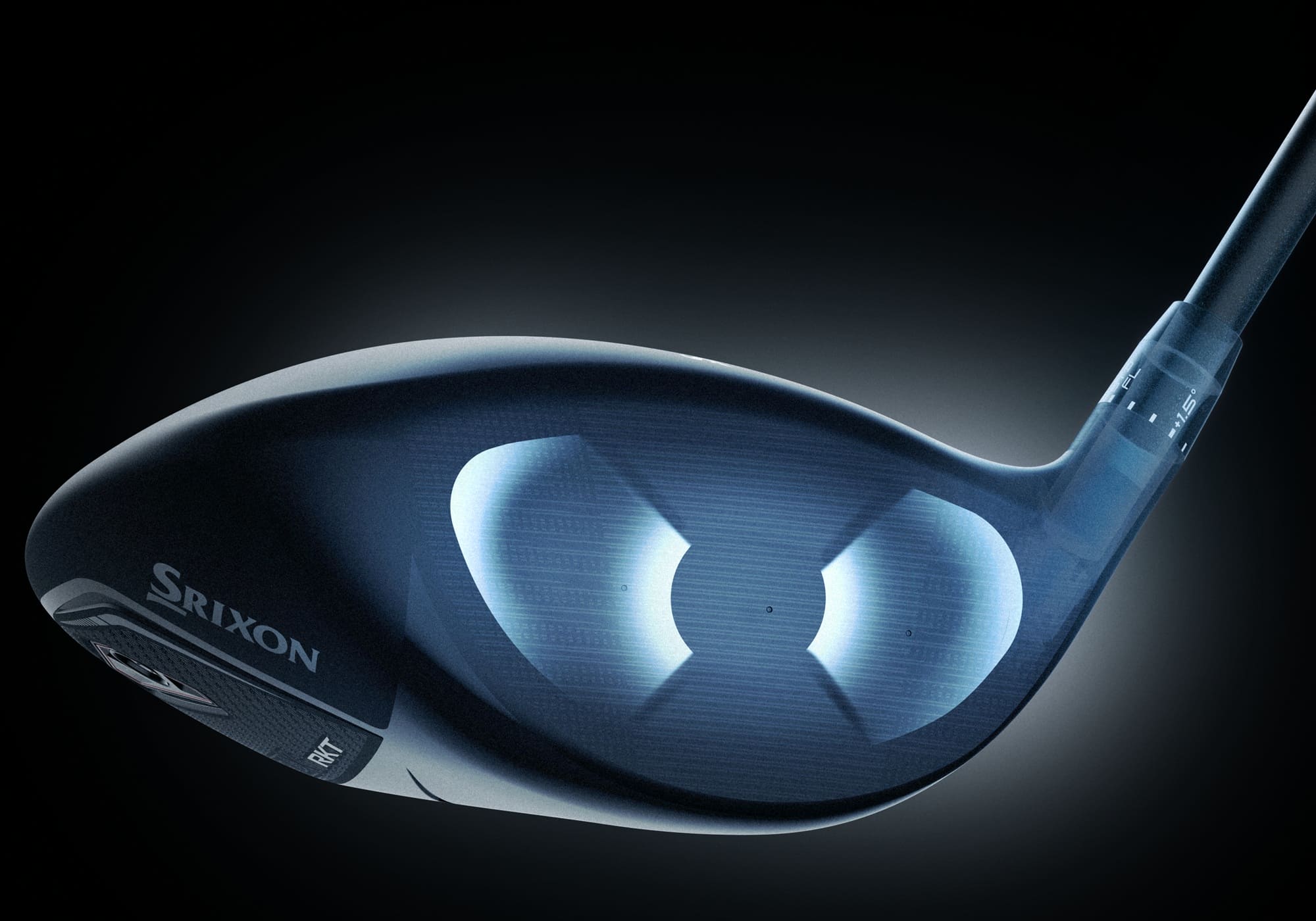 i-Flex is Srixon’s take on variable face thickness
The line also features Srixon’s recently revamped adjustable hosel. Each driver can be loft-adjusted up or down 1.5 degrees in half-degree increments. Lie angle can also be adjusted in half-degree increments from standard to three degree flat. Face angle adjustments are in one-degree increments from three degrees closed to three degrees open.
The ZXi RKT core driver is available in nine- and 10.5-degree models in left- and right-handed models. The LS comes in eight-, nine- and 10.5-degree lofts for righties and nine degrees only for lefties. The Max will be available in nine, 10.5 and 12 degrees for righties and 10.5 only for lefties.
The lightweight Max is 12 degrees, right-handed only.
The ZXi RKT driver lineup will retail for $649.99. They hit retail on Oct. 16.
For more information, visit the Srixon website.
The post Is This The Year Srixon Makes The Driver Leap? appeared first on MyGolfSpy.
Article Link: https://mygolfspy.com/news-opinion/is-this-the-year-srixon-makes-the-driver-leap/