
The G450 MAX, LST and SFT are the one-for-one replacements you’d expect. The G450 MiniMax is the long-awaited arrival of a PING mini driver.
It’s that time of year. Pre-release SZN is in full swing and new drivers are turning up on the USGA conforming list almost weekly. So it’s anything but unexpected that PING’s next-generation G450 drivers have made their USGA debut … right on schedule.
What golfers might find most intriguing is the fourth listing: the G450 MiniMax which suggests PING is finally ready to join the mini driver party.
Let’s start with the mini
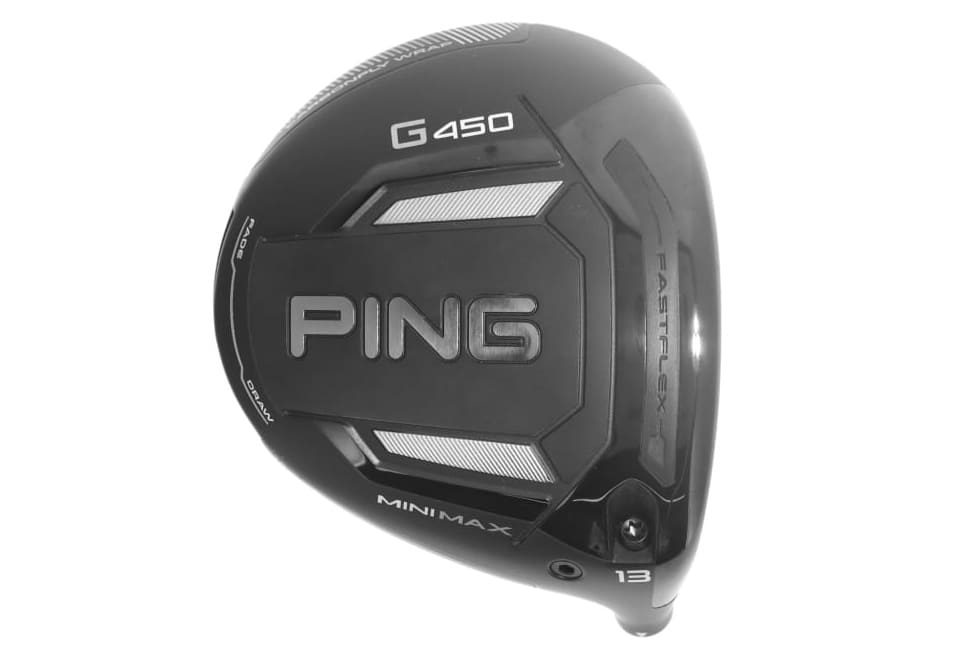
Although the G450 MiniMax makes sense, I’d argue it’s a little late. A PING mini prototype has been on tour for nearly a year and with TaylorMade, Callaway, Titleist, COBRA and pretty much everyone else already on the shelves, PING is the last OEM of consequence without a mini in its retail lineup.
To be clear, PING hasn’t ignored golfers who want something more controllable than a driver. Its answer has been the “thriver” (or the macro driver as PING’s Marty Jertson has called it and as I will continue to call it because I like it). The recipe is simple: take a full-sized driver head (PING recommends starting with a 12-degree MAX) and build it to 3-wood (43.5″), 5-wood (43″) or even 7-wood (42.5″) length. The logic behind it is simple. If you hit your 3-wood off the deck with any regularity, keep it. If you don’t, a bigger head on a shorter shaft gets you more MOI and more control.
It’s a reasonable argument. It’s just not what the market pictures when it hears “mini driver.” A smaller, purpose-built head is what the industry and consumers have come to expect and the MiniMax will likely be more in line with that.
What’s in a name?
Because the macro driver has always been built on the MAX, it tracks that PING’s first proper mini would be built on its core. That’s what the MiniMax name tells me, anyway, and it’s about as on-brand for PING as it gets. I’d wager the MiniMax leans towards forgiveness first.
It’s listed in a single loft (13 degrees) which is what the majority of brands do in the mini space.
Three familiar faces
None of the full-size drivers comes as a surprise. The MAX, LST and SFT have been mainstays of the PING lineup for a few generations now so expect one-for-one replacements with some improvements along the way. PING isn’t a company that blows things up for the sake of it.
G450 MAX
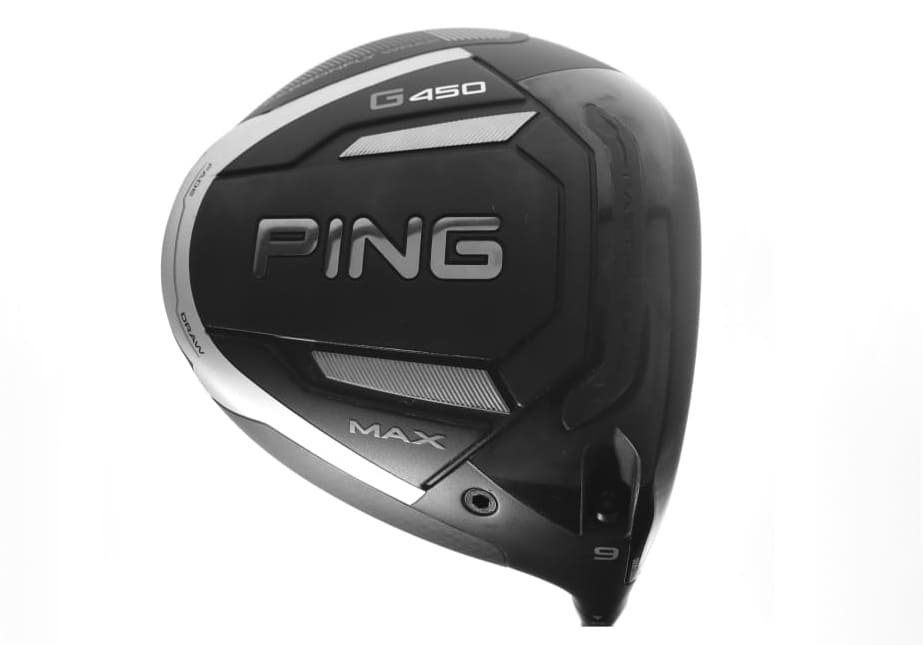
The MAX (9, 10.5 and 12 degrees) is PING’s core model. It trends higher MOI than most core drivers but with G440, PING nudged it slightly toward the middle of the forgiveness chart which leaves room for the K to occupy the extreme end of the MOI scale.
As a quick aside: if you’re wondering why there’s no G450 K on the list, you’re not missing anything. PING releases the MAX, LST and SFT every other year with the K dropping in the off years. The G440 K arrived this past January. With that, don’t expect a new K until this time next year (give or take).
G450 LST
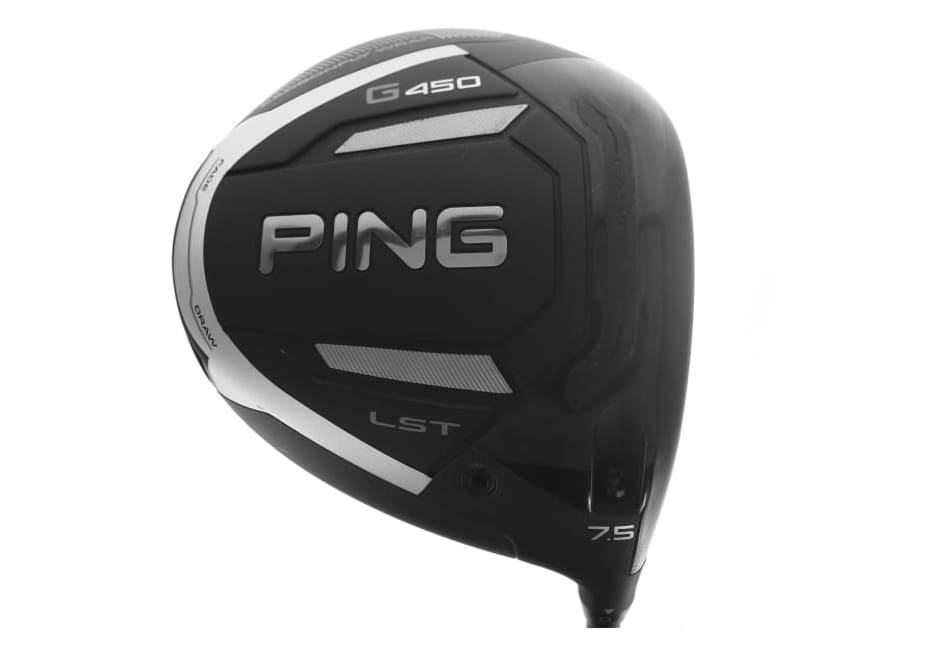
The LST is listed in 7.5, 9 and 10.5 degrees. That 7.5 is worth a mention. Last time around, PING added it to the lineup well after launch. This time, it appears it’ll be available out of the gate.
On paper, 7.5 degrees puts the LST among the lowest nominal lofts on the shelf which sounds like something reserved for tour players and guys who swing 125. The reality is that PING’s LST tends to be less low spin (and higher MOI) than most of the LS models in the marketplace. Less loft helps offset the dynamic loft some golfers add at impact while pulling spin down a bit further. For a brand that places a premium on fitting, giving fitters one more tool to work with makes plenty of sense.
That said, the MAX is the one that’ll do the heavy lifting at retail.
G450 SFT
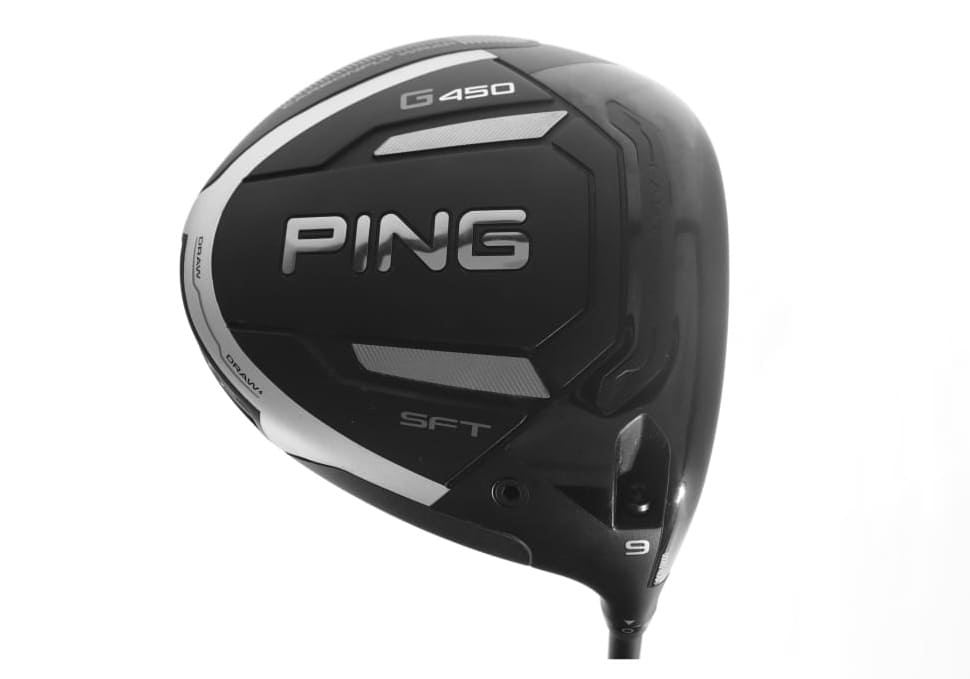
The SFT (9 and 10.5 degrees) is what it is: a mostly niche driver for slicers. It also absolutely excels at that job. It’s great if that’s what you need.
If it’s not, you’ll never think about it again.
What the USGA list tells us (and what it doesn’t)
The USGA list is notoriously light on tech details but between the markings and the photos, we can glean a few things.
Every model, the MiniMax included, carries a Carbonfly Wrap crown. That’s not new (it went lineup-wide with G440) but it’s at least worth a footnote that it carries over into the mini.
The MAX, LST and MiniMax have draw and fade markings on the sole (and, presumably, a neutral setting in between) to go with the back weight port. The SFT swaps those for DRAW and DRAW+. Nobody shopping for an SFT has ever asked for a fade setting.
FASTFLEX
The new tech identified by the markings is something PING calls FASTFLEX. Specifics are TBD but on its face (or in this case, its sole), FASTFLEX appears to be a slot-based technology similar, at least in appearance, to TaylorMade’s SpeedSlot or Mizuno’s CORTECH Chamber. The name doesn’t exactly hide the intent. “Fast plus flex” reads like a ball speed story and if history is any guide, slots typically pair wonderfully with low-face impact stories.
Again, that’s just what we can see. Under the hood, there’s likely more to it.
Pricing and availability
PING hasn’t announced pricing or availability but history says January. My guess is $650 for the full-sized drivers and I wouldn’t be shocked if the MiniMax lands just a bit lower.
Save some money
With G450 on the way, the soon-to-be prior-generation G440 LST, G440 MAX and G440 SFT are discounted to $448.98. If you don’t need the newest thing, that’s a lot of PING driver for the money.
Have your say
Would you put a PING mini driver in your bag or are you sticking with a 3-wood (or a macro driver)? Let us know.
More information as it becomes available.
The post PING G450 Drivers Hit The USGA List And One Is A Mini appeared first on MyGolfSpy.
Article Link: https://mygolfspy.com/news-opinion/ping-g450-drivers-hit-the-usga-list-and-one-of-them-is-a-mini/