
I’ve been covering Wilson Golf for more than a decade. I’ve seen the once-proud brand rebound, falter, stumble and get back up again. It’s made some fantastic products along with a few clunkers along the way. It’s made some marketing blunders (anyone remember the Baller Box?) and tried the TV show route with Driver vs Driver.
Through it all, Wilson has, year after year, delivered rock-solid player’s irons. The 2010 FG Tour cavity-back irons were very good while the FG Tour V2 irons became one of the highest rated irons we’ve ever tested. Wilson has been solid in both our player’s and player’s distance iron testing and has a few wins under its belt.
Not bad for an OEM that was on the verge of irrelevance not so long ago.
Today, Wilson is releasing its 2026 line of Staff Model irons. The company is making some noticeable and welcome updates to its blades and CBs but it’s that third one that’s going to be worth your attention.
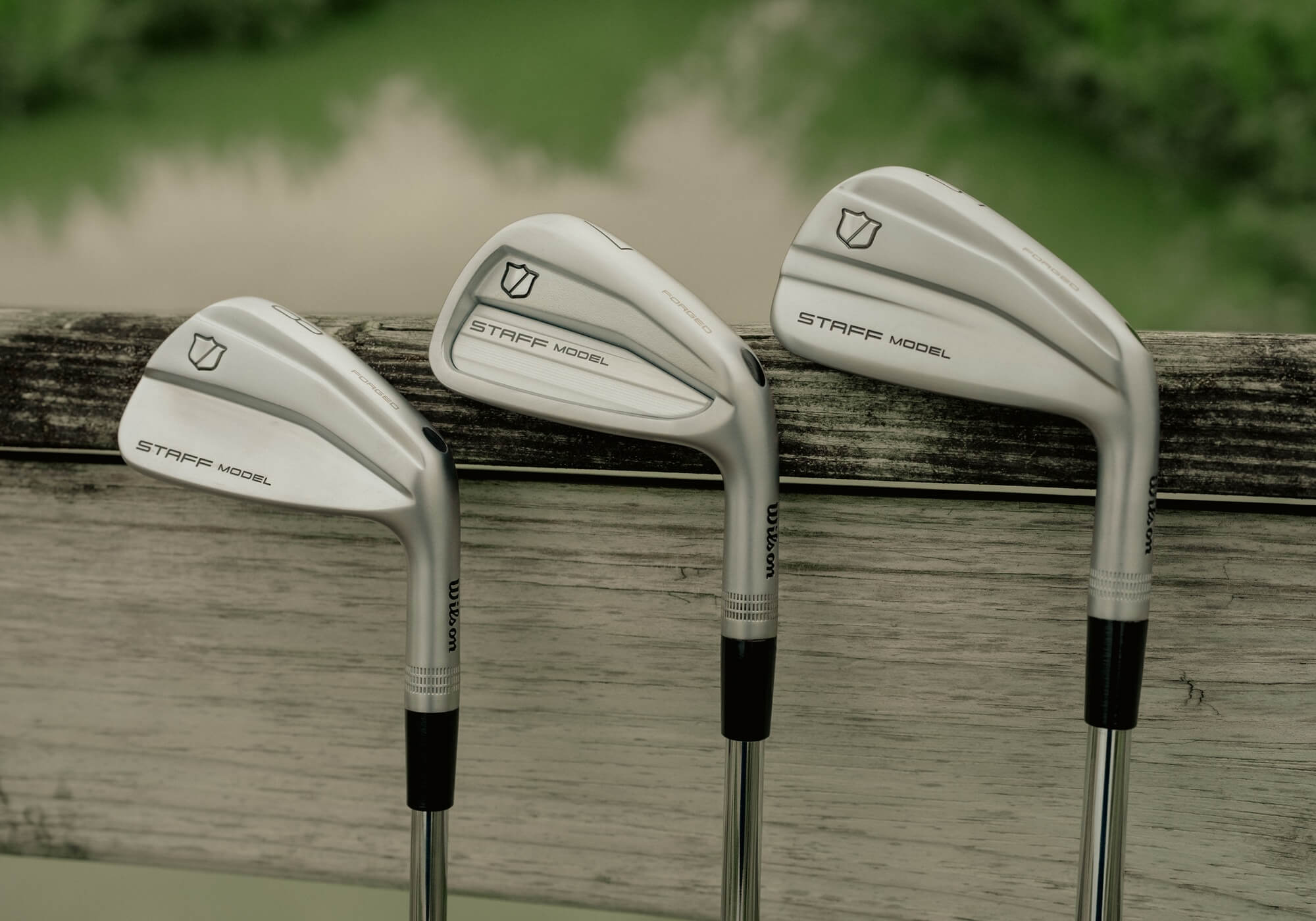
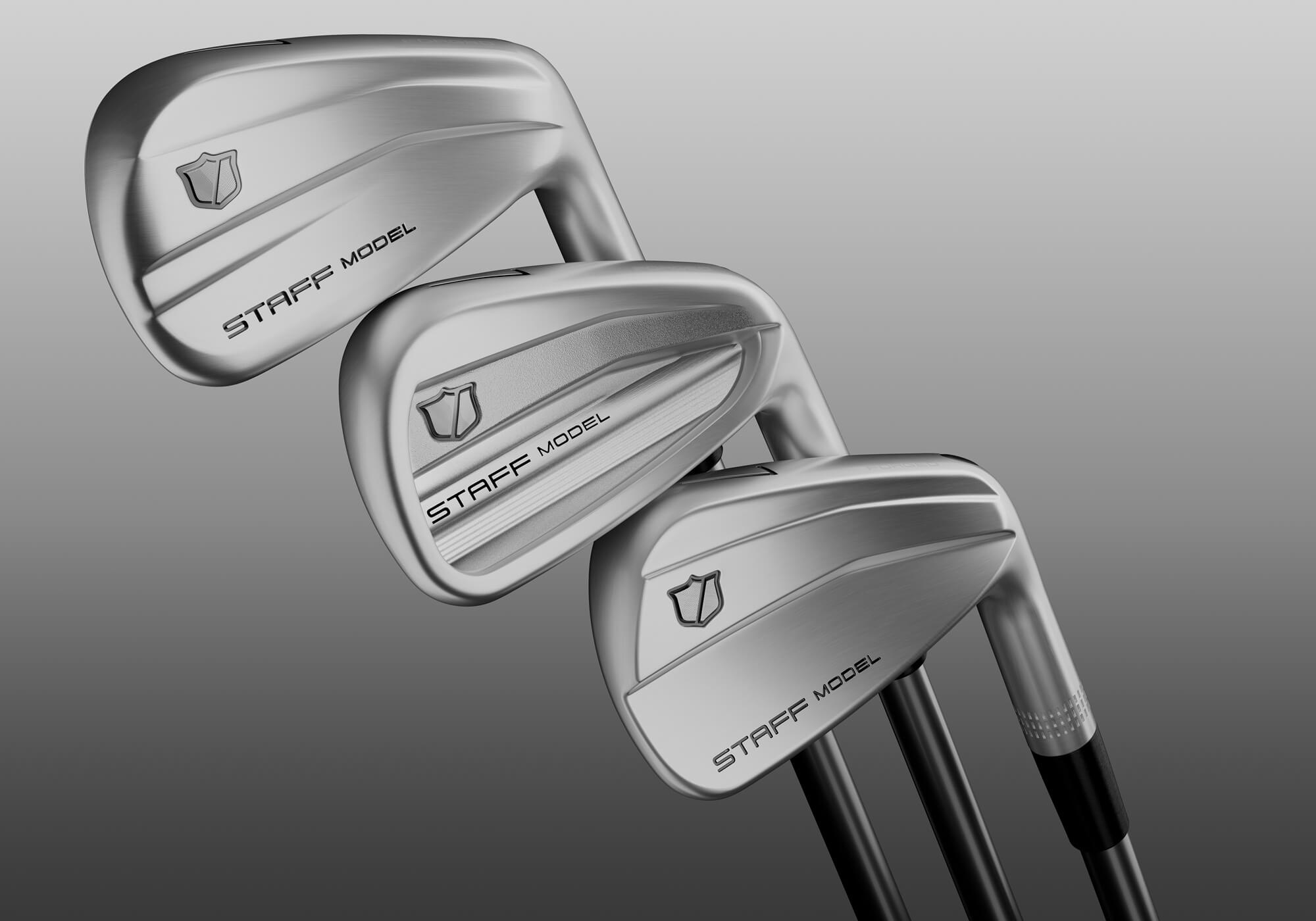
Three new Wilson Staff Model irons
Forged blades and cavity-backs have traditionally been on an industry-standard three-year life cycle. The reason is fairly obvious: there’s just not that much you can do to a blade or a cavity-back. The new Wilson Staff Models, however, are replacing the two-year-old 2024 sticks. To Wilson’s credit, it has given both clubs more than just a cursory facelift, which we’ll get to.
The reason for the two-year update, however, is to get the third member of the family on the market. The Staff Model XB is a completely new iron for Wilson. It’s the star of the launch and Wilson says it fills the gap between player’s cavity-back and player’s distance. Wilson is dubbing the category “player’s performance.”
Frankly, we didn’t realize there was a gap but I’m all for filling gaps whenever possible.
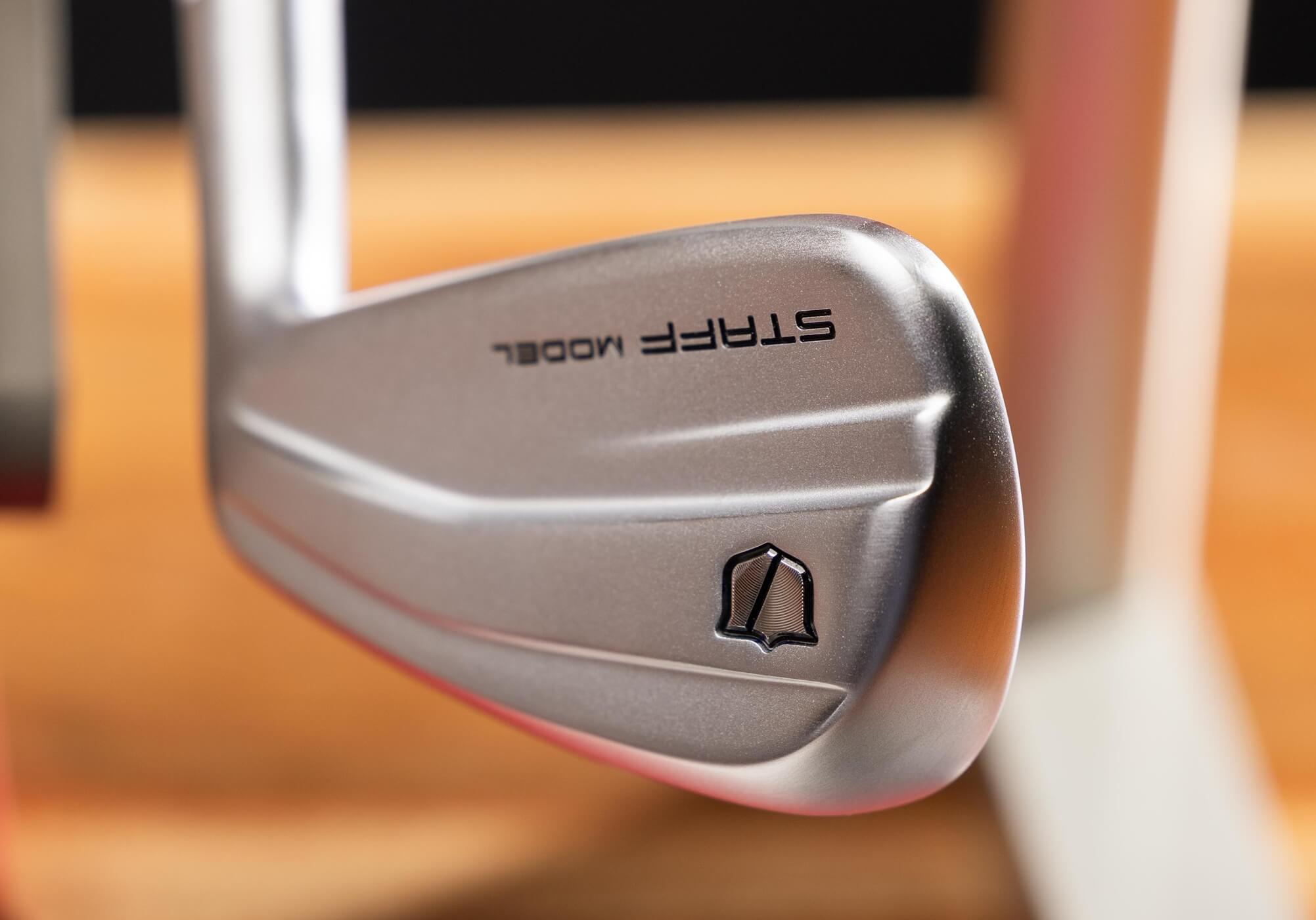
“The focus for the XB isn’t so much on distance as it is on well-rounded and consistent performance across the face,” Wilson CAD Engineer Scott James tells MyGolfSpy. “That’s where the category name comes from. We want to maximize overall performance rather than just making the club go farther.”
Before we dive into the Staff Model XB, there are a few family-wide changes to review.
Aesthetics and then some …
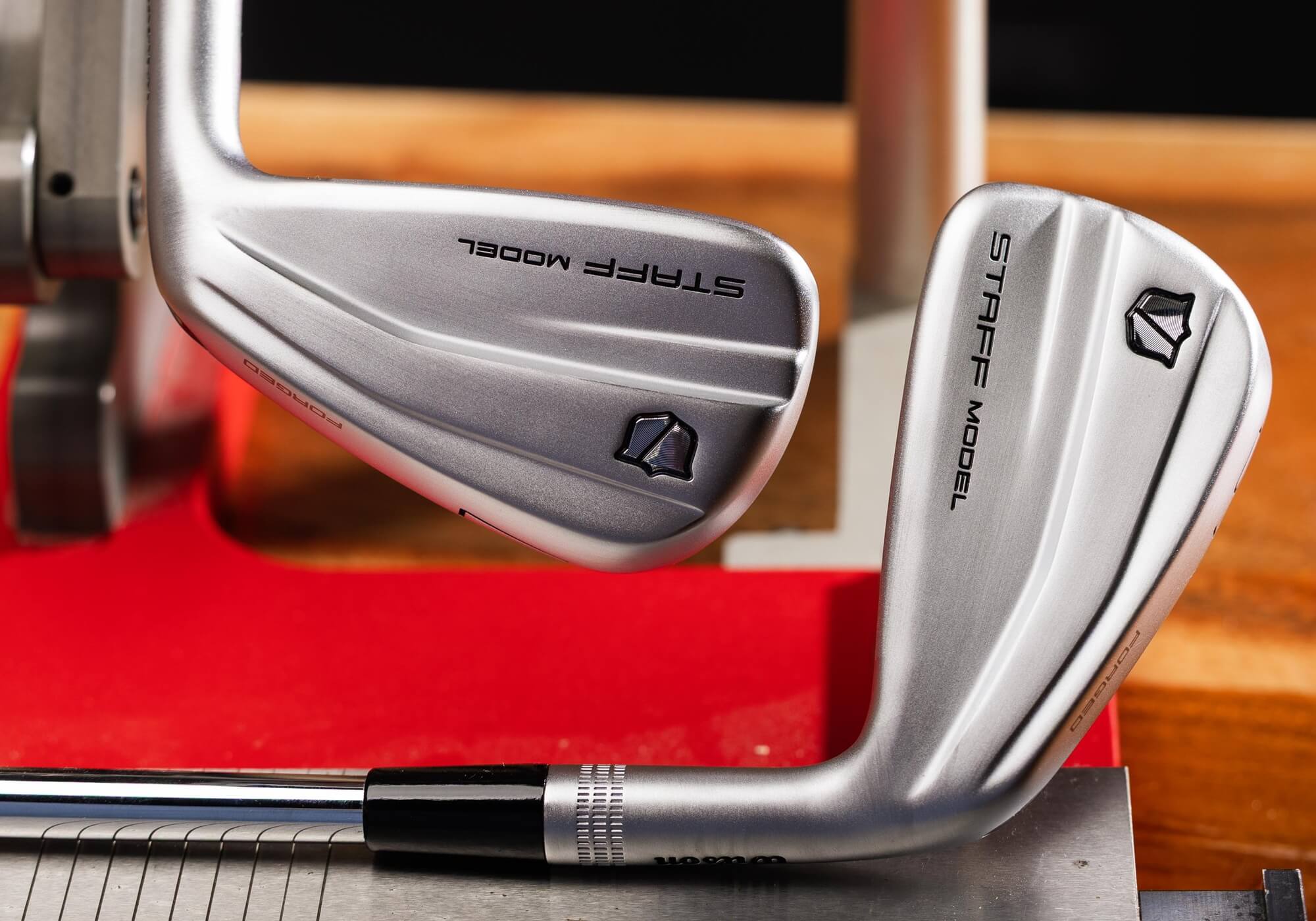
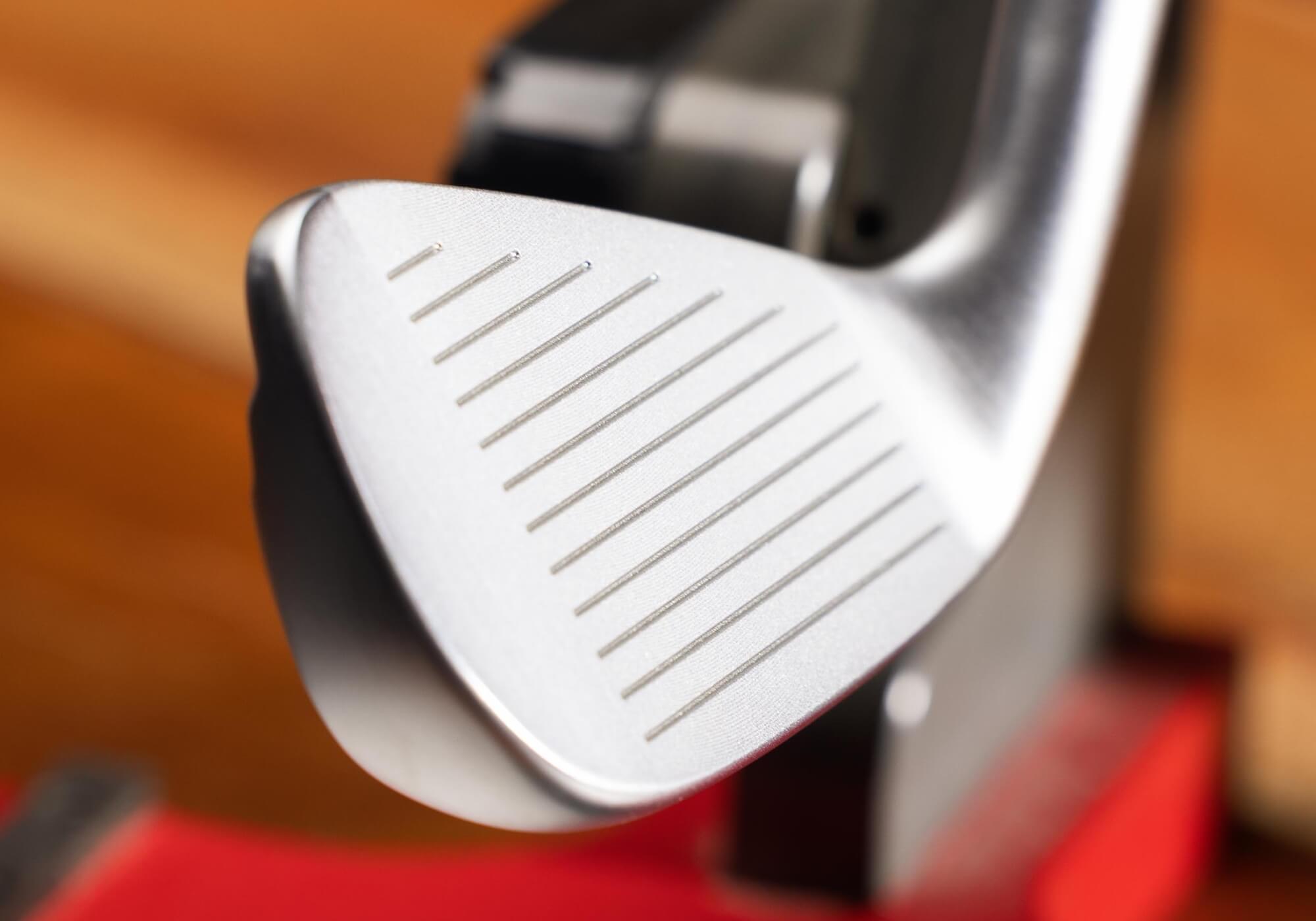
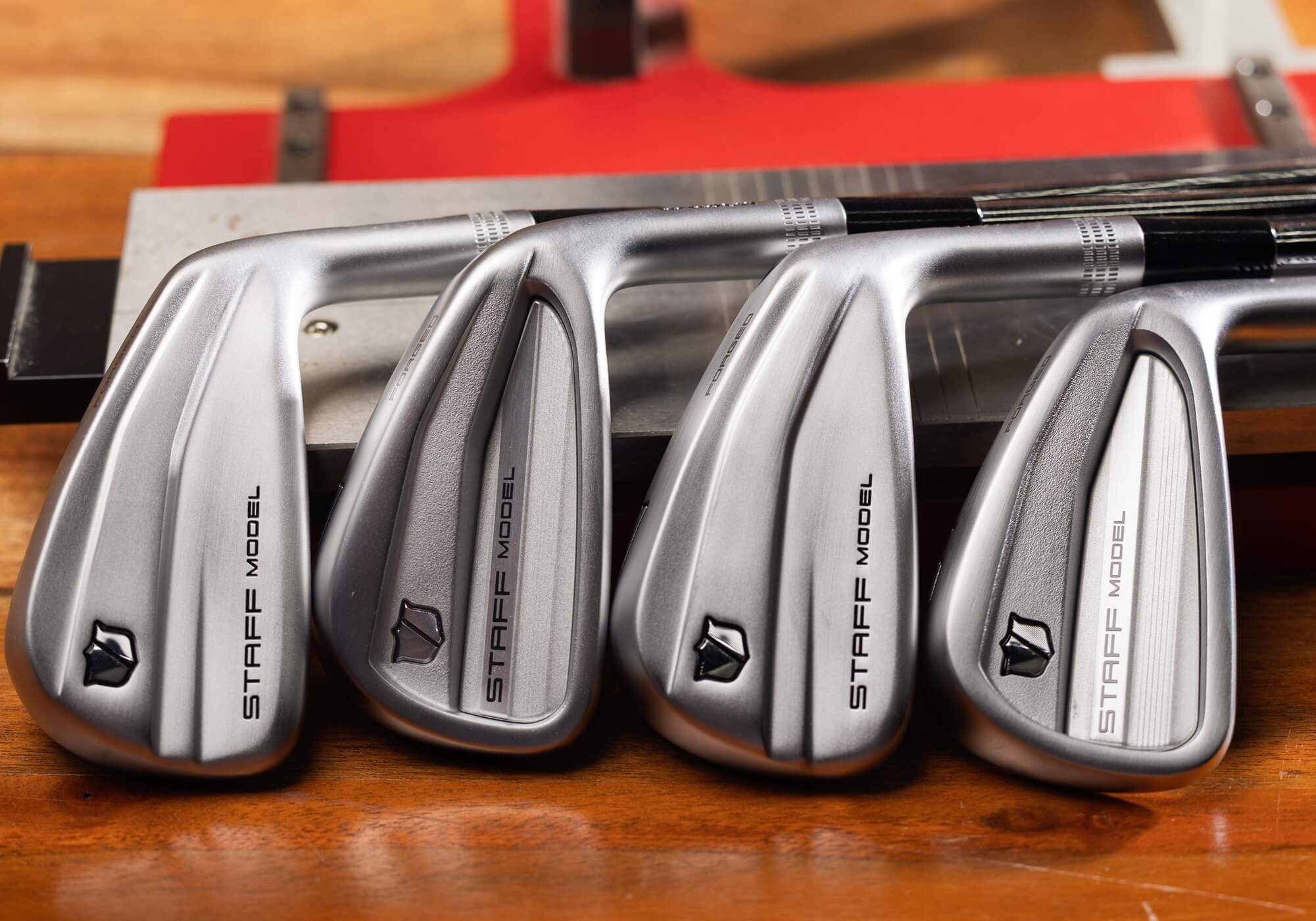
The most noticeable change in the Staff Model family is a new brushed satin finish, replacing Wilson’s traditional mirror-polished chrome. Despite similar design DNA, the ’24 models never quite looked right together. Wilson wanted to change that.
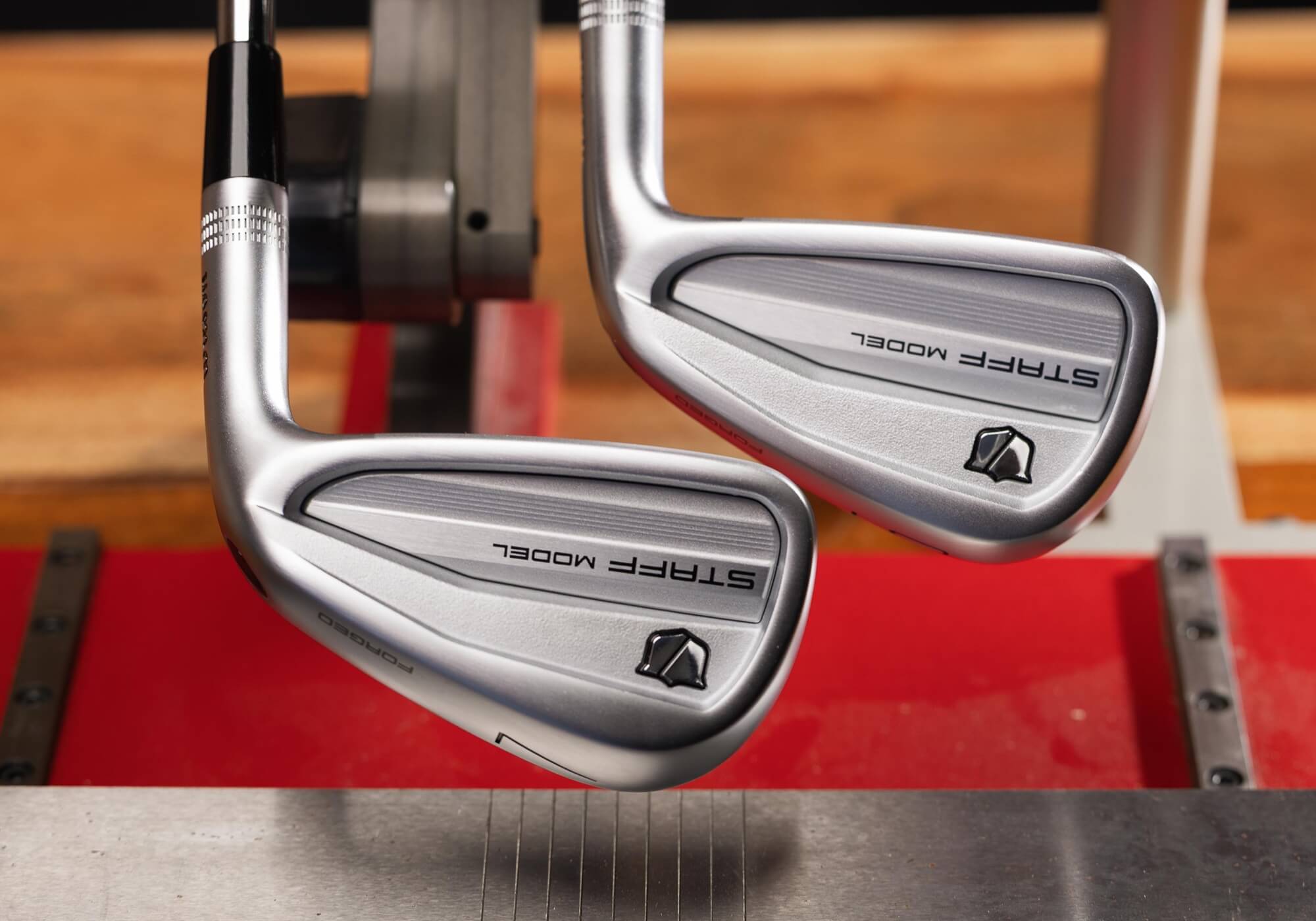
“We want them to have a look of modern craftsmanship with stark geometry and flowing lines,” explains James. “You get more sharp edges with brushed satin. Mirror polishing uses a large, soft brush. Brushed satin uses a much firmer polishing wheel. You can actually polish in those sharper edges.”
If you look closely, you’ll see hints of Wilson’s 1959 Dyna-Powered irons in the design, with a knurled hosel, long ferrules and a raised muscle feature. The result is a classic consistency through all three sets.
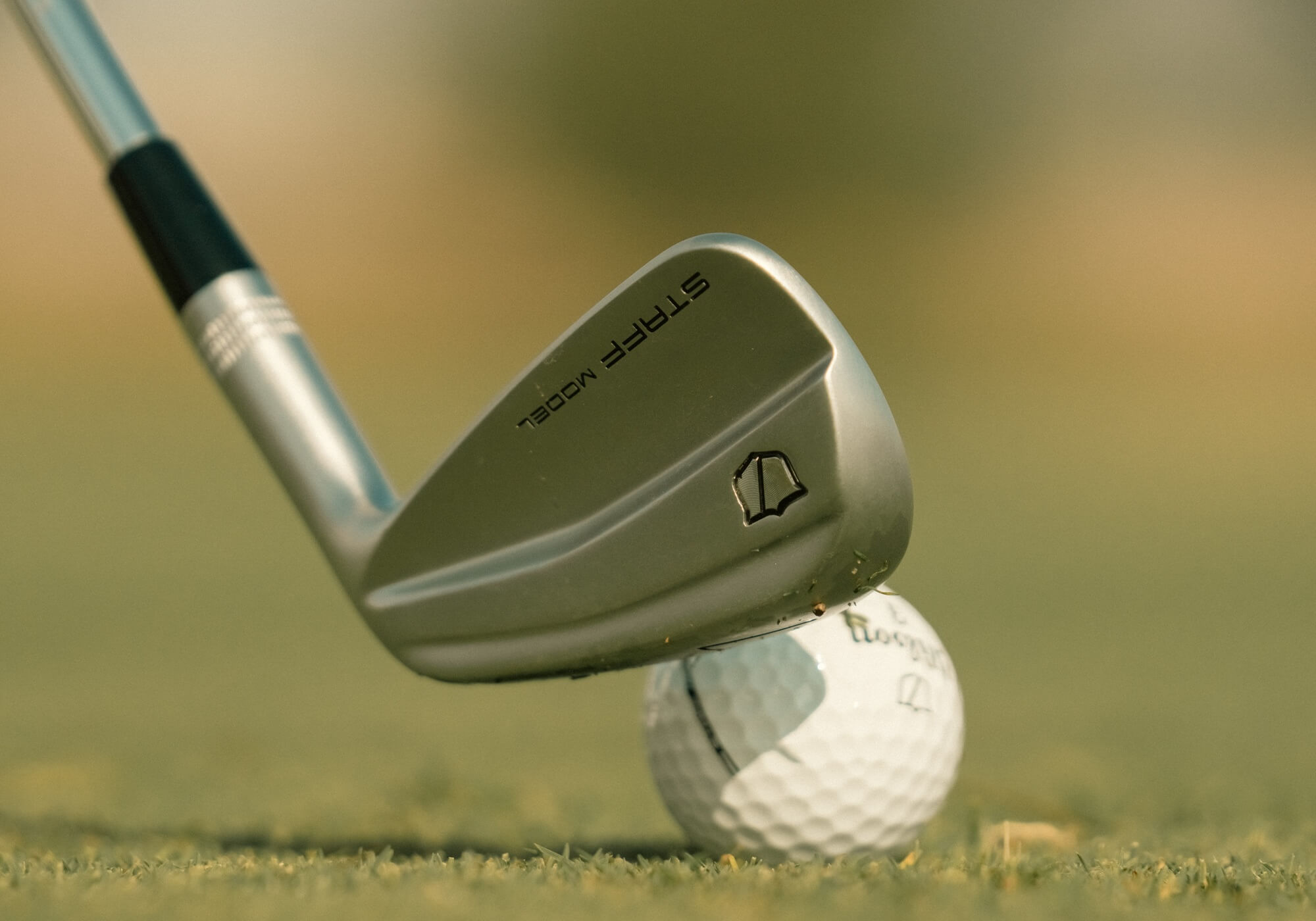
The Staff Model blade is getting some subtle changes. First off, Wilson is making the blade shorter to match that of the more compact CB.
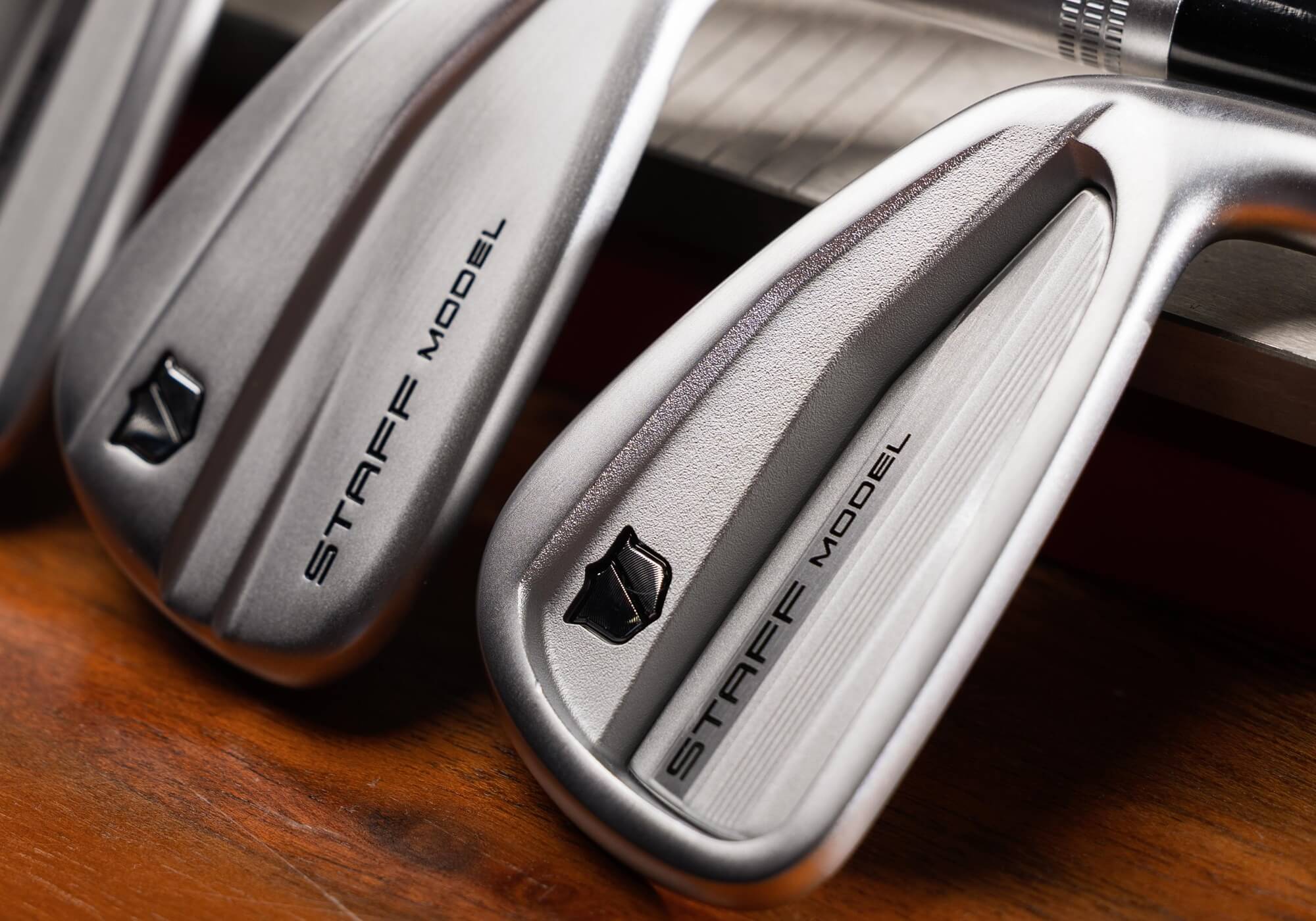
“The blade had always been longer heel-to-toe than the CB,” says James. “We had this compact player’s cavity-back and a blade that was longer. We made them the same length.”
Wilson is also slightly reducing the blade’s offset and changing the hosel lengths to be consistent with the Staff Model CB.
“With the CBs, the hosels in the long irons got progressively shorter which frees up more discretionary mass in the clubheads,” says James. “That allows you to place the center of gravity more precisely. We’ve now brought that over to the blades.”
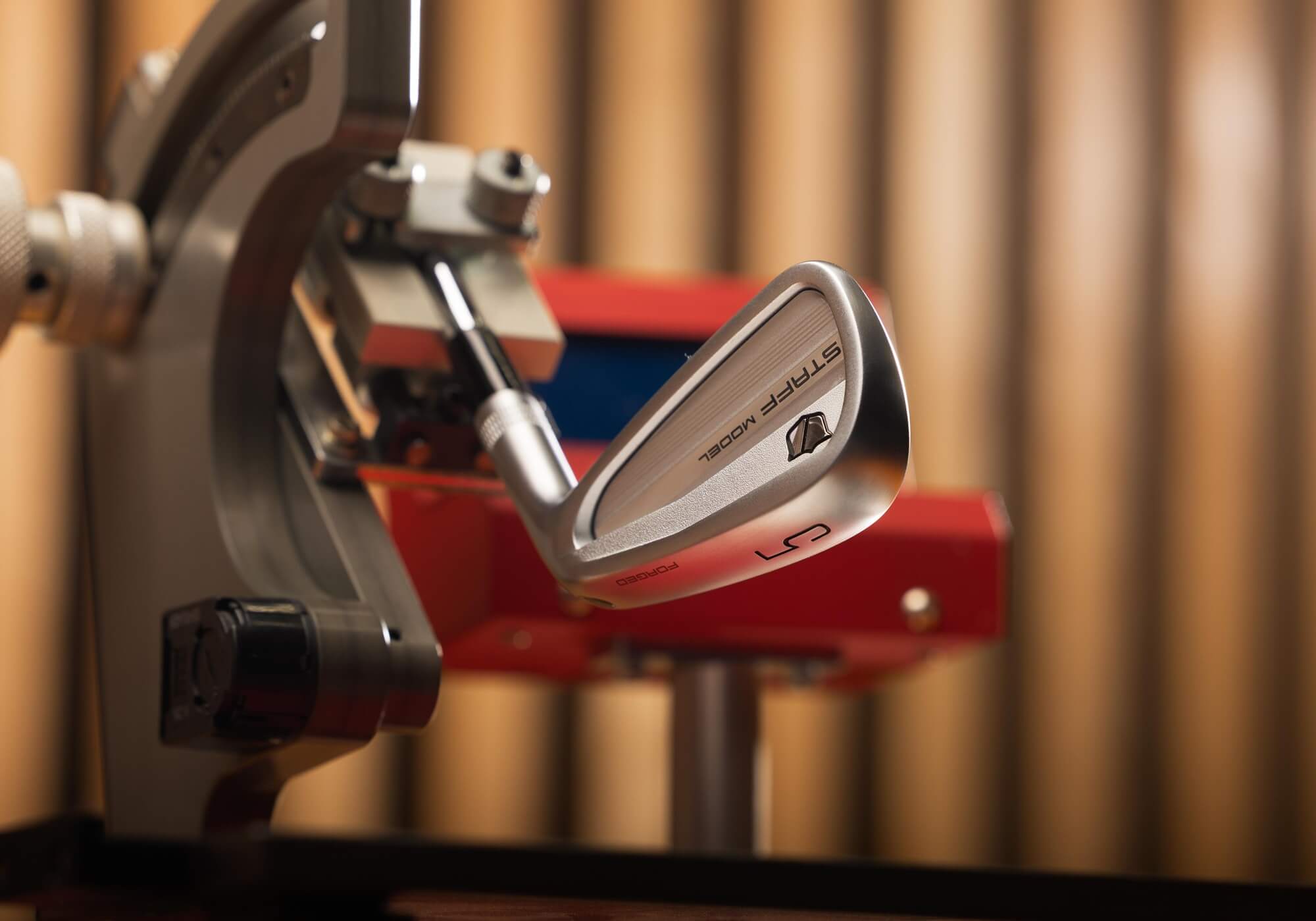
The pitching wedge in both sets features a longer hosel to raise the center of gravity for lower flight. The hosel length gets progressively shorter as the irons get longer. That gives Wilson more mass to move low towards the toe, moving the CG closer to the center of the clubface.
Speaking of hosels
The new Wilson Staff Model irons all include a classic Wilson design feature: the Fluid Feel Hosel. Fluid Feel dates back to the ‘60s but it remains an effective mass-shifting tool.
Discretionary weight is a club designer’s Holy Grail. The challenge with a blade or cavity-back is finding some. There just isn’t much real estate. However, by drilling a small hole in the heel, Wilson frees up six grams of mass that can be moved to more useful spots.
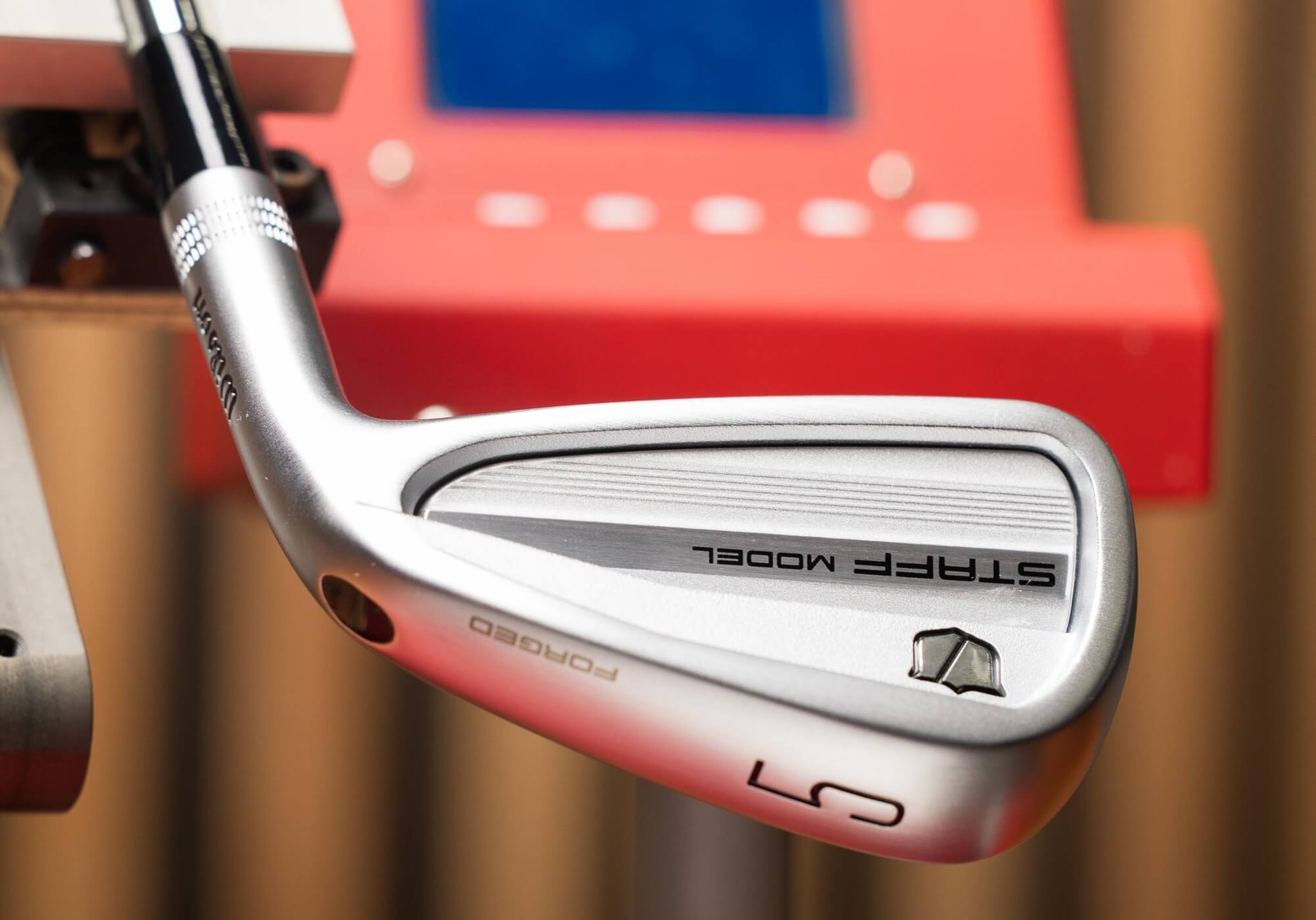
One to two grams can impact CG height and depth. With six grams, you can lower the CG by several tenths of a millimeter and shift it several millimeters toward the toe. You can also meaningfully impact moment of inertia.
With additional tungsten weighting in the toe, Wilson adds stability while dropping the CG even further for higher launch without adding bounce. That added mass makes for a more solid feel, too.
“When we say we’re moving CG toward the toe, that really means we’re moving it toward the center,” explains James. “There’s a lot of weight in the hosel already so anything you can save there lets you get the CG closer to the center.”
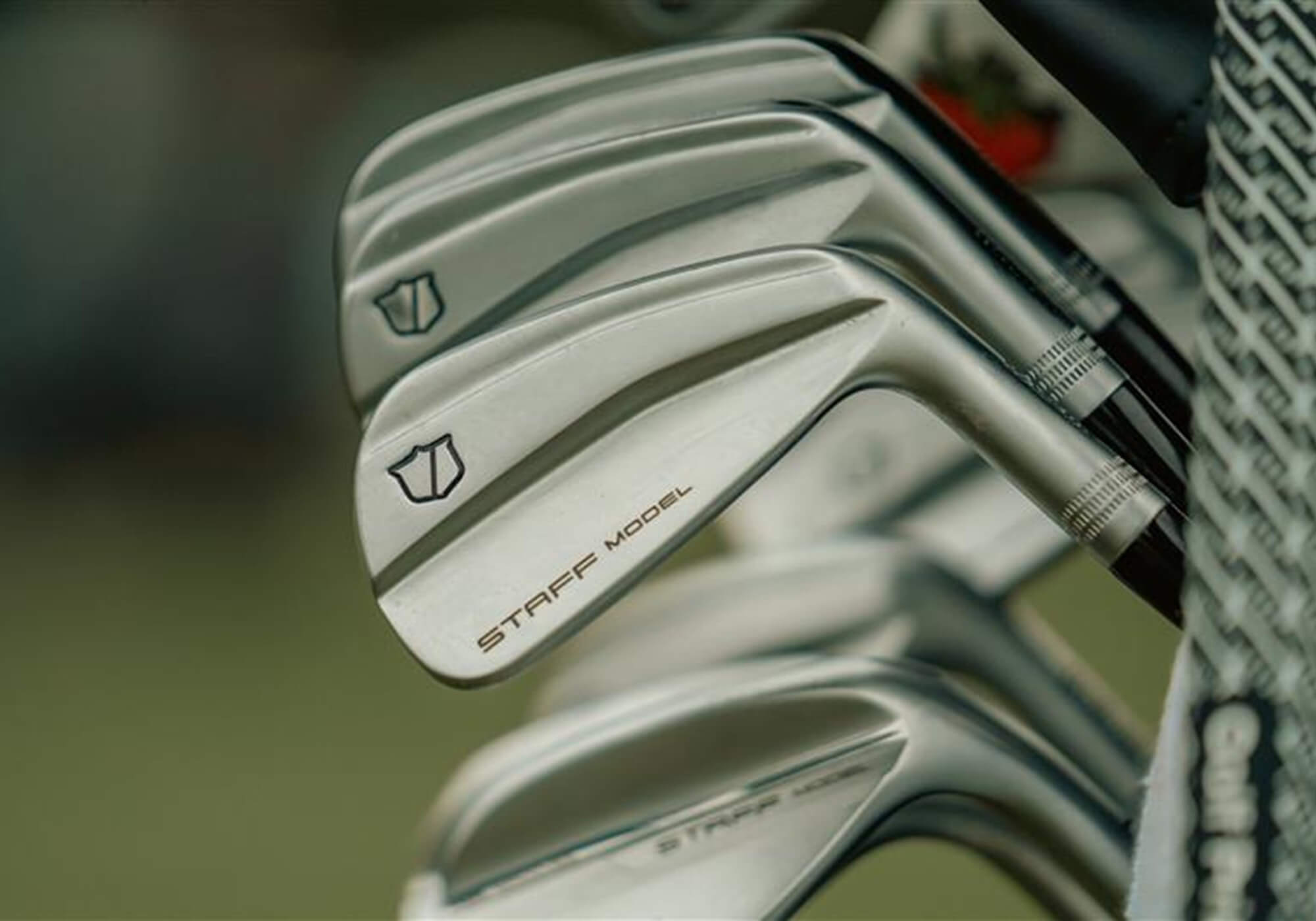
While the Staff Model blade’s blade length got a little shorter, the Staff Model CB blade got a little longer to the point where they’re virtually identical. Wilson is also slimming down the CB’s topline and sole slightly while also reducing offset.
It’s all in the name of blending better with the blades.
“The old CBs, compared to the blades, were a little bit stubby,” James says. “They were shorter heel-to-toe and a little thicker.”
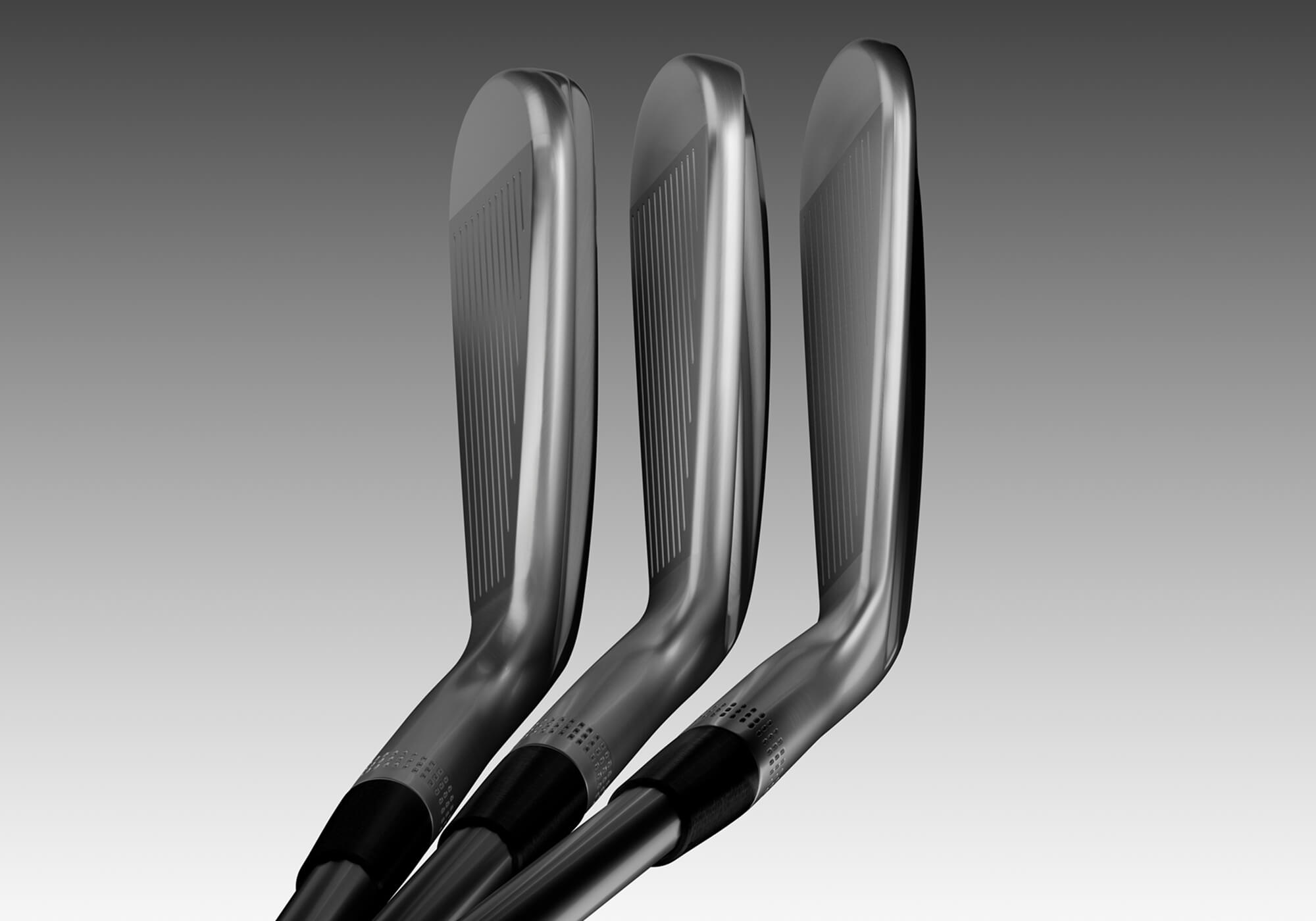
Based on our first looks, the new Wilson Staff Model blades and CBs match up much better in a blended set.
Enough of that; let’s get to the Staff Model XB irons
The real star of Wilson’s 2026 Staff Model line is the all-new Staff Model XB, Wilson’s first forged, hollow-body player’s iron.
“We ended up testing 5,000 different design variations to find what we’re looking for,” says James. “We wanted to make sure we retained that soft, traditional feel we have in our other irons.”
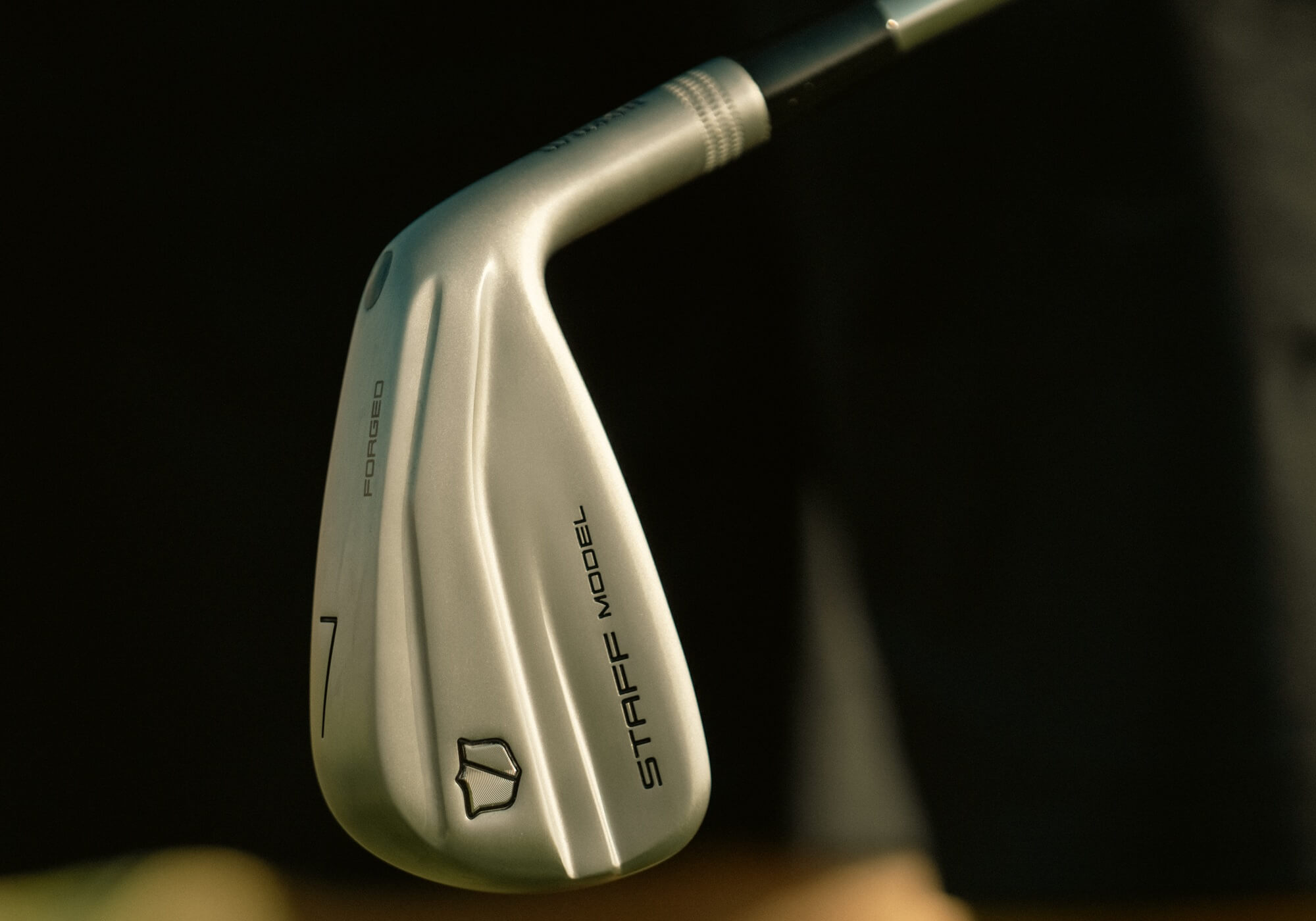
The Wilson Staff Model XB is a two-piece forging with the face and body made from 8620 steel. You can quibble about 8620 being a “true” forging as the pieces are first rough cast before being drop forged into their final shape. The process reduces waste. Wilson has been doing it this way for years while producing some of the softest-feeling irons in the game.
To get the sound and feel right, Wilson used what it calls topology optimization to map the inside structure. The goal was to make the Staff Model XB sound and feel like the CB.
“We moved internal rib structures to control sound frequencies and we partially filled the hollow cavity with urethane to dampen vibrations,” says James. “It’s a solid impact feeling. It’s not exactly the same sound as the CBs but we do think we’re close.”
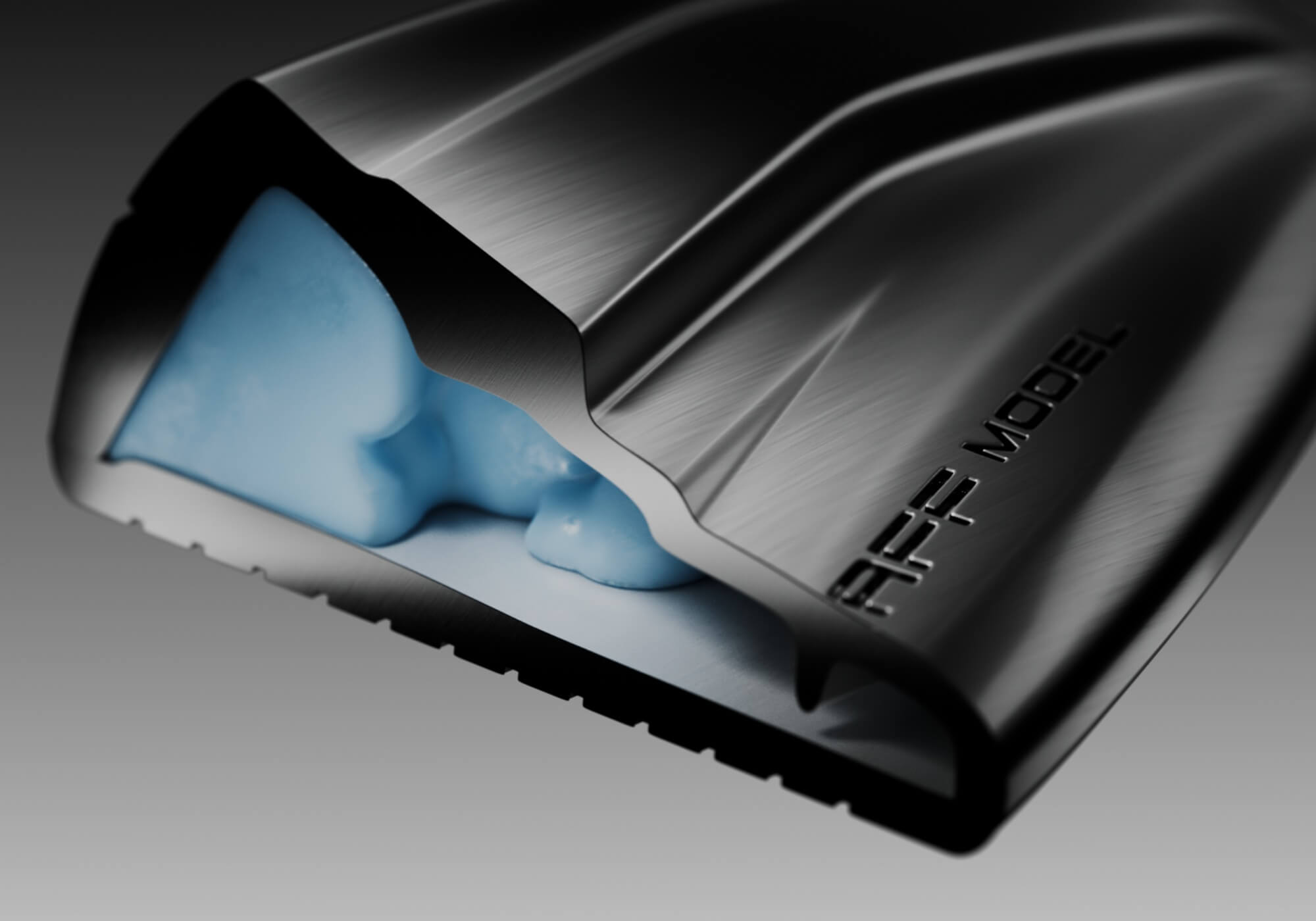
As you might expect, the Staff Model XB features a variable-thickness face designed to prioritize ball speed consistency. As you might not expect, the loft structure is only one to two degrees stronger than the blades and CBs. That puts the XBs in that no man’s land between player’s irons and player’s distance irons.
“The lofts are stronger than the CB but we want them to come out in a similar launch window at the CB,” says James. “A big part of that came down to the position of the center of gravity.”
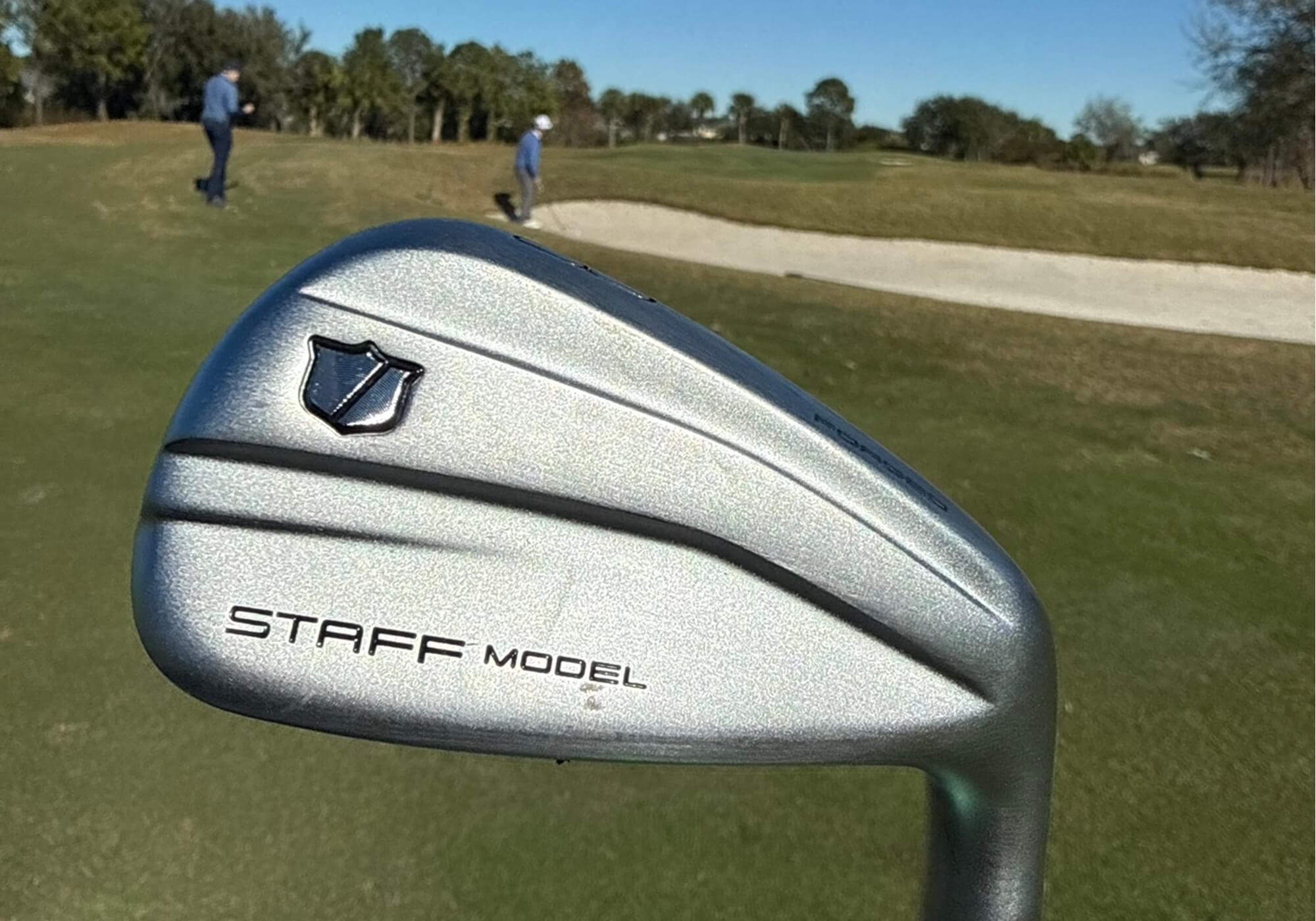
On course with the Staff Model XBs
If one off-season Florida round is any indication, I can tell you the Wilson Staff Model XB irons should definitely be on your radar. I was particularly impressed with long iron performance, specifically how easy the 5-iron was to get airborne. With their “tweener” loft structure, these won’t be in the same zip code as a player’s distance iron (32-degree 7-iron versus the category standard of 30.5 degrees) but the launch is high and the spin is more than adequate.
One element I found particularly fascinating is that Wilson is offering not only a set-matching 3-iron but also a 2-iron.
For real.
“We think it’s a really good option for a player who wants a lower-launching, sleeker-looking utility iron,” explains James. “Our current Staff Model utility is more of a mid- to high-launching club. The XB 2-iron is slimmer and closer to a traditional-looking iron with just a little extra juice coming out of it.”
Wilson’s own internal 7-iron testing shows the XB with nearly identical launch and descent angles as the Staff Model blade and CB. The XB, being a hollow body and stronger lofted, showed three mph more ball speed, 200 rpm less spin and 5.5 yards more carry.
Appearance-wise, Wilson has hit the mark with the entire set. The Staff Model XB, at first glance, looks an awful lot like a blade. All three sets were built to blend. A blade/CB set could easily transition at the 7- or 8-iron as would a CB/XB set. As the XBs are stronger lofted, you’d want a fitter to help determine where best to transition and whether the XBs should be bent weaker or the CBs bent stronger for proper gapping.
Final thoughts
Forged blades and cavity-backs are an essential part of any OEM’s arsenal but not for the reasons you think. They’re never big sellers but they’re essential if an OEM is to be taken seriously. A sexy blade and CB make a powerful statement.
They’re also the clubs an OEMs Tour staff uses and there’s the rub for Wilson. Right now, Wilson’s Tour staff begins and ends with Padraig Harrington. We love Paddy but he’s not a needle mover. It’s easy to say Wilson needs more Tour presence but it’s also naive. Tour presence is as much about money as it is about the quality of the equipment.
All that said, the linchpin of the 2026 Staff Model launch is the XB. Although official MyGolfSpy testing will tell a more complete story, our mini-trial suggests Wilson is on to something with this player’s performance thing. If you love forged cavity-backs but could use a little help (and don’t want the size and loft structure of a player’s distance iron), the Staff Model XB might be just the ticket.
“The new CB, with a thinner sole and less offset, might be a little less forgiving than the old one,” says James. “That opens the door for the XB as a player’s precision iron.
“We think a decent portion of the players who were in cavity-backs can easily move into the XB.”
2026 Wilson Staff Model irons: Specs, price and availability
The new Wilson Staff Model blade is forged from 8620 carbon steel and will be available in 3-iron through pitching wedge. The Staff Model CB, also 8620 forged, will be available in 3-iron through gap wedge. Both irons share the same loft structure for easy blending.
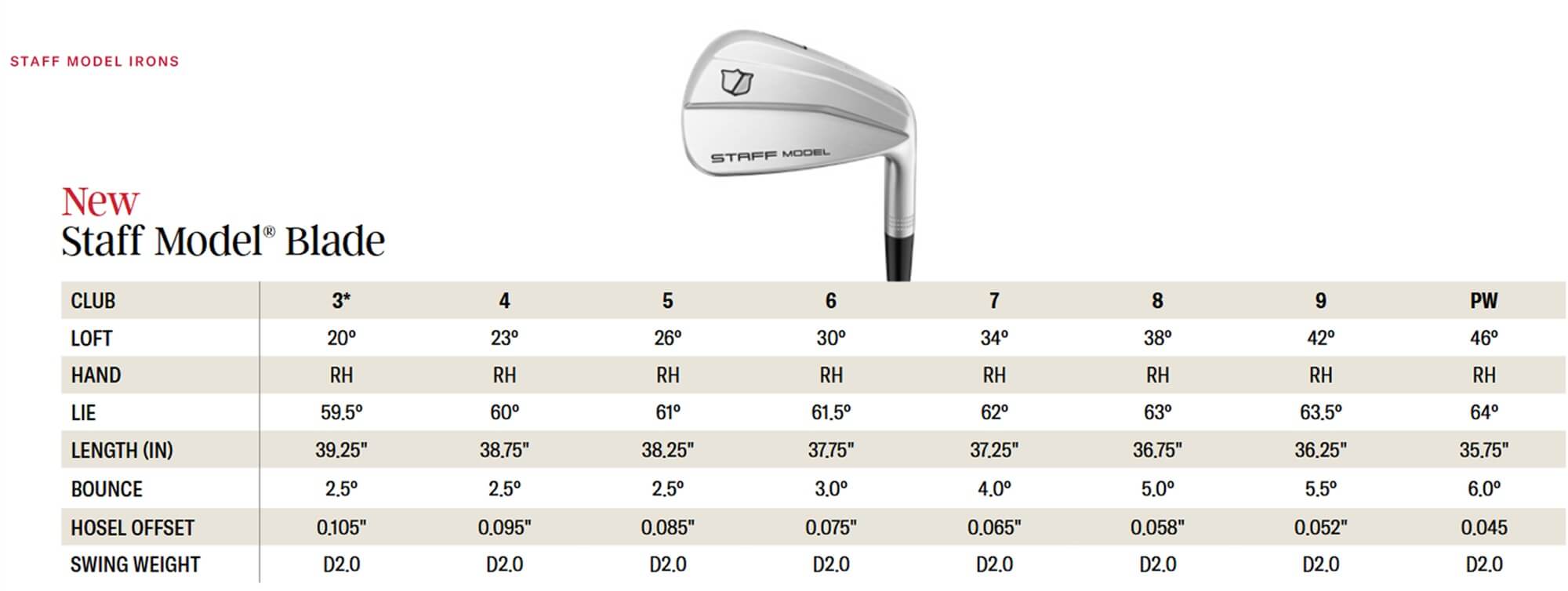
The True Temper Dynamic Gold Mid 115 and Golf Pride Z are the stock shaft and grip. Plenty of shaft and grip options are available through Wilson’s custom department.
The Staff Model CBs will be available in left- and right-handed models. The blades are right-handed only.
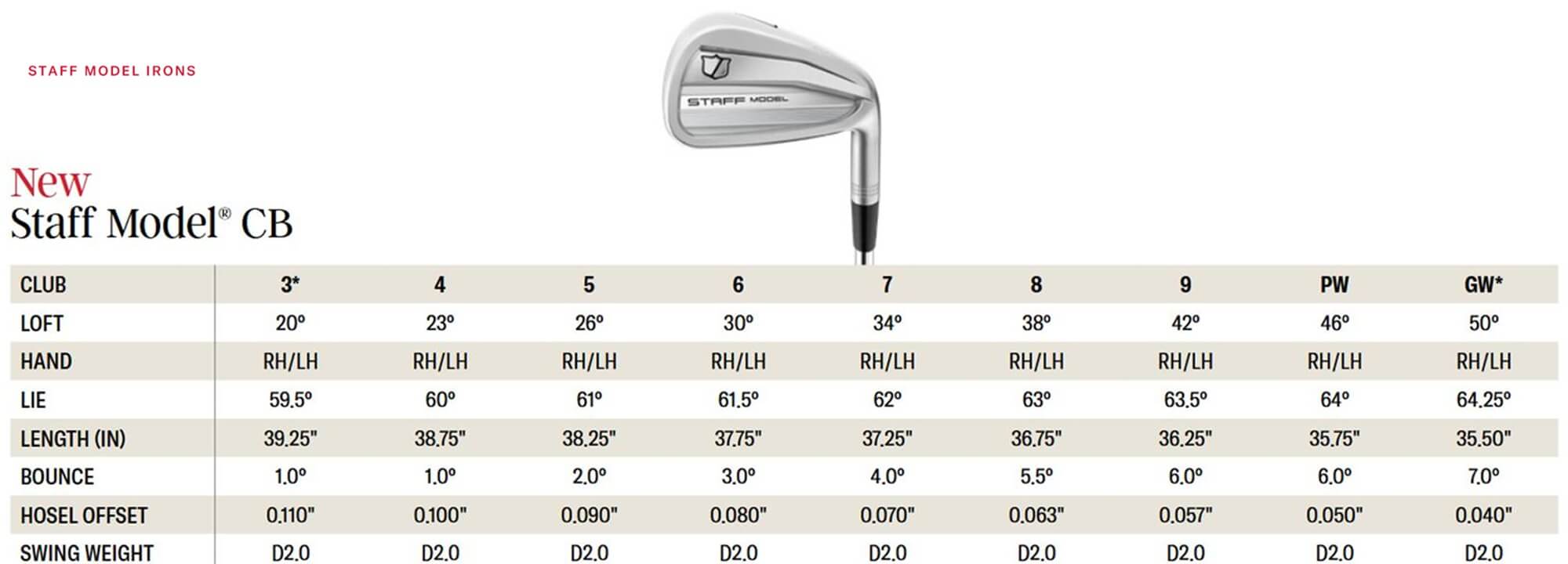
The Staff Model XB irons are a two-piece hollow-body construction with a urethane filling. Both pieces are 8620 forged. Wilson is choosing the Nippon N.S. Pro Modus3 110 as the stock shaft. It’s higher launching and higher spinning than the Dynamic Gold Mid 115, making it a better choice for the stronger-lofted XB. The Golf Pride Z is the stock grip.
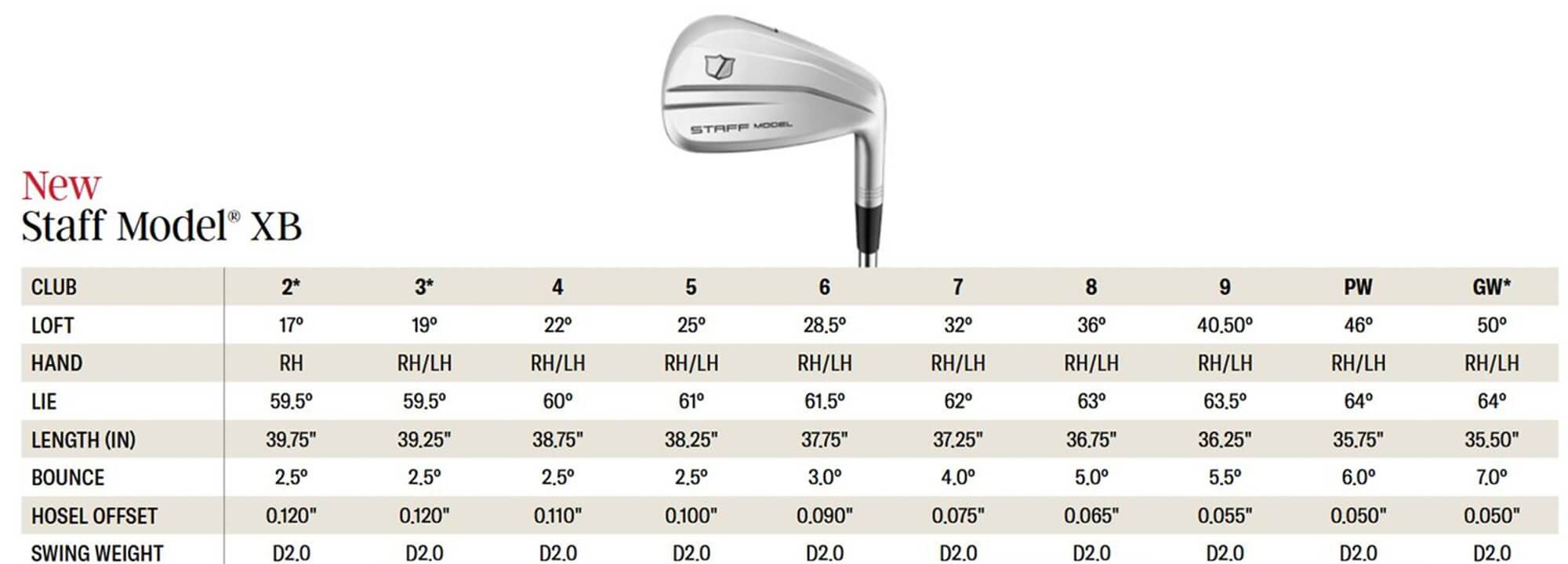
The Staff Model XB is available in a 3-iron through gap wedge for both lefties and righties. The 17-degree 2-iron comes in right-handed only.
Each Wilson Staff Model iron is priced at $1,399.99 for a seven-piece set, $199.99 per stick. Pre-sale starts today. All three models should hit the stores on Feb. 10.
For more information, visit www.wilson.com.
The post These New Wilson Staff Model Irons Bring Some Serious Heat … Especially That Third One appeared first on MyGolfSpy.
Article Link: https://mygolfspy.com/news-opinion/these-new-wilson-staff-model-irons-bring-some-serious-heat-especially-that-third-one/