
This one slipped past us, but PUMA is undergoing some ownership changes that create a potentially interesting dynamic for its golf subsidiary, COBRA Golf.
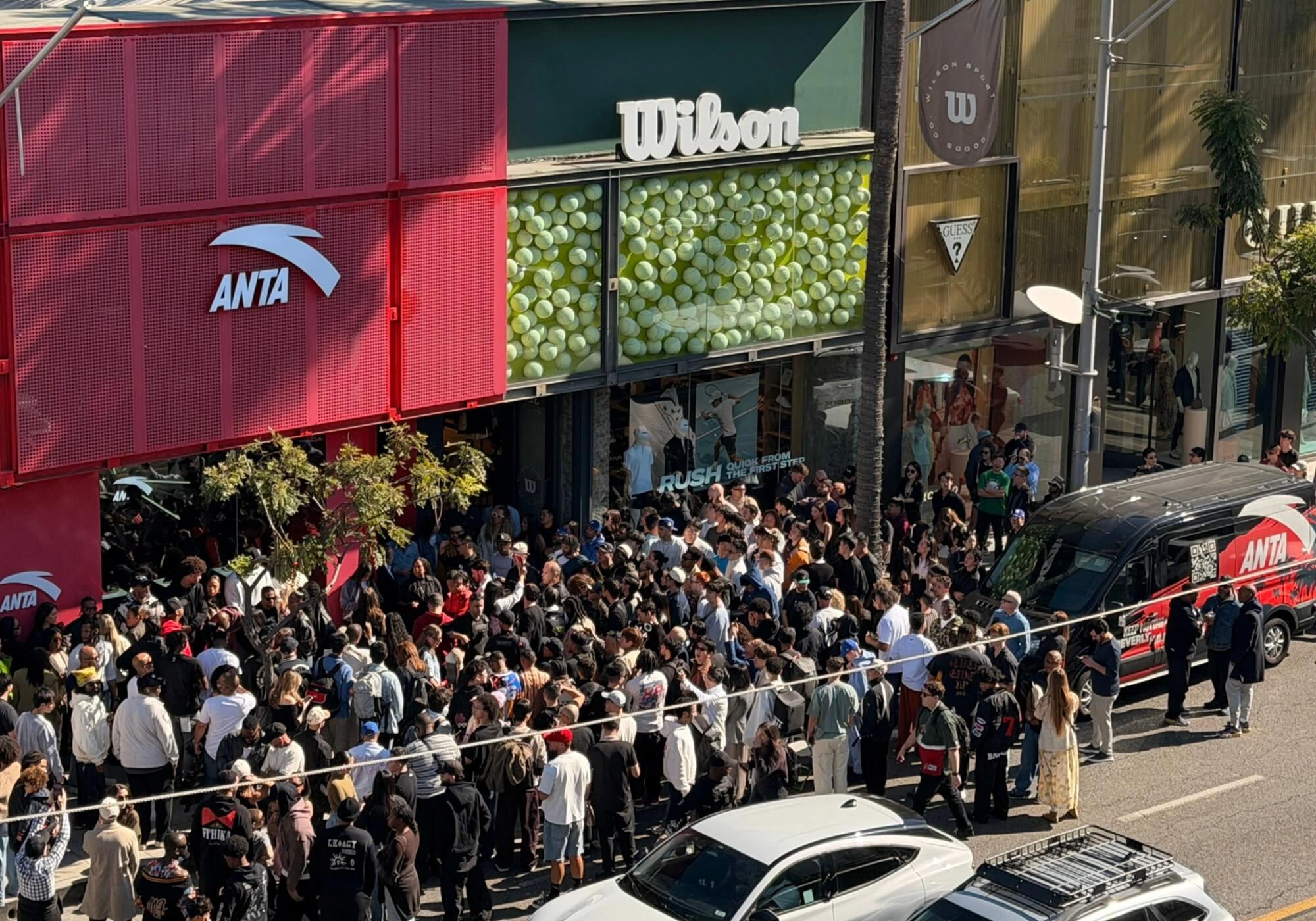
In January, Anta Sport Products announced it was buying a 29 percent stake in PUMA SE from Groupe Artemis, the investment company of the Pinault Family. That makes Anta Sports, China’s largest sportswear company, the single largest shareholder in PUMA.
The all-cash transaction is valued at an estimated $1.8 billion, representing a 62 percent premium to PUMA’s stock price at the time of the deal. It was the proverbial offer they couldn’t refuse.

The deal is expected to be finalized by the end of this year.
So, why is this of any interest to golfers? Let’s dig in.
Anta is creating a sports empire
The name Anta shouldn’t be new to you. Founded in 1991, the Chinese sportswear giant is the world’s third-largest sportswear company, behind Nike and adidas, with annual revenues exceeding $10 billion. Along with its own branded gear, Anta owns the Fila brand in China and just last year purchased Jack Wolfskin from Topgolf Callaway. In 2019, an Anta-led consortium paid over $5 billion for a controlling interest in Amer Sports of Finland. Amer owns sports brands such as Salomon, Atomic, Arc’teryx and, most pertinent to today’s discussion, Wilson Sporting Goods.

Amer’s annual revenue adds $5 billion to Anta’s economic ecosystem, while PUMA’s 2025 revenue adds roughly $8 billion. Anta’s share of those revenues, based on its ownership percentage of each company, totals around $4.6 billion.
In acquiring a controlling interest in PUMA, Anta now has, by default, a controlling interest in COBRA. As the owner of Amer Sports and Wilson Sporting Goods, Anta already has, by default, a controlling interest in Wilson Golf.
Told you this would be interesting.
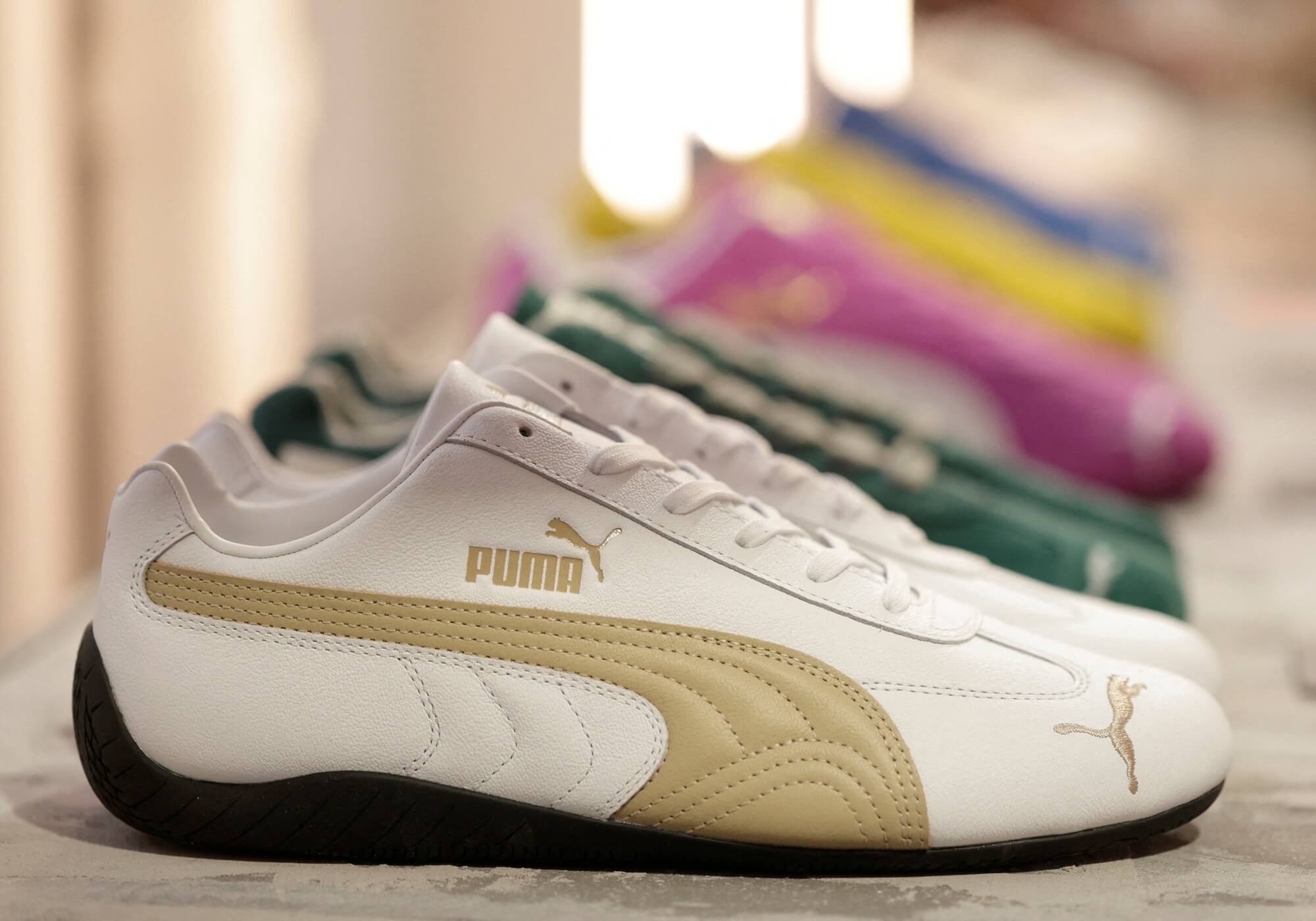 FILE PHOTO: Puma Speedcat OG sneakers are displayed at the Puma Mostro House in Paris, France, January 24, 2025. REUTERS/Abdul Saboor/File Photo
Anta says its purchase of PUMA isn’t an outright takeover. The company has publicly stated it supports PUMA’s existing management, brand autonomy and identity, with no current plans to acquire full control.
Now, those are public statements, and no one spends $1.8 billion without a long-term plan. I know the conspiracy-minded among us will want to run amok with behind-the-scenes skullduggery, backstabbing and other titillating tales of corporate intrigue, but all we know is what we know, and at this point, we don’t even know what we don’t know.
You know?
PUMA was ripe for the plucking
PUMA has been struggling in recent years. CEO Arthur Hoeld says the company has been in a “reset” mode in recent years. Slowing demand, weaker sales and intense competition in PUMA’s core businesses forged sharp declines in stock pricing in 2024 and 2025. Groupe Artemis and the Pinault family had been a non-strategic partner in PUMA despite being its largest shareholder. Hoeld says PUMA has developed a turnaround strategy for the company, focusing on performance products and cost discipline.
Earlier this month, the Frasers Group also bought into PUMA. It acquired a nearly six percent stake in the company, making it the second largest shareholder behind Anta.
What does this mean for COBRA?
In the short term, virtually nothing. This move does make COBRA and Wilson Golf distant cousins, as both are now small cogs in the same gigantic sporting goods machine. We do know that Anta has heavily invested in Wilson, and that it views golf as a key growth area. Anta has a track record of investing in performance-driven brands and is known as a patient owner.
One of the reasons for the purchase is that Anta sees great potential for PUMA, particularly in China, where it’s an underrepresented brand. Additionally, Anta is considered less fashion-driven and more performance-driven, focusing on materials and engineering. This aligns well with the identity COBRA has been working to develop since shifting from its orange-driven branding of a decade ago.
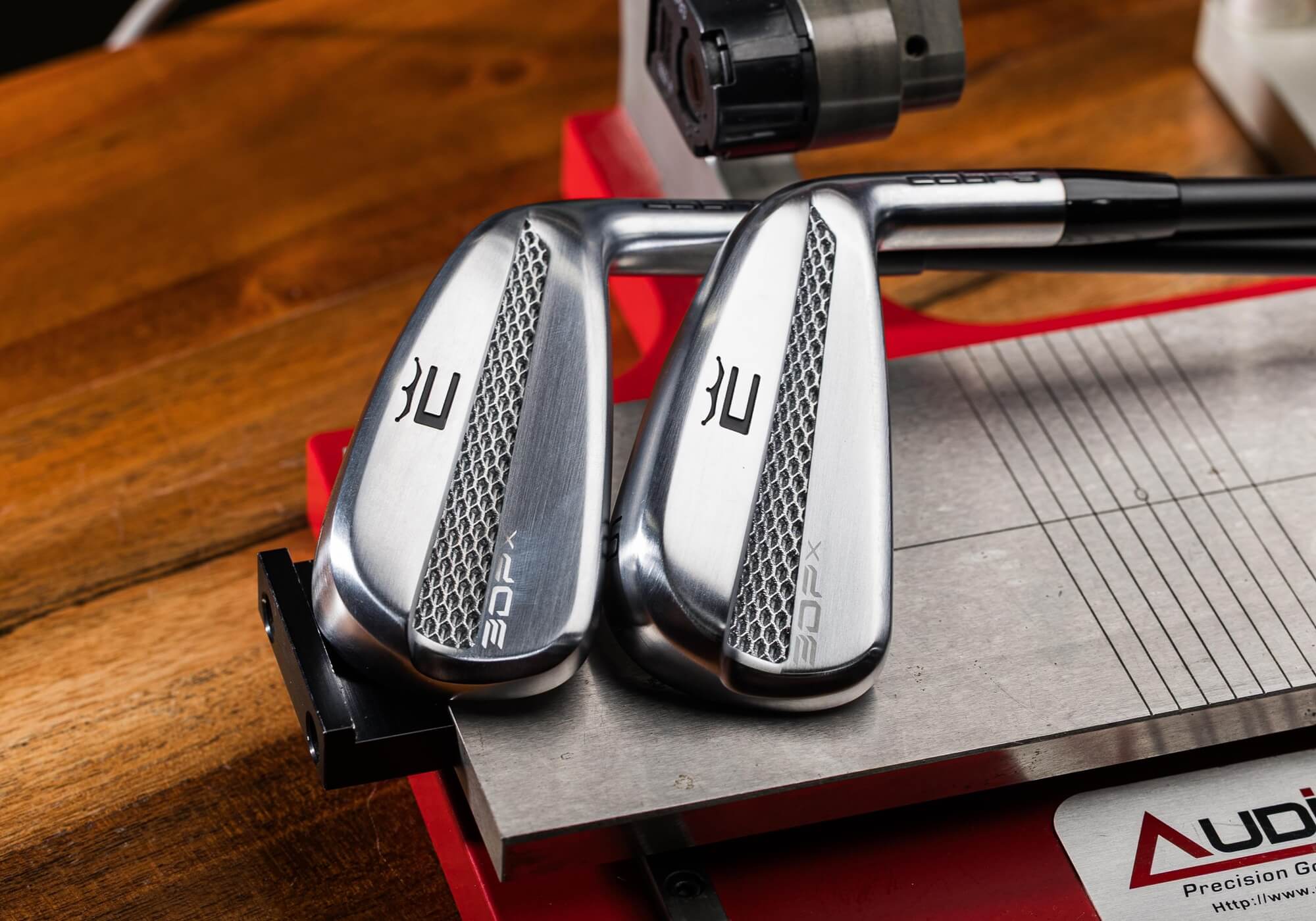
What we don’t know is whether there will be any synergy between COBRA and Wilson. Given the degrees of separation, it seems unlikely in the short term. There are miles of corporate red tape between the two golf divisions, making them more like second cousins twice removed.
In the long term, whether Anta wants two separate and competing golf companies in its portfolio is an open question. On the other hand, Anta is adding another high-profile athletic footwear brand to its empire. In that sense, two golf companies may not be a bridge too far.
When Anta purchased Amer Sports in 2019, it specifically pinpointed golf as a growth opportunity, particularly in Asia. In that sense, owning two brands is better than one.
The post What Does PUMA’s New Ownership Structure Mean for COBRA? appeared first on MyGolfSpy.
Article Link: https://mygolfspy.com/news-opinion/what-does-pumas-new-ownership-structure-mean-for-cobra/