
The 2026 Toulon Golf Concept 59: Daytona Beach line is an interesting exploration of putter alignment.
With this new series of putters, Toulon Golf is proposing that there is a previously undocumented relationship between putter toe hang and alignment scheme. Basically, the toe hang should determine the alignment structure.
Putter alignment is often viewed as something to be determined by personal preference. As such, most companies offer numerous alignment options in hopes of pleasing the multitudes of shoppers.
In your local golf shop, you’ll find putters with top dots, cavity lines, “T” lines, parallel lines, and many other combinations of lines and dots.
Conventional wisdom says that if you pick the one that looks the best to you, it will work the best.
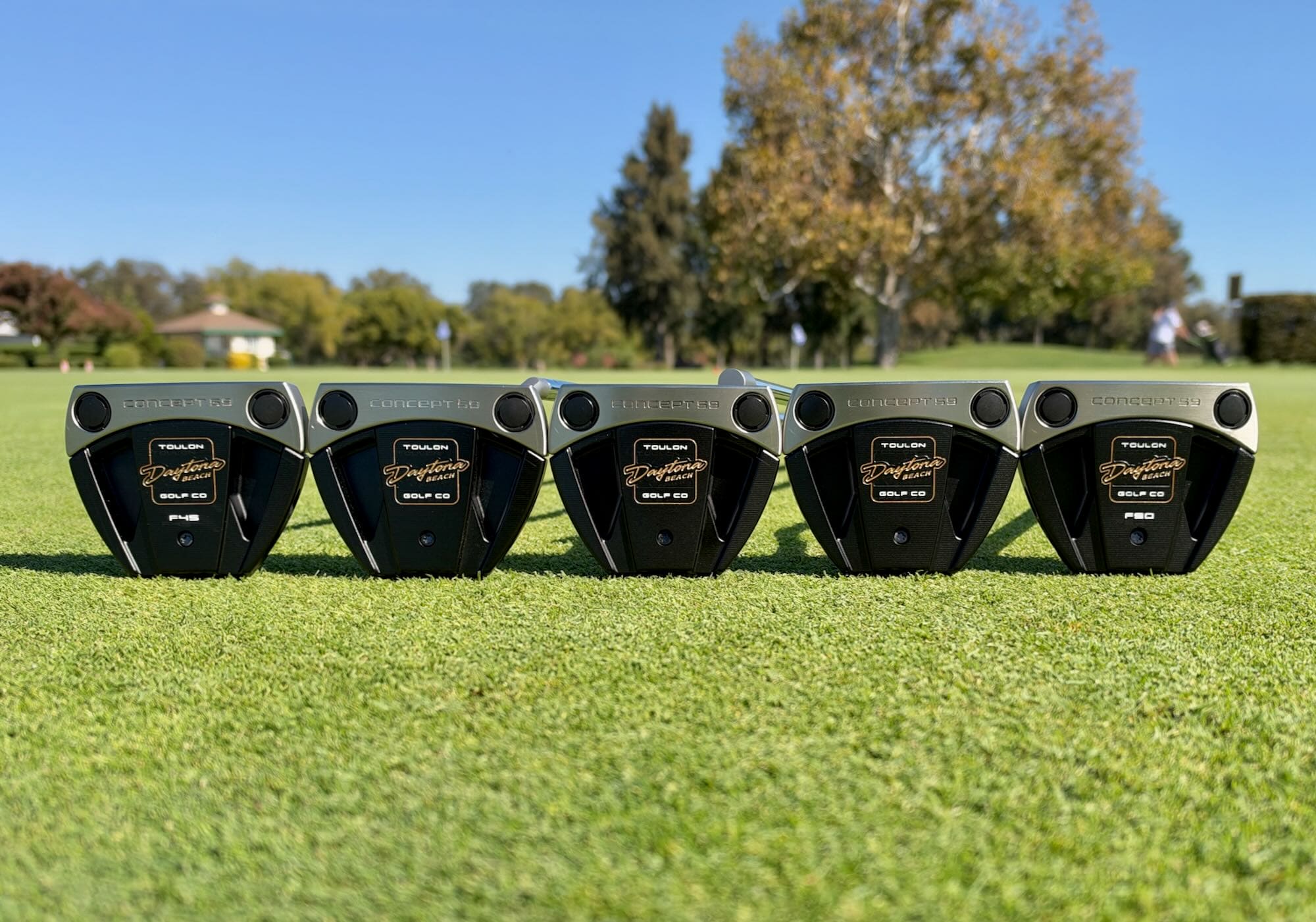
Toulon wondered if selecting alignment subjectively by visual preference could actually be hindering performance.
What if the putter build, not the golfer, should determine what alignment scheme is appropriate?
That is the concept that Toulon Golf is exploring with the Concept 59: Daytona Beach release. Could there be a putter-specific alignment build formula that has been overlooked by companies for decades?
Toulon thinks they may have figured something out by combining how golfers see and move the putter.
As the toe hangs less, the line gets longer
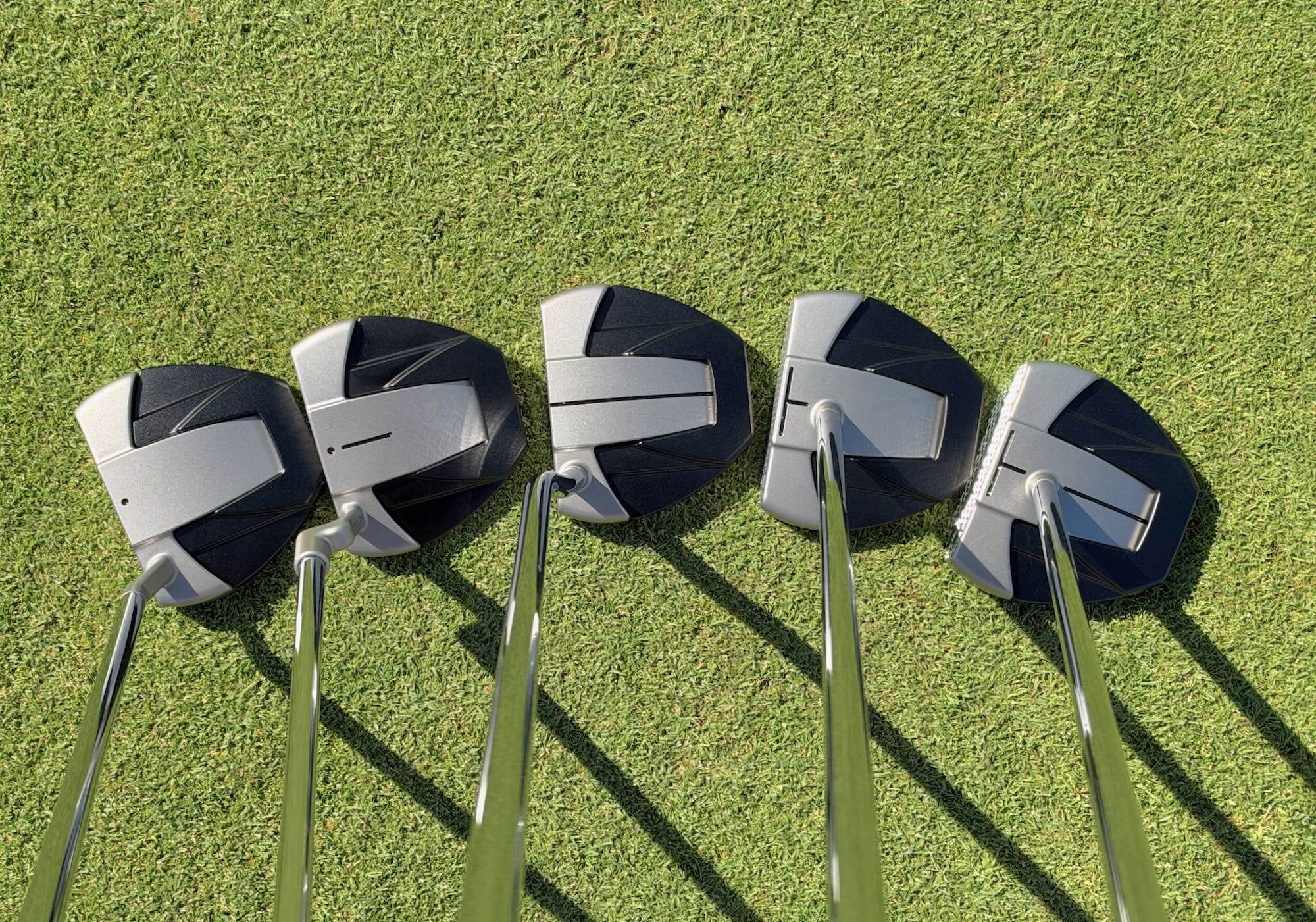
The short version of Toulon’s conclusion is that the amount of toe hang and the length of the alignment line should be inversely proportional.
During their fitting sessions and subsequent testing, they determined that the nature and length of the line influenced the putter’s closure rate.
Obviously, the line doesn’t influence the putter. Instead, the line influences the person using the putter. As one would expect with visual alignment schemes, it is a story of perception.
For example, a customer reported to them that it seemed to take a great deal of effort to get a putter-length line back on target with a slant-neck mallet.
That conversation could have been dismissed as an outlier but it instead got Toulon thinking about a possible relationship between line and toe hang.
Most of the time, history dictates the alignment scheme we will see on a given putter. If a putter had a cavity line in the last release, it will probably have one in the new release.
Toulon wanted to see if not following that tradition was a way to move putter design forward.
Concept 59 is all about trying out new ideas
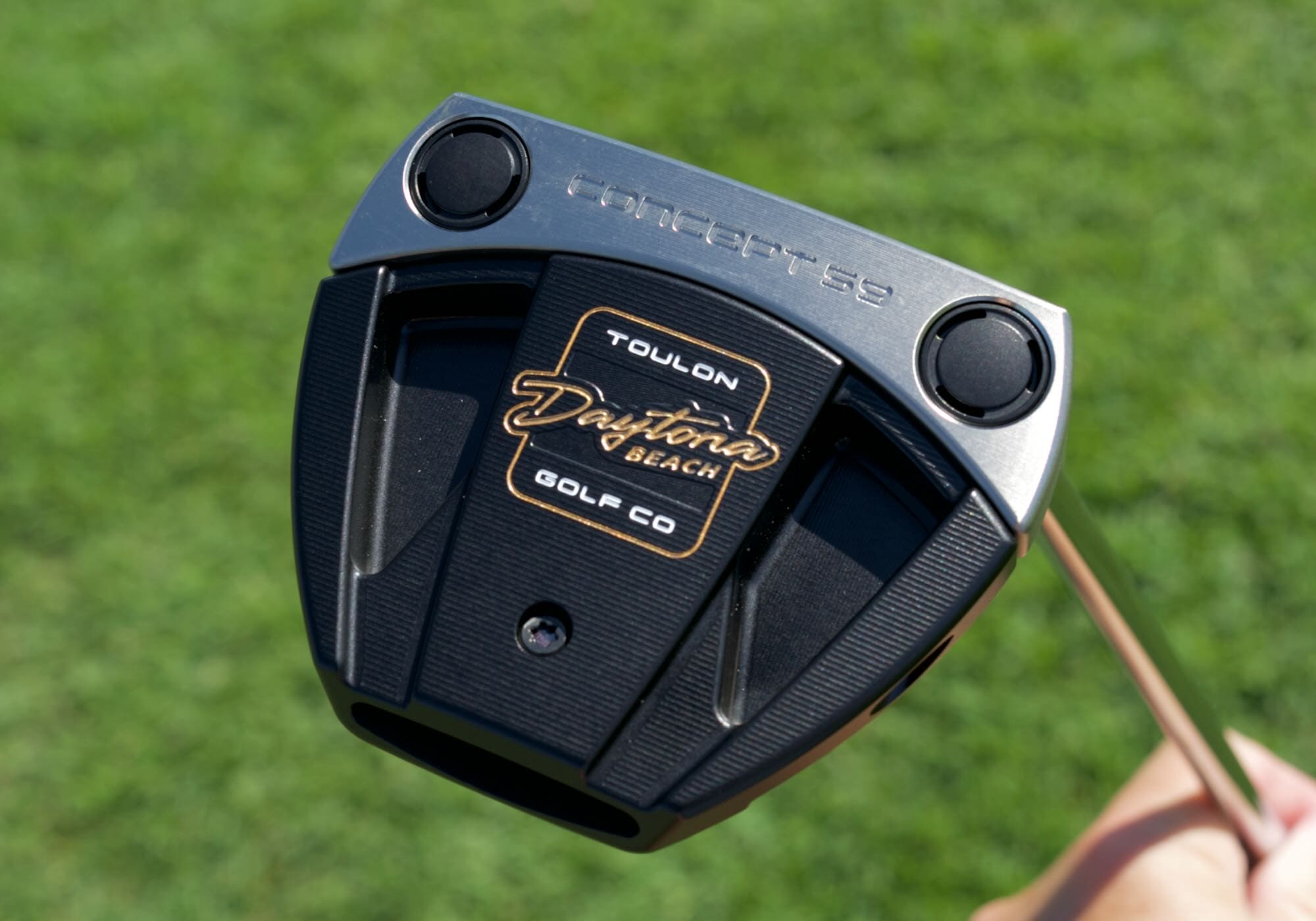
The Concept 59: Daytona Beach is the second Concept 59 release for Toulon Golf. The first was the zero-torque Roswell putter that was released in December 2025.
The “59” in the Concept 59 name is the birth year for Toulon Golf founder Sean Toulon. To say Sean Toulon’s work has been significant in club design history would be a gross understatement.
I could list numerous accomplishments, all of them influencing the modern state of golf equipment.
For brevity’s sake, I’ll just mention that Sean Toulon developed the TaylorMade Spider. I’m not sure that mallets would be as prevalent as they are today without Toulon building that icon.
That is what the Concept 59 putters are all about. They incorporate Sean Toulon’s past history as a putter designer. Additionally, since he refuses to retire (not for lack of trying), Concept 59 releases also include Toulon’s latest ideas and designs.
Concept 59: Daytona Beach basics
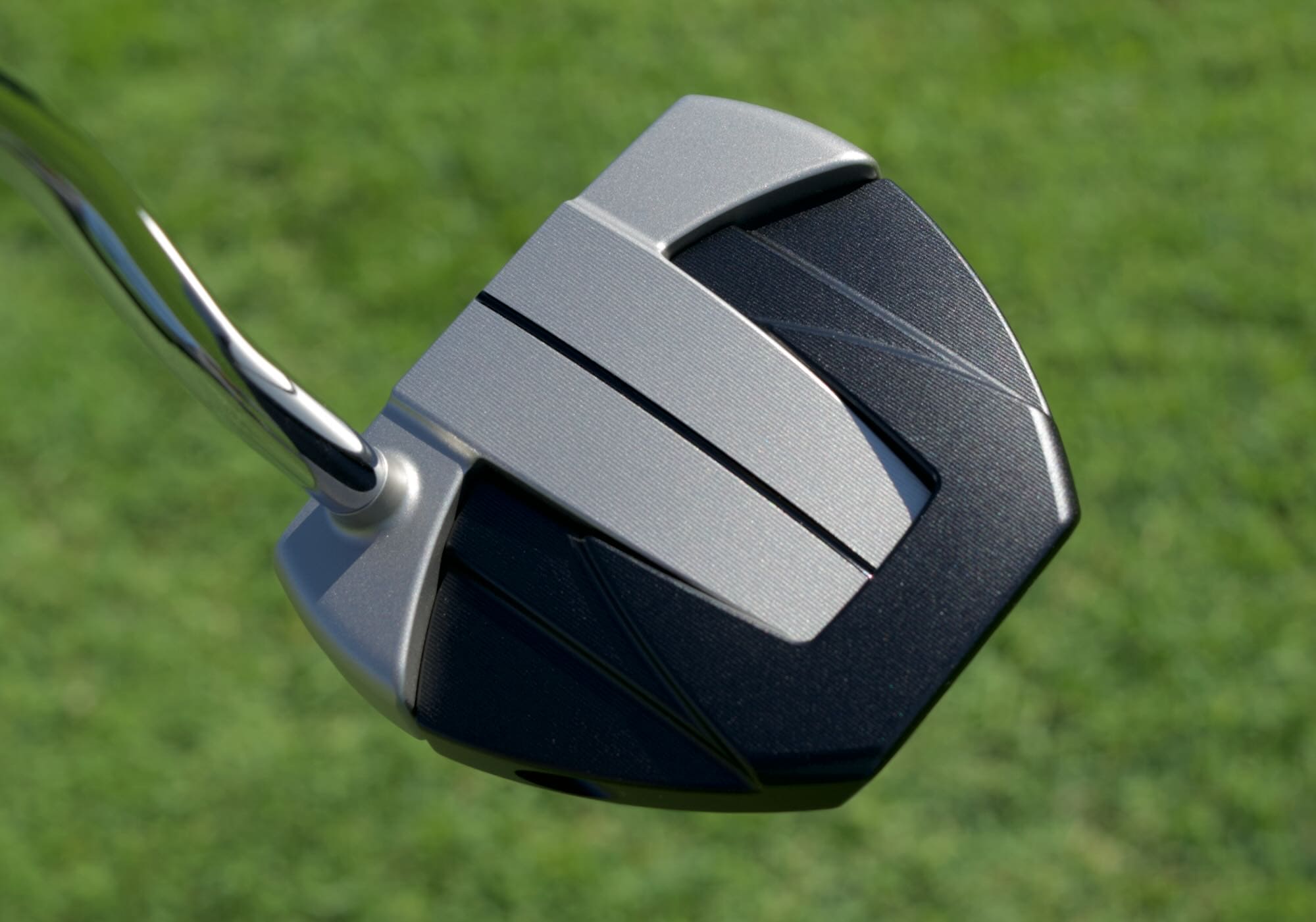
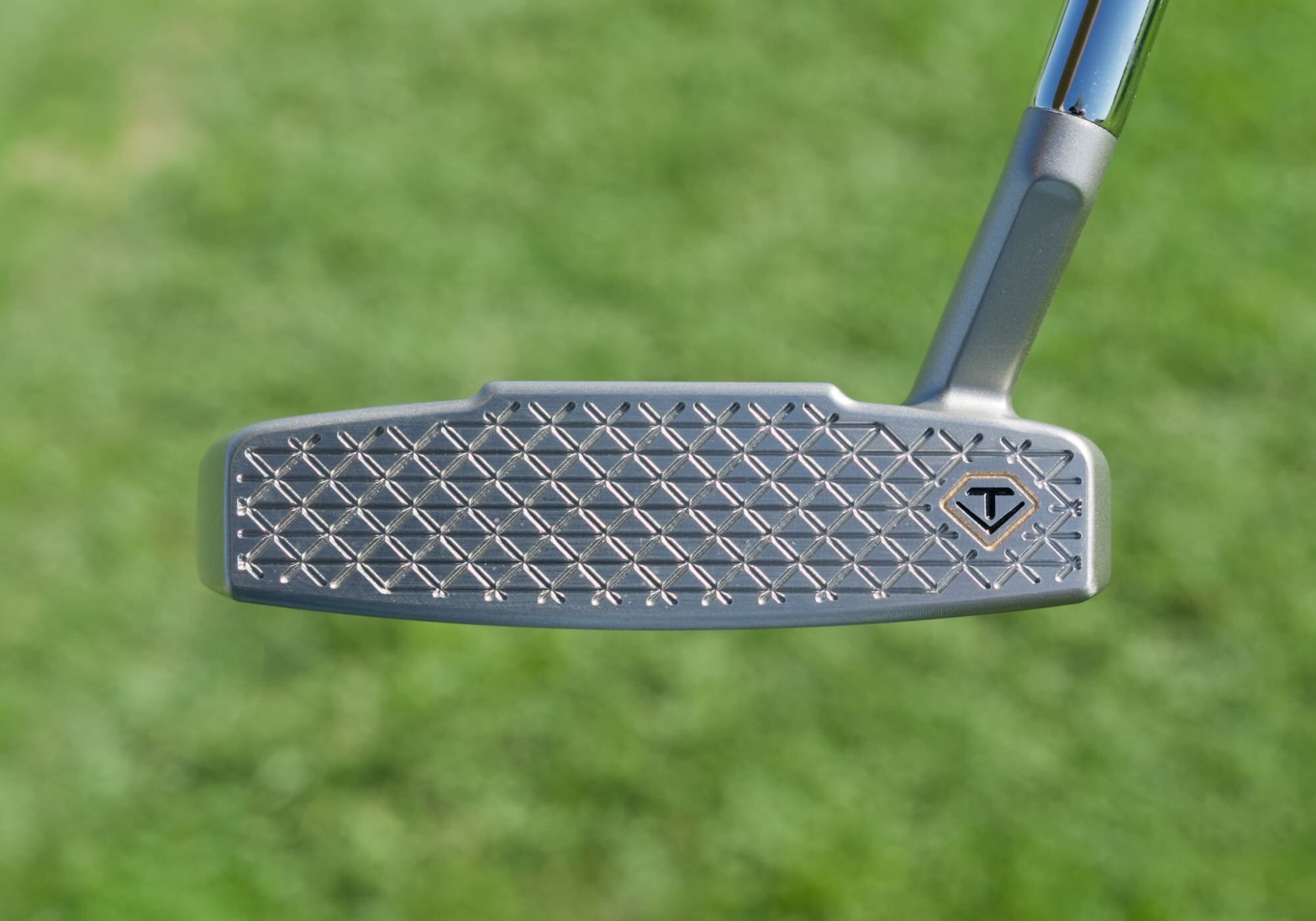
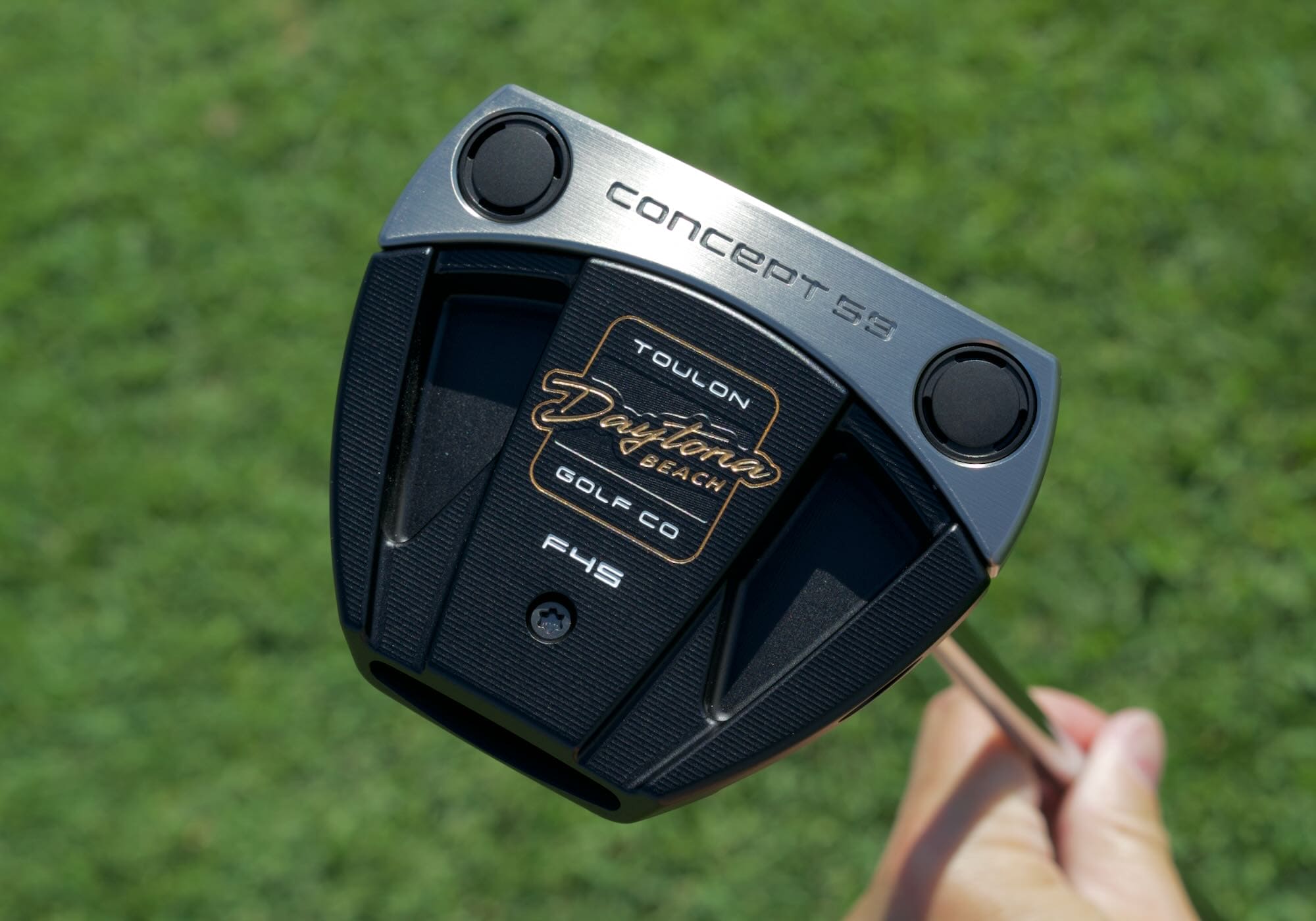
For this release, Toulon merged the old with the new by building their experimental toe hang/alignment scheme into an updated version of their Daytona Beach mallet.
It’s been a while since they have made a Daytona Beach. When the Daytona Beach was released back in 2022, Toulon Golf was still the milled putter arm of Odyssey Golf.
Naturally, Toulon had to give the Daytona Beach a fresh reshaping. Gone is the open-wheel racecar look. Toulon replaced that with one of the most interesting rear-end intersections of steel and aluminum that I’ve seen in quite a while.
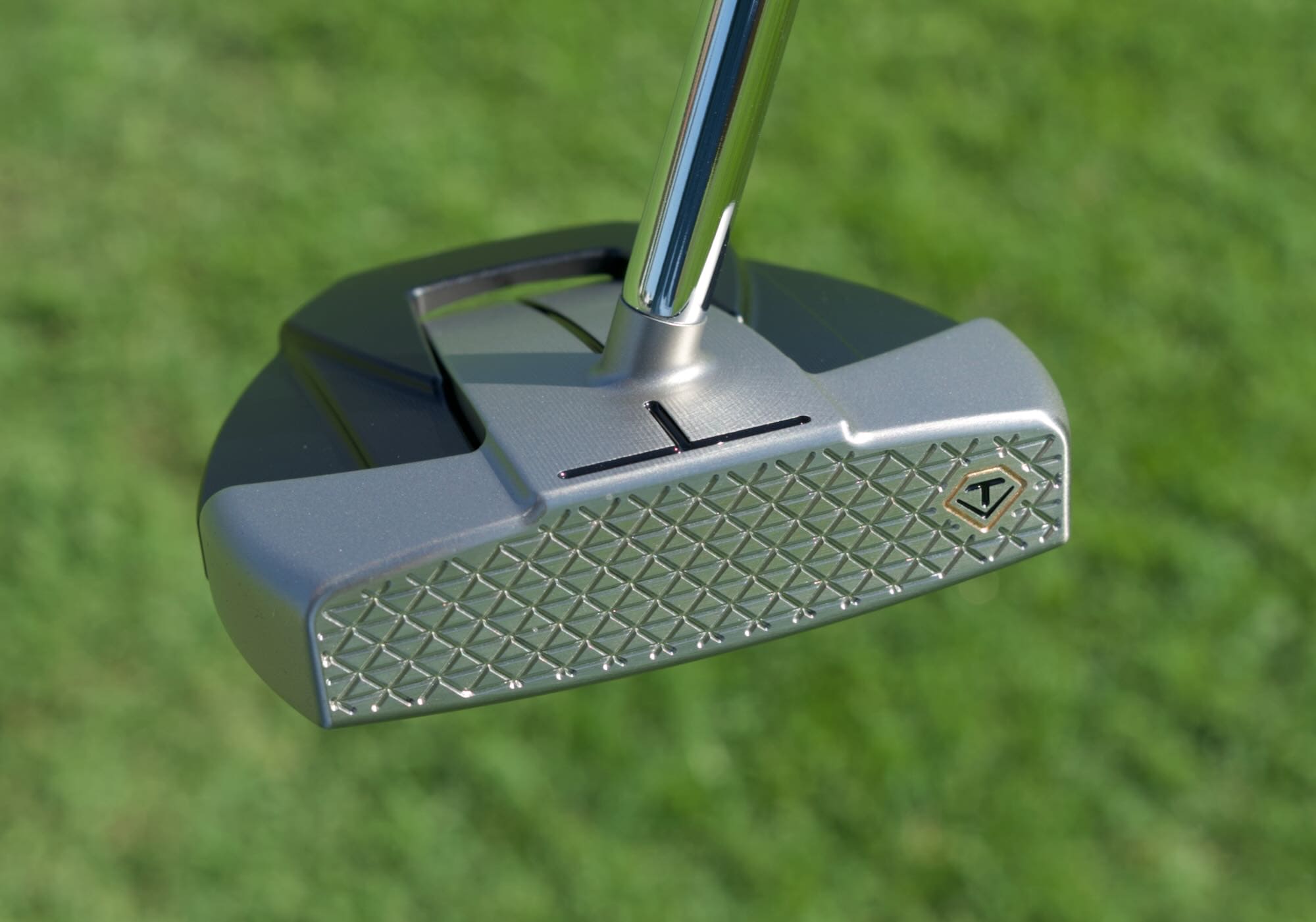
The putter has a dollop of history and a heavy dash of newness, making it a perfect Concept 59 design.
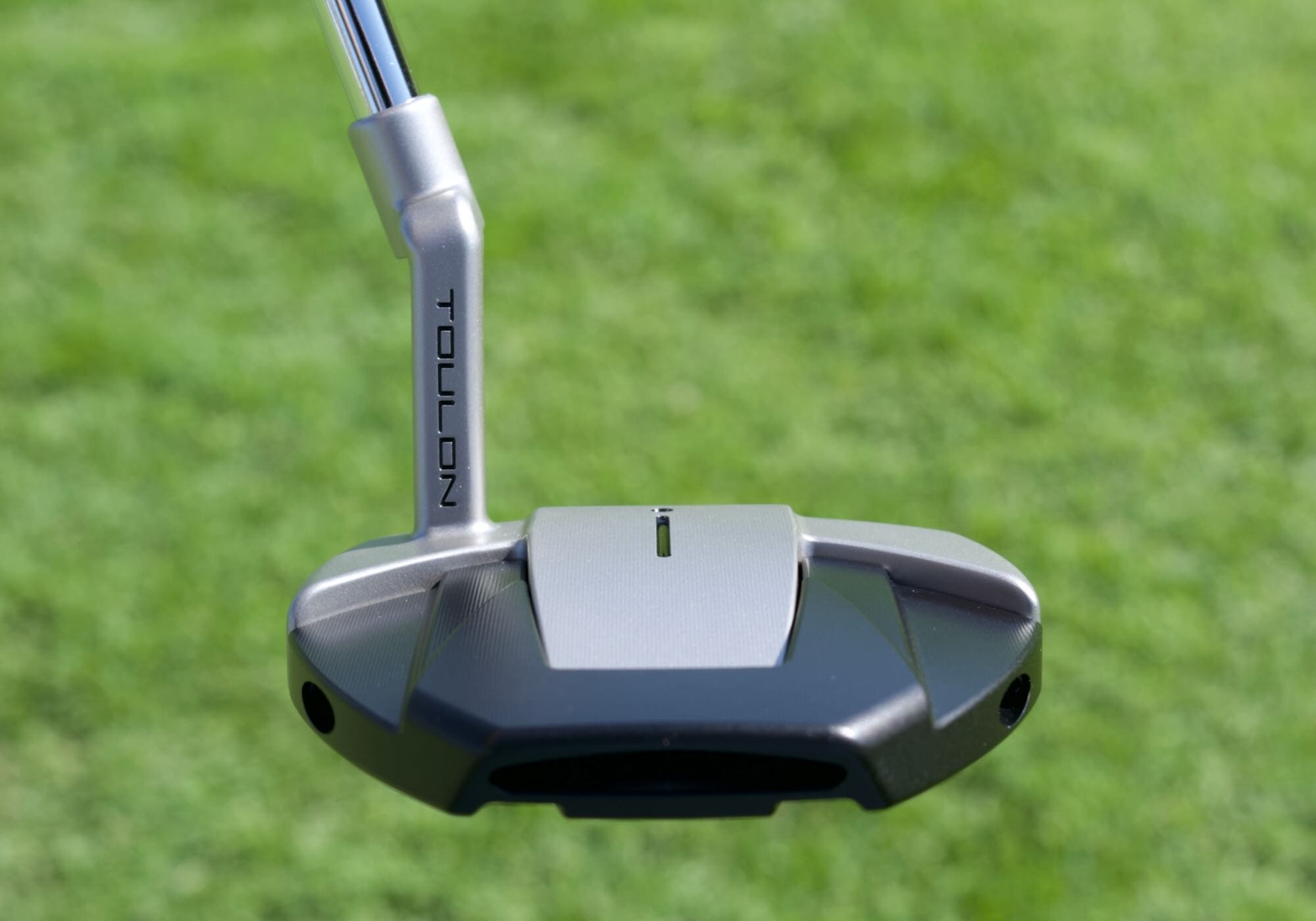
The front section of each putter is milled from 304 stainless steel. The rear sections are milled from 6061 aluminum. This multi-material design moves the center of gravity towards the front of the putter and boosts the moment of inertia values above 6,000.
(Yes, that is a significant MOI.)
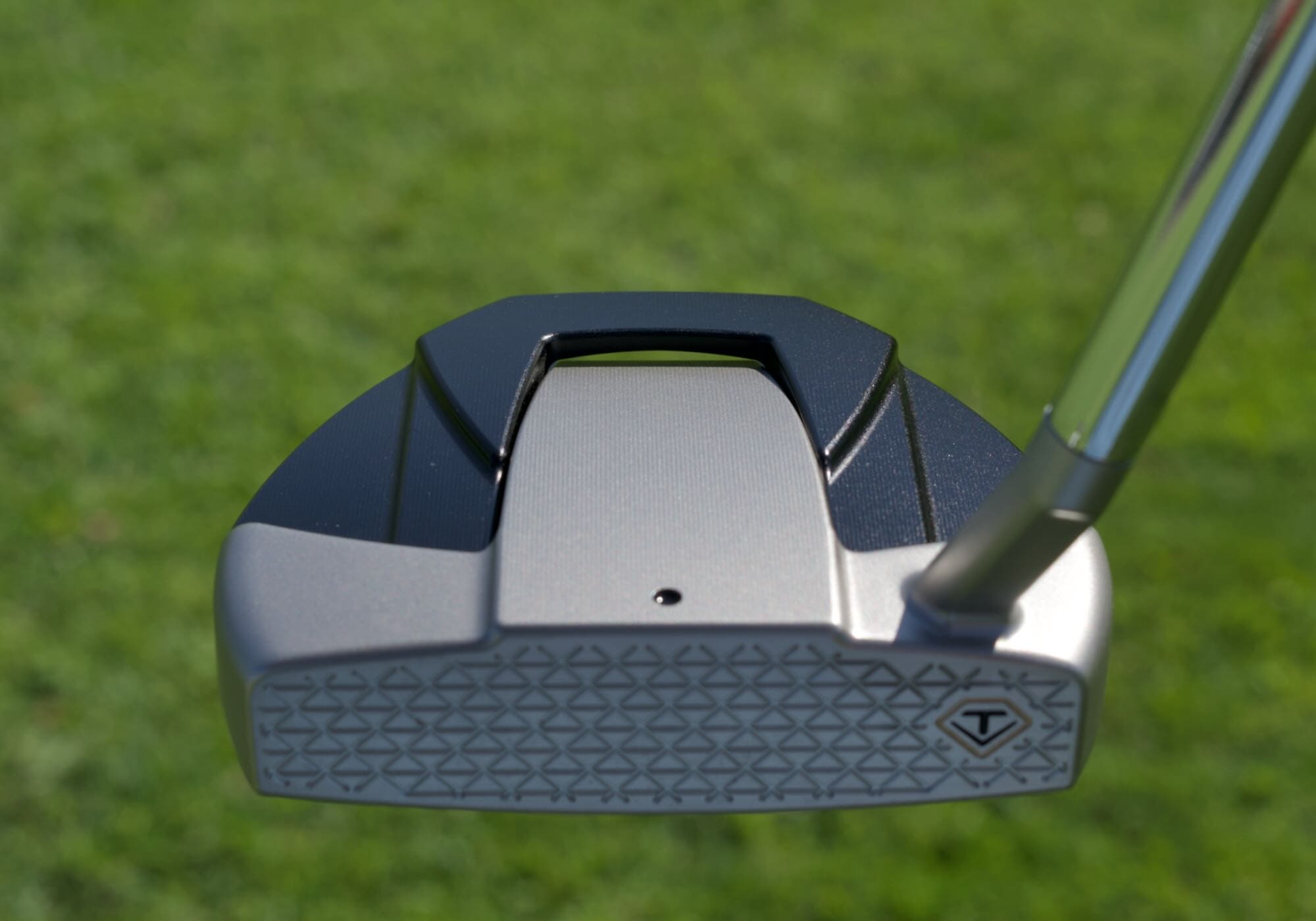
Aesthetically, one of the coolest features is how the central stainless-steel section transitions under the aluminum at the rear of the putter. It creates a cool look I don’t recall seeing before.
For the most part, the Daytona Beach putters are built to the same specifications. The heads weigh 360 or 365 grams, have three degrees of loft and 70-degree lie angles. Naturally, they can all be built to custom specifications.
Necks, dots and lines
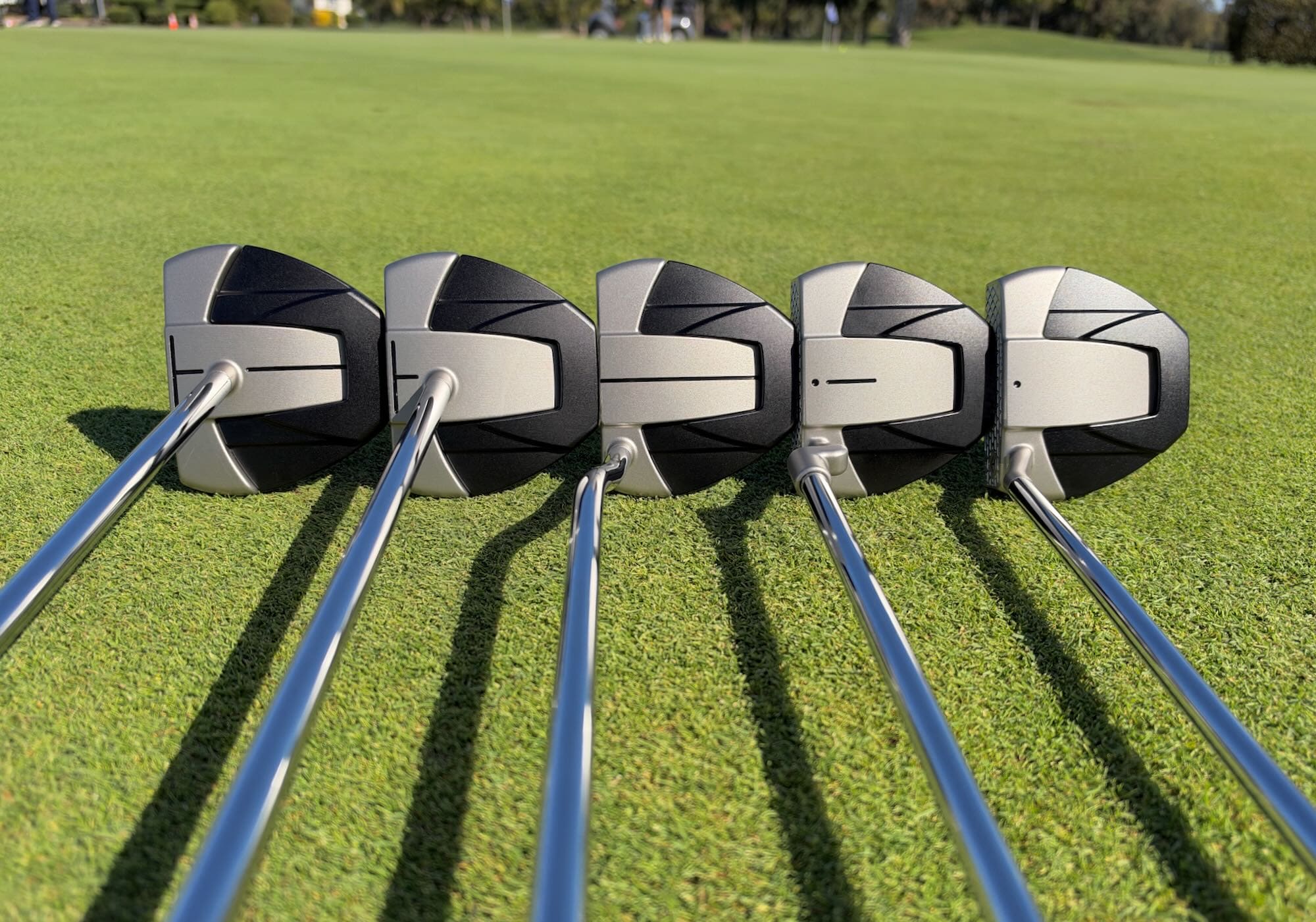
The necks and alignment lines are the variable elements in the Concept 59: Daytona Beach putters. The necks cover the range of toe hangs:
- H4.5 neck: 33° toe hang
- H1 neck: 20° toe hang
- Double Bend neck: 0° toe hang
- Formula 45: -45° toe hang (points above horizontal)
- Formula 90 neck: -90° toe hang (toe up)
As the toe hang decreases, the length of the alignment scheme increases. Here how the alignment schemes are paired with the necks:
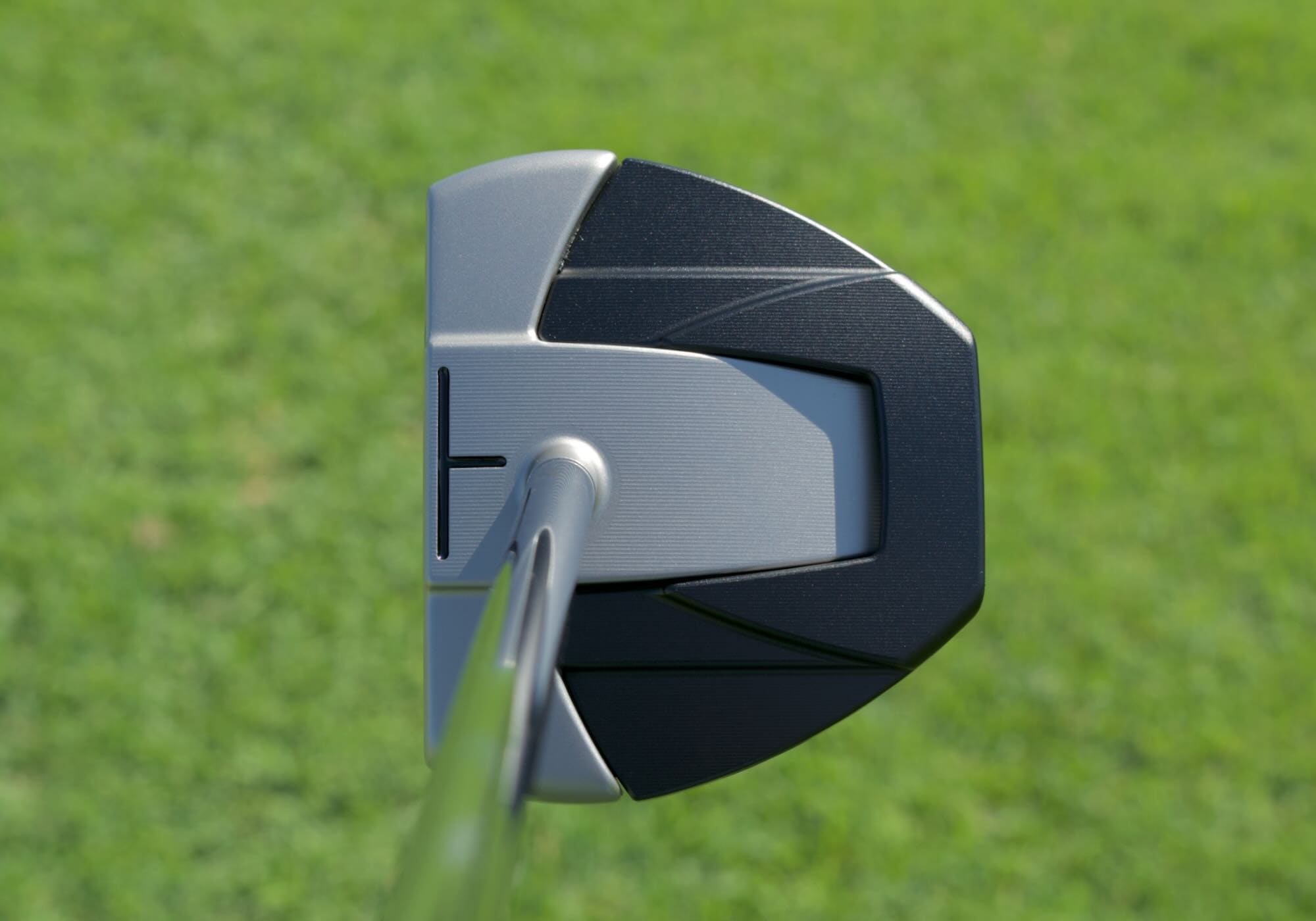
- H4.5 neck: single sight dot
- H1 neck: sight dot and short line
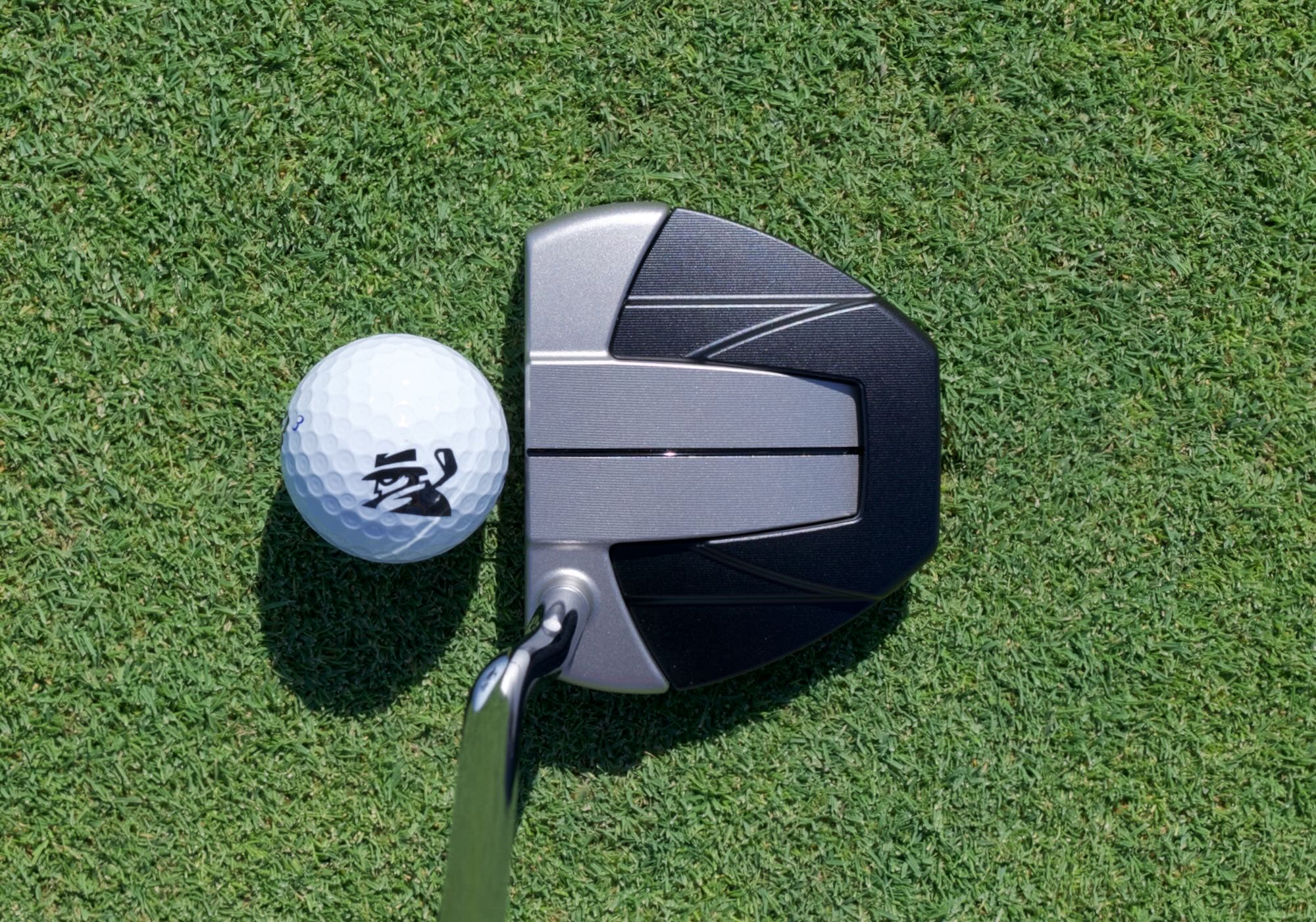
- Double Bend neck: body-length line
- Formula 45: short T line
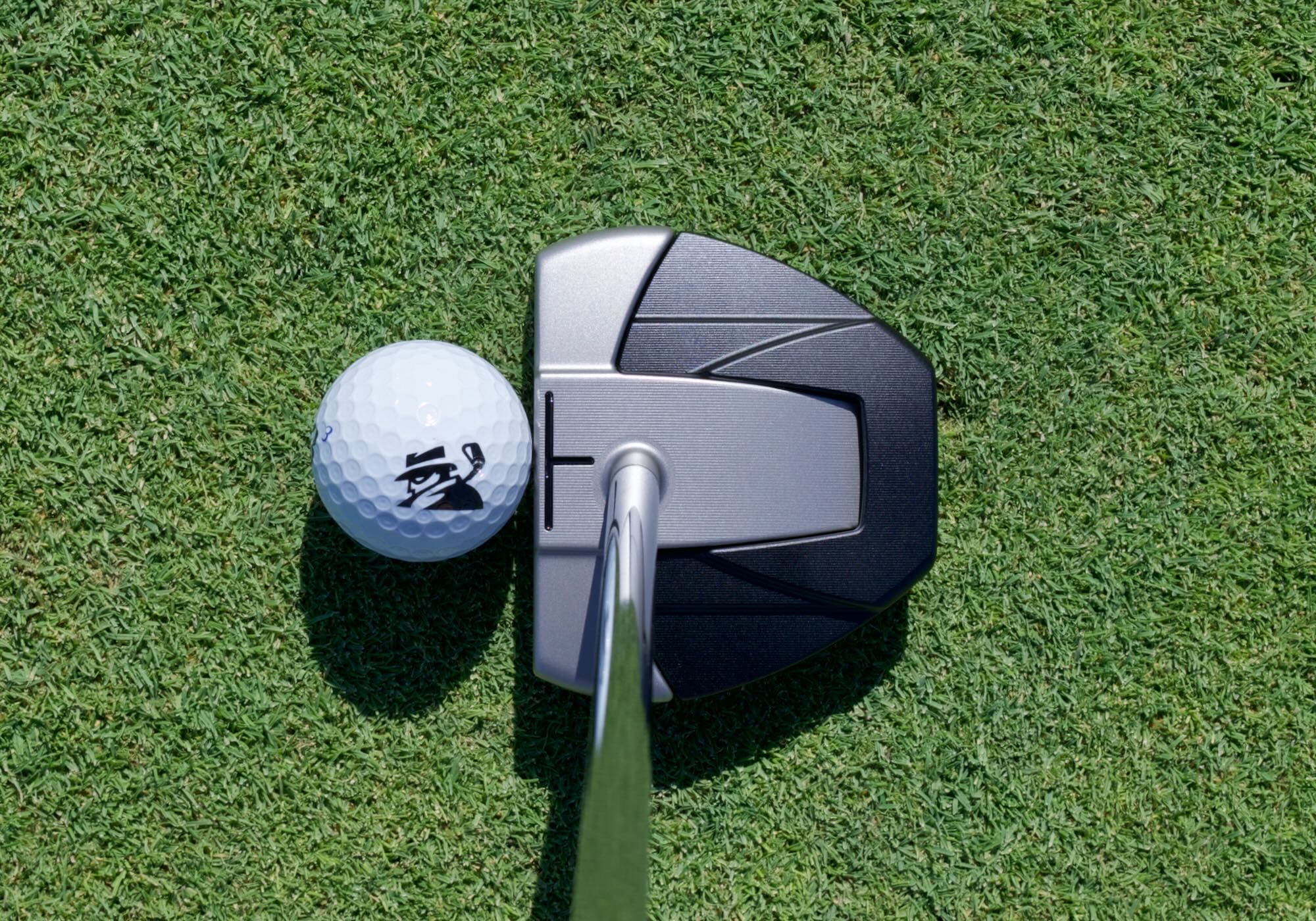
- Formula 90 neck: body-length T-line
As you can see, the toe hang is inversely related to alignment size. Toulon believes this better suits the needs of players who putt best with a given toe hang.
Our theory is that putters designed for more face rotation should feature less visually invasive alignment. As the intended rotation decreases, the alignment system becomes progressively more prominent, providing the golfer with more visual structure and directional cues.
-Toulon Golf
Naturally, I had to see for myself if this theory had merit.
Trials on the grass
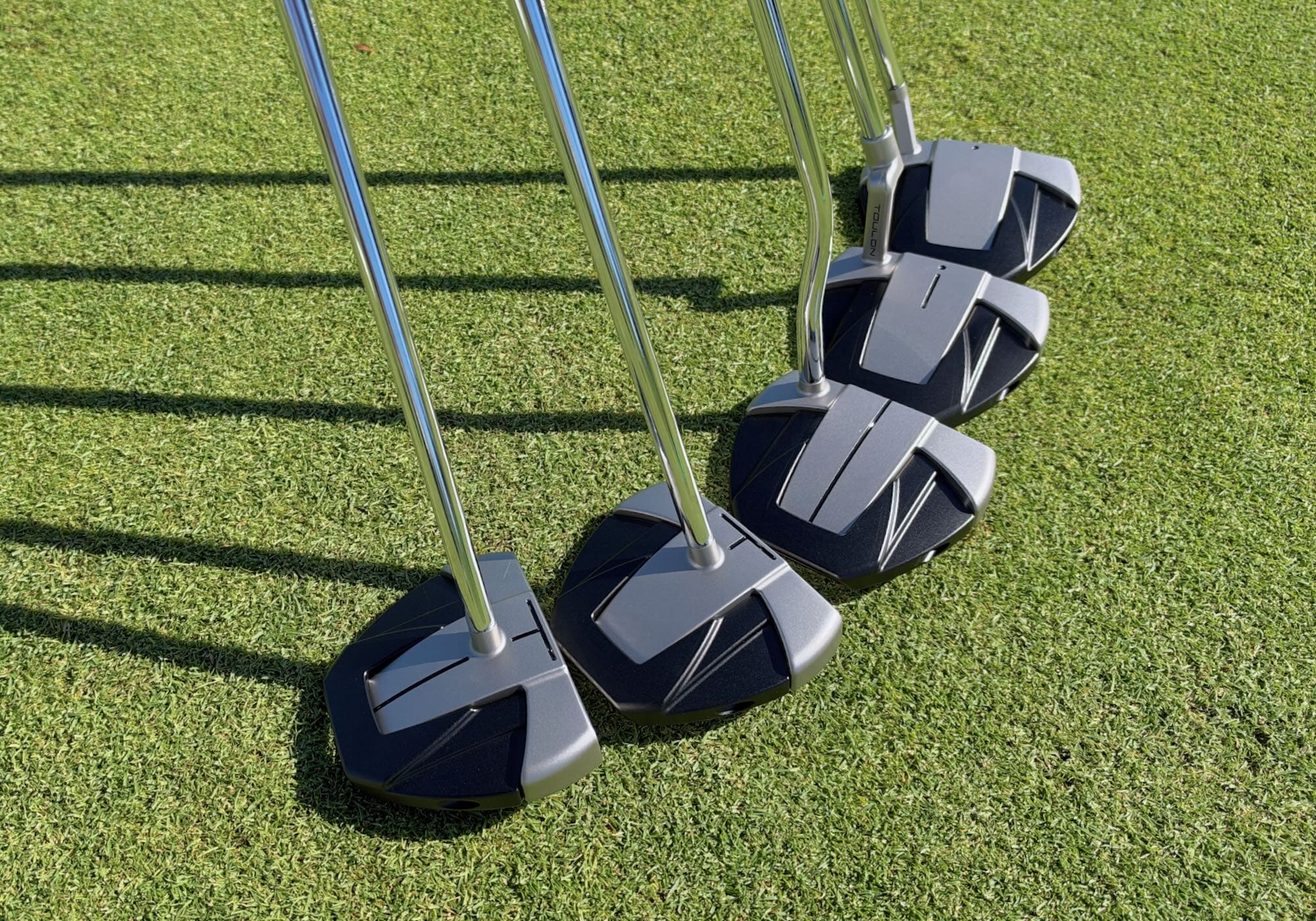
I was fortunate enough to have a set of the Toulon Concept 59: Daytona Beach putters to test. Would the putter that best fit my stroke also have an alignment scheme that suits my eye and targeting needs?
Before I rolled them, I had a hypothesis about which model would be the winner for me based upon my usual toe hang preference.
I was partially correct as well as very surprised.
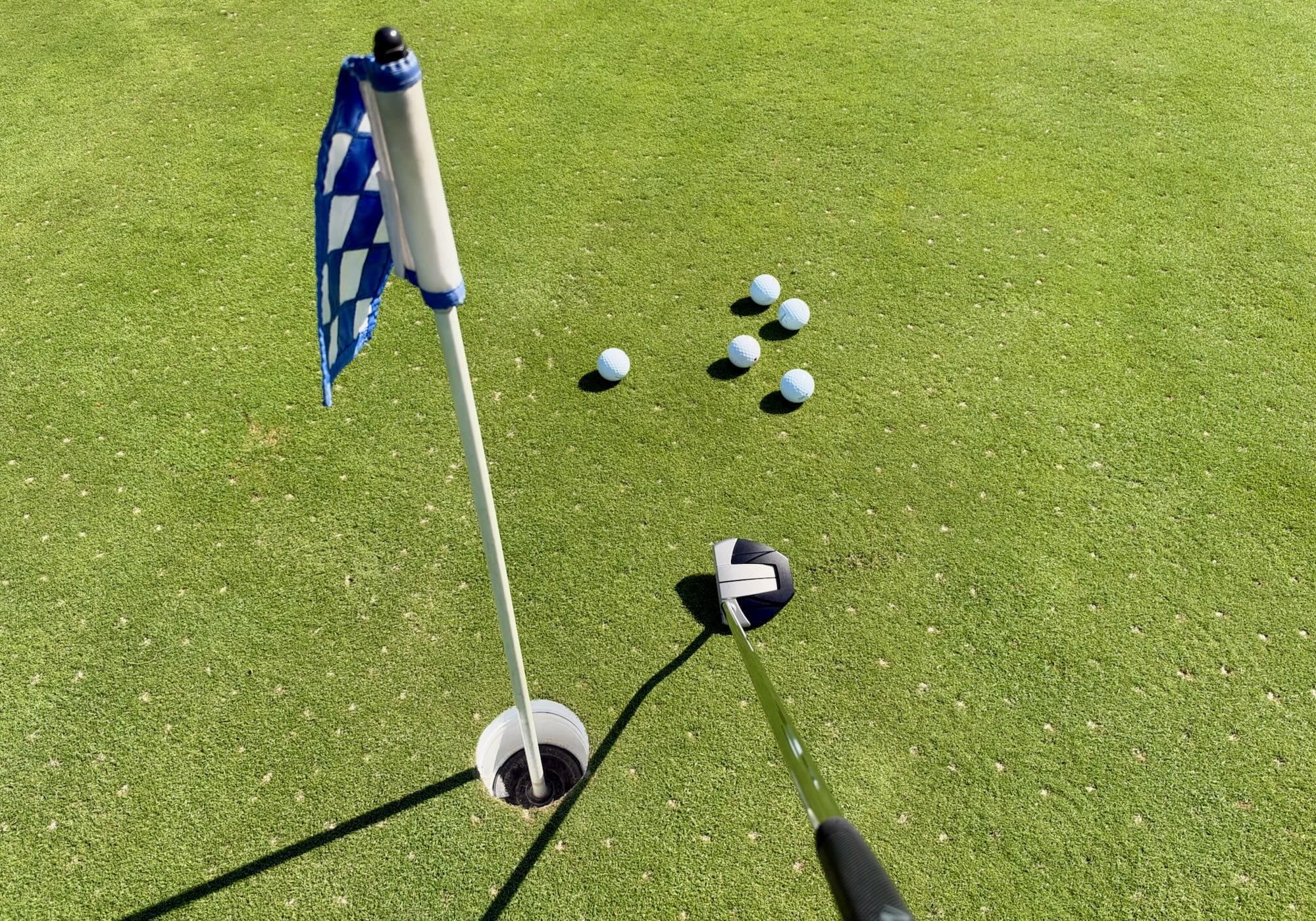
To test the Concept 59: Daytona Beach putters, I set up five-, 10- and 20-foot test areas on a local practice green and randomly grabbed putters out of my bag for testing. I also included a few of my current gamers as controls and occasional palette cleansers.
I repeated the test the next day on a different practice green just to be sure that what I observed on Day 1 also occurred on Day 2.
There can be only one
Two putters were eliminated from the Dave’s Favorite competition fairly quickly. After a couple of sessions through the cohort, I was able to remove the double-bend and Formula 45 builds from my test pool.
This did not surprise me. Historically, I either need a little toe hang or a full zero-torque build. I gave these two a fair shot but it was obvious neither was going to end up getting bag time.
What was fascinating was that the grouping was consistent for both putters. I was delivering the putters the same way consistently but I couldn’t get either one to go at the target.
The Double Bend Daytona Beach was also the only putter that was consistently long. Something in the build was influencing how I delivered the head to the ball.
It also missed right. Usually this tells me that the putter has too much toe hang. Since the Double Bend Daytona Beach has zero degrees of hang, it could be that the long line was guiding me right.
Regardless, it was not a fit for my stroke.
Adding some toe hang and removing some paint
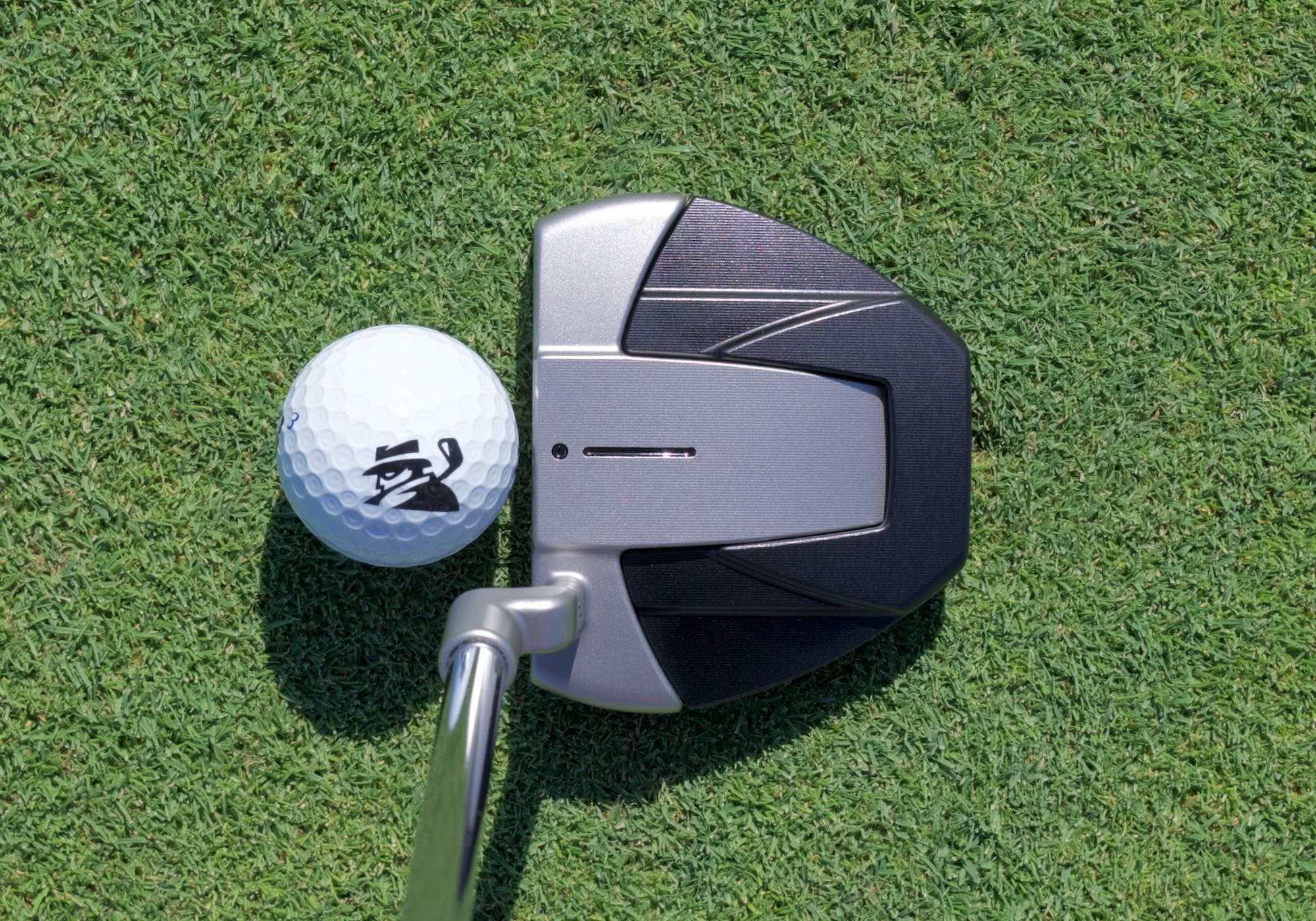
I’ve been playing a plumber’s neck mallet for a while and I thought the H1 neck Daytona Beach would be the overall winner. It came in second, or maybe third, over the two days of testing.
It had flashes of brilliance but I just don’t like looking at the short line on the top. I had a similar issue with the Scotty Cameron Phantom 9.2R that also has a short top line.
My putting improved with the H1 when I just focused on the dot. Maybe even that line is too long.
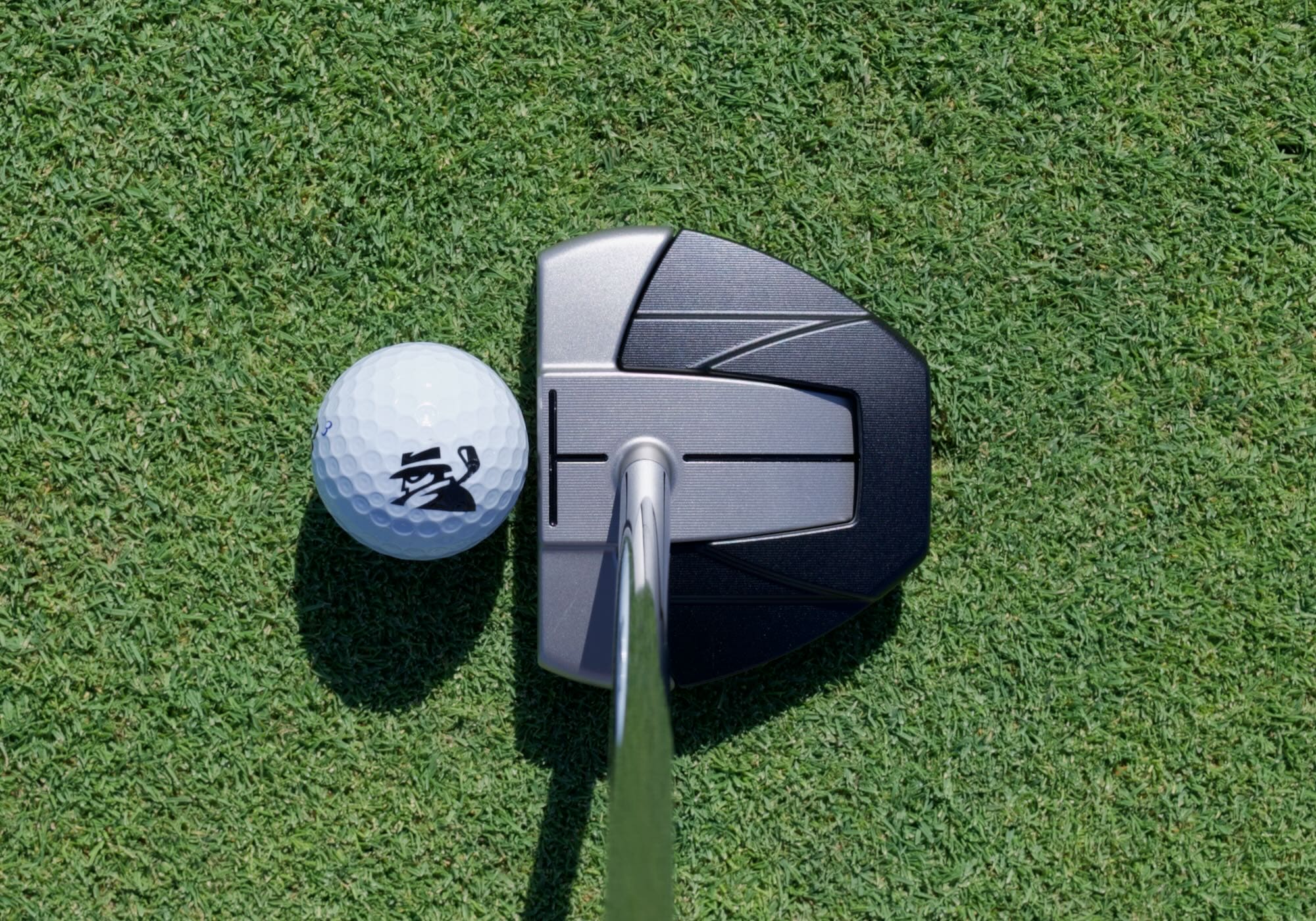
I had a feeling the Formula 90 Daytona Beach would be a good match and it was. It was interesting to compare it to the original Formula 90 which is also a derivative of the Daytona Beach shape.
The original Formula 90 is still quite a weapon for me but I prefer the new look of the long T line to the Formula 90’s three front lines. Distance control was a bit inconsistent with the Formula 90 which is why it ended up battling the H1 for second place.
Big swinging winner
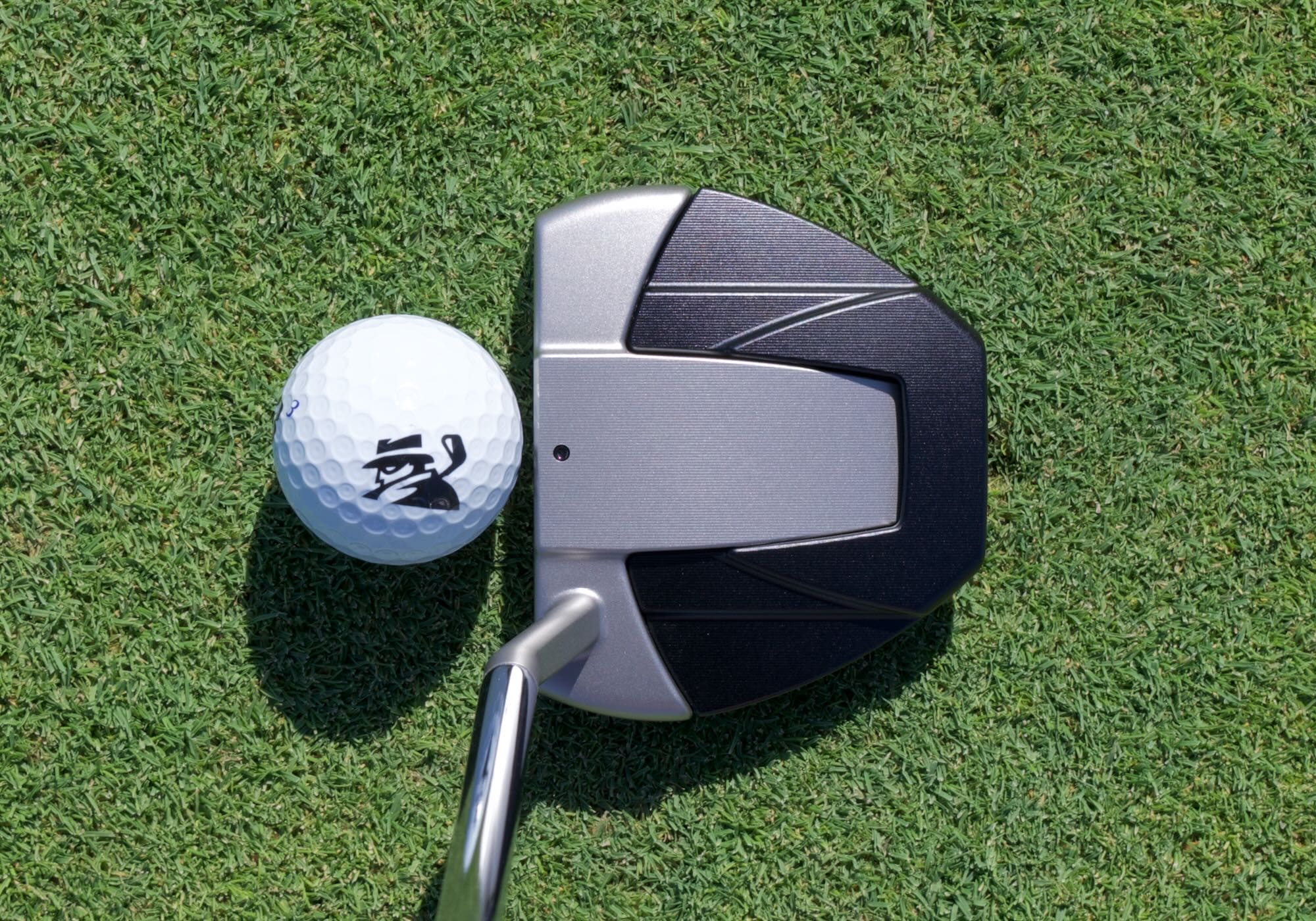
Before I rolled balls, I assumed that the Daytona Beach H4.5 would be at or near the bottom of the pool for me. I adore slant-neck mallets but they often tell my putts to fly and be free. Typically, I get tighter dispersal when I just throw balls at the cup from the parking lot.
Life is full of surprises.
The Daytona Beach H4.5 was the first putter I used on Day 1 and it dropped balls into the cup immediately. By the way, on that day, I was using a two-inch cup as the target. It was the only cup available on the practice green and I figured it would give me more surrounding grass to study dispersal patterns.
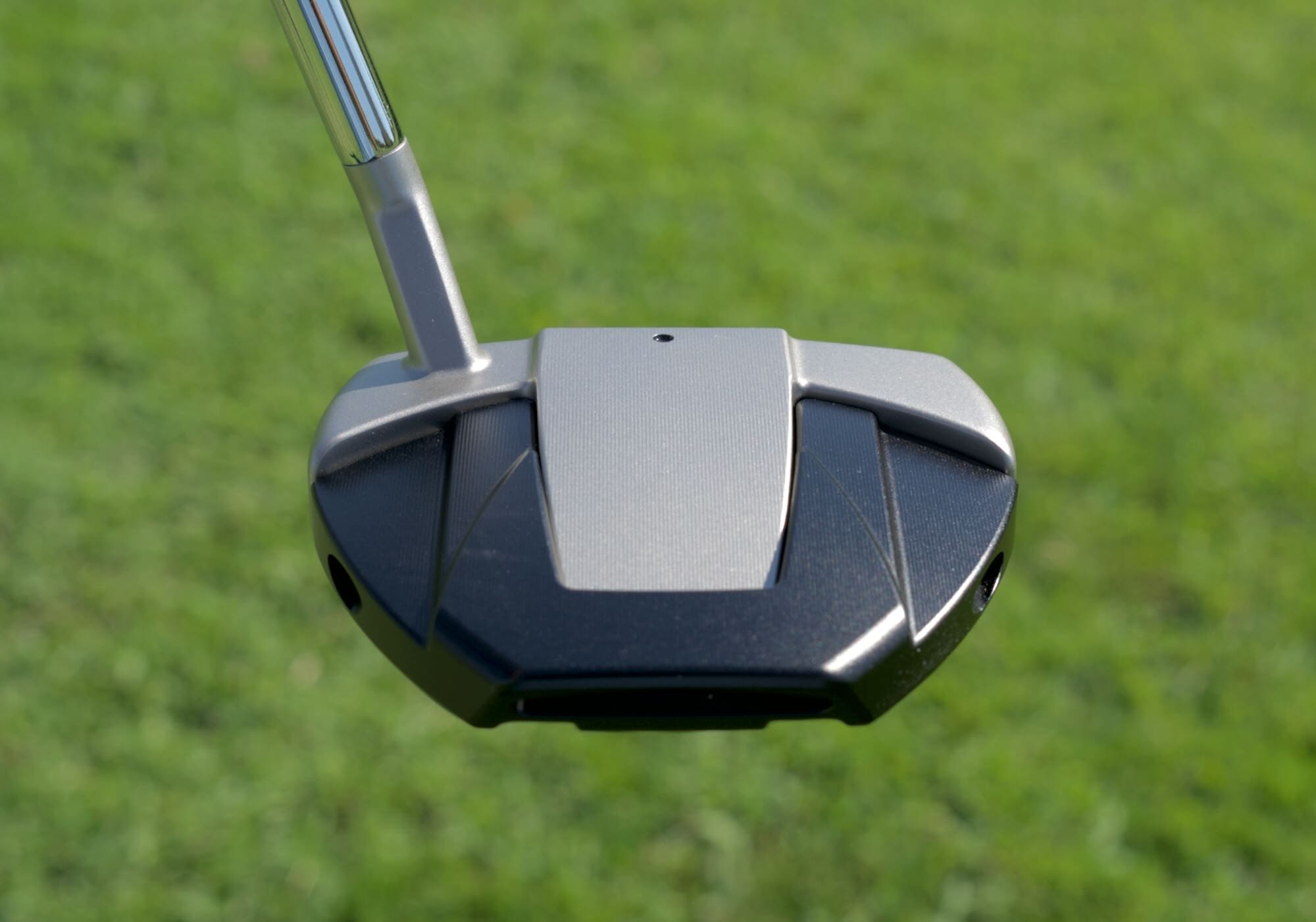
The H4.5 definitely gives the Daytona Beach a slinging feeling during the stroke but I’ll be damned if it doesn’t somehow return square to the target line.
Since it was the first putter, I just considered it to be beginner’s luck. Especially when I dunked a pair of 20-footers.
Once I ran through the other putters, I knew that the H4.5/sight dot combo was the right fit for me.
Is Toulon Golf on to something?
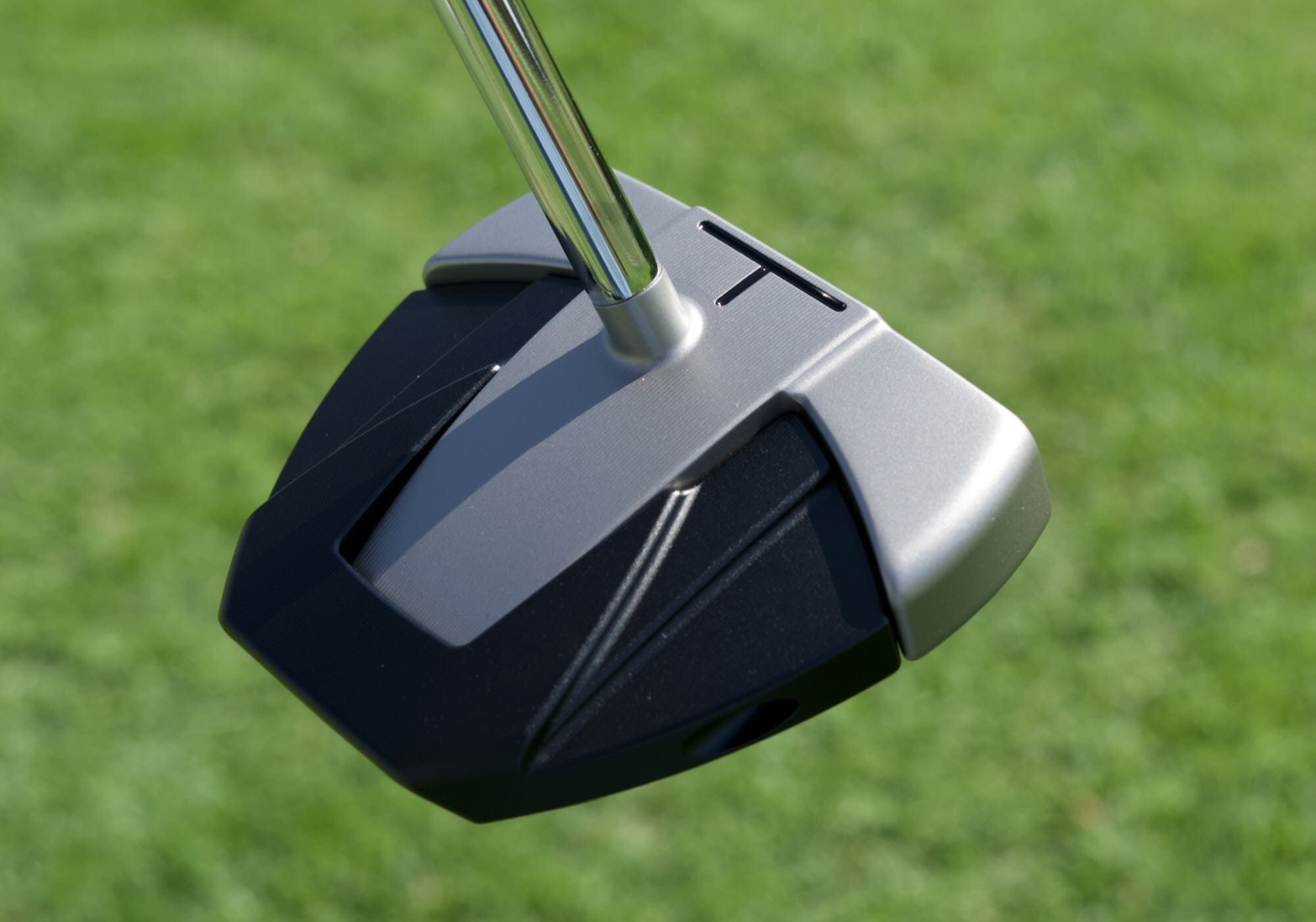
I’m not sure I can say Toulon has cracked the alignment code but it feels like they are on to something. One thing I noticed was that with both the H4.5 and H1 models, my eyes were drawn to the front of the putter. It felt like I was only putting with the silver section of the putter.
I don’t know I saw the rear of the H4.5 at address with all of my focus being on the dot and the face angle.
When the sight line was extended, targeting became more of a whole putter exercise. For the reduced toe-hang putters, the long T line on the Formula 90 was the most effective targeting tool for me. It worked as a reminder that the putter would be traveling along a straighter path through the ball.
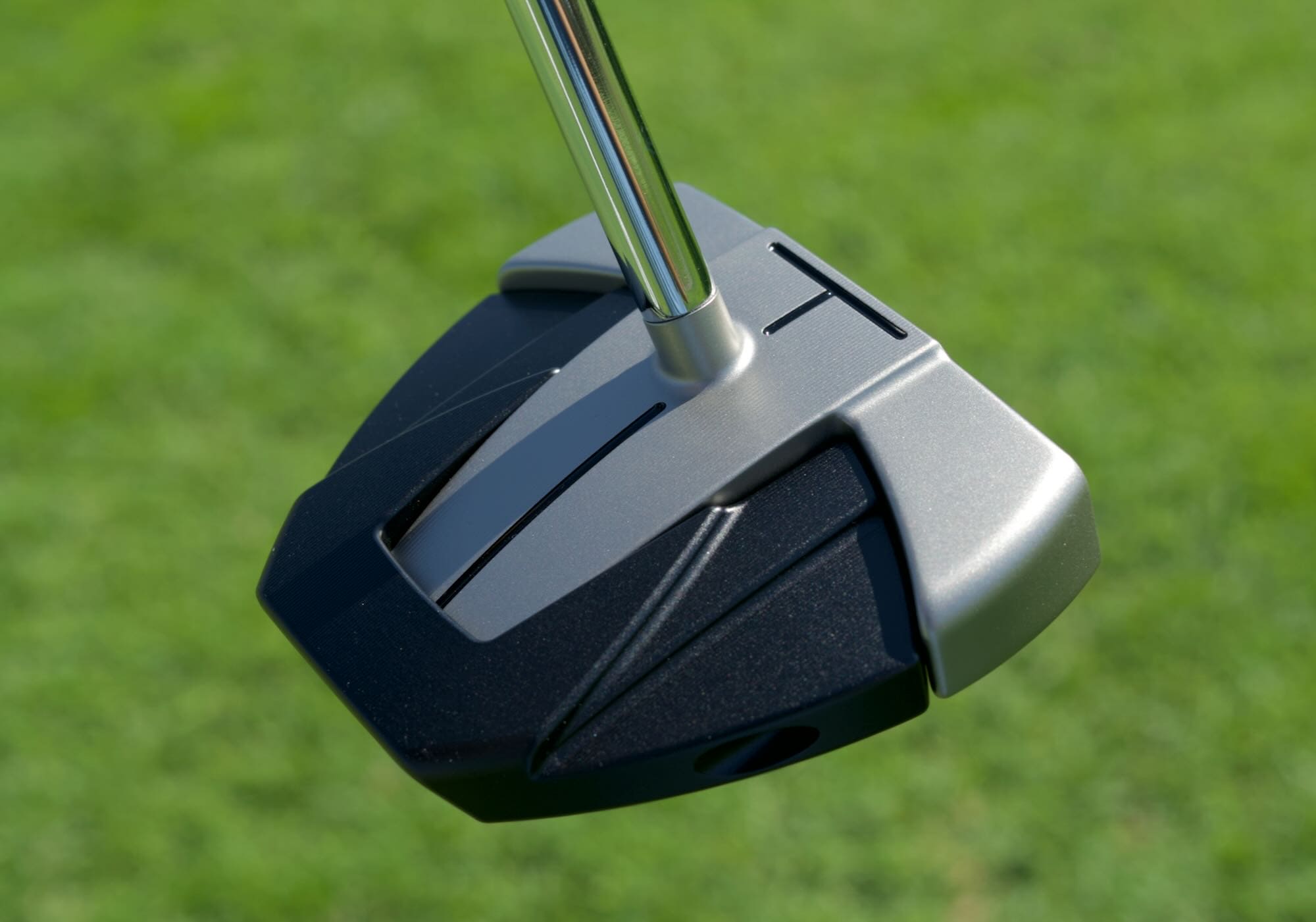
After all of the putting, I struggled with trying to find a definitive correlation with the necks and alignment. Initially, nothing stood out to me. That’s when I realized Toulon may be on to something.
Throughout the cohort, no single alignment scheme stood out as being incorrect for the putter. I really don’t like the look of the dot and short line on the H1 but I found it effective nonetheless.
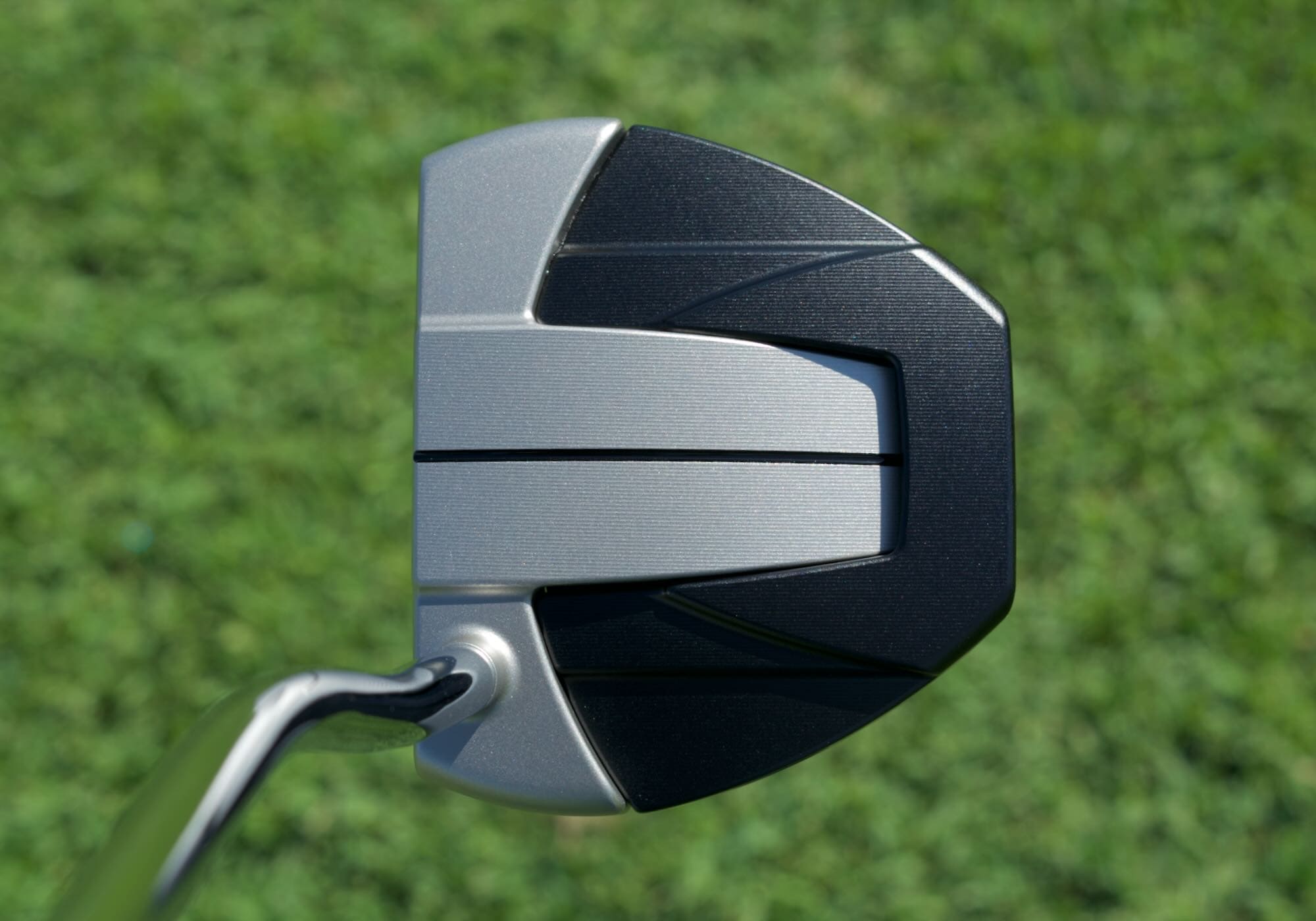
Maybe the long line on the double-bend steered me to the right but the consistently long-distance rolls make me think the putter was just not fitting my stroke.
I suppose that to truly come up with some concrete conclusions, I would need some of the necks built with the “wrong” alignment schemes. Would I experience the same results if the H4.5 had a body-length line? I’m not sure and it makes me very curious.
At the same time, if the dot works, why am I chasing something that may not?
So many lines, so little consensus
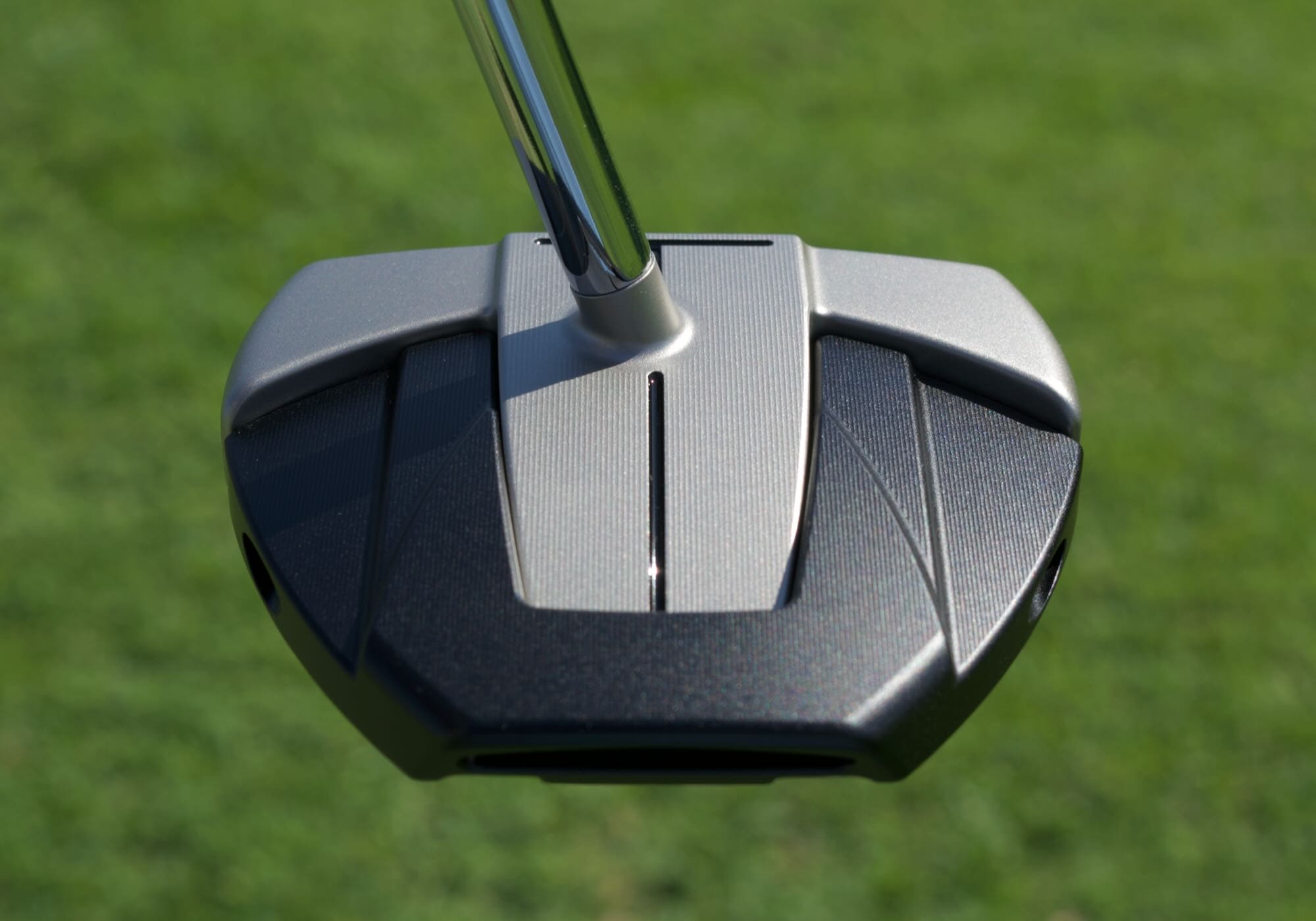
While most manufacturers and golfers agree that the lines on a putter influence aiming, we don’t have any real consensus as to how they influence aiming.
However, there have been some insightful studies that demonstrate how the importance of alignment lines.
David Edel developed a complex fitting system based upon alignment scheme influence. He found that adding lines tended to push the aim to the left and putters without lines aimed more towards the right. During my Edel putter fitting, it was interesting to see how swapping lines on those putters changed the aiming.
Alignment was all the talk this year after PING built alignment schemes into their Scottsdale TEC putters based upon eye-tracking research. That is why all of the Scottsdale TEC putters have the long line plus front sight dot alignment system.
The long line is for targeting and the dot gives you a point to focus on before pulling the trigger on your putt. The Scottsdale TEC putters won on the PGA Tour in their launch year. It’s not unreasonable to give the alignment scheme some credit.
Like the putter, the alignment makes a difference
Which brings us back to the Toulon Golf Concept 59: Daytona Beach. I can’t definitively say Sean Toulon and his sons have cracked the alignment code with the Concept 59: Daytona Beach release but they definitely have pushed the conversation in a new direction.
As I said, I would love to see the results from a test with the five different alignment schemes on the same head. I can almost guarantee the results for the putters would not be the same.
So, sorry, Mr. Archer Not The Arrow, but the putter used absolutely influences performance. Feel free to disagree but you are still wrong. If someone actually putts the same with all putters, they are either a putting savant or a truly terrible putter.
Even professional golfers change putters. Many of them win millions of dollars after doing so. To offhandedly discount the influence of the putter on putting success is ignorant folly.
That is what makes this experimental Concept 59: Daytona Beach putter line so interesting and potentially important. If Toulon can create a formula to determine which alignment scheme actually works best, not just looks best, on a given putter, he will have yet another significant golf discovery to add to his lengthy list of accomplishments.
As long as the ideas keep flowing, I hope Sean Toulon keeps failing at retiring for a long time.
Find out more about the Concept 59: Daytona Beach putters at ToulonGolf.com.
The post Will The 2026 Toulon Golf Concept 59: Daytona Beach Putters Change How You See Your Putter? appeared first on MyGolfSpy.
Article Link: https://mygolfspy.com/news-opinion/will-the-2026-toulon-golf-concept-59-daytona-beach-putters-change-how-you-see-your-putter/