
There are three schools of thought when it comes to zero-torque putters.
The first is the School of Mikey, from the old Life cereal commercial.
He won’t eat it. He hates everything.
The second is the Neo-Mikey School, after he takes a spoonful.
He likes it. Hey Mikey!
OK, OK, you have to be old enough to get it. But, trust me, the analogy fits better than you realize.
The third school has nothing to do with Mikey or, in fact, cereal commercials in general.
We call it the Maybe-I’ll-Try-It-When-The-Price-Comes-Down School. If that’s your proud alma mater, my friends, your day is here. Wilson is joining the zero-torque parade with two new models in its Infinite putter lineup.
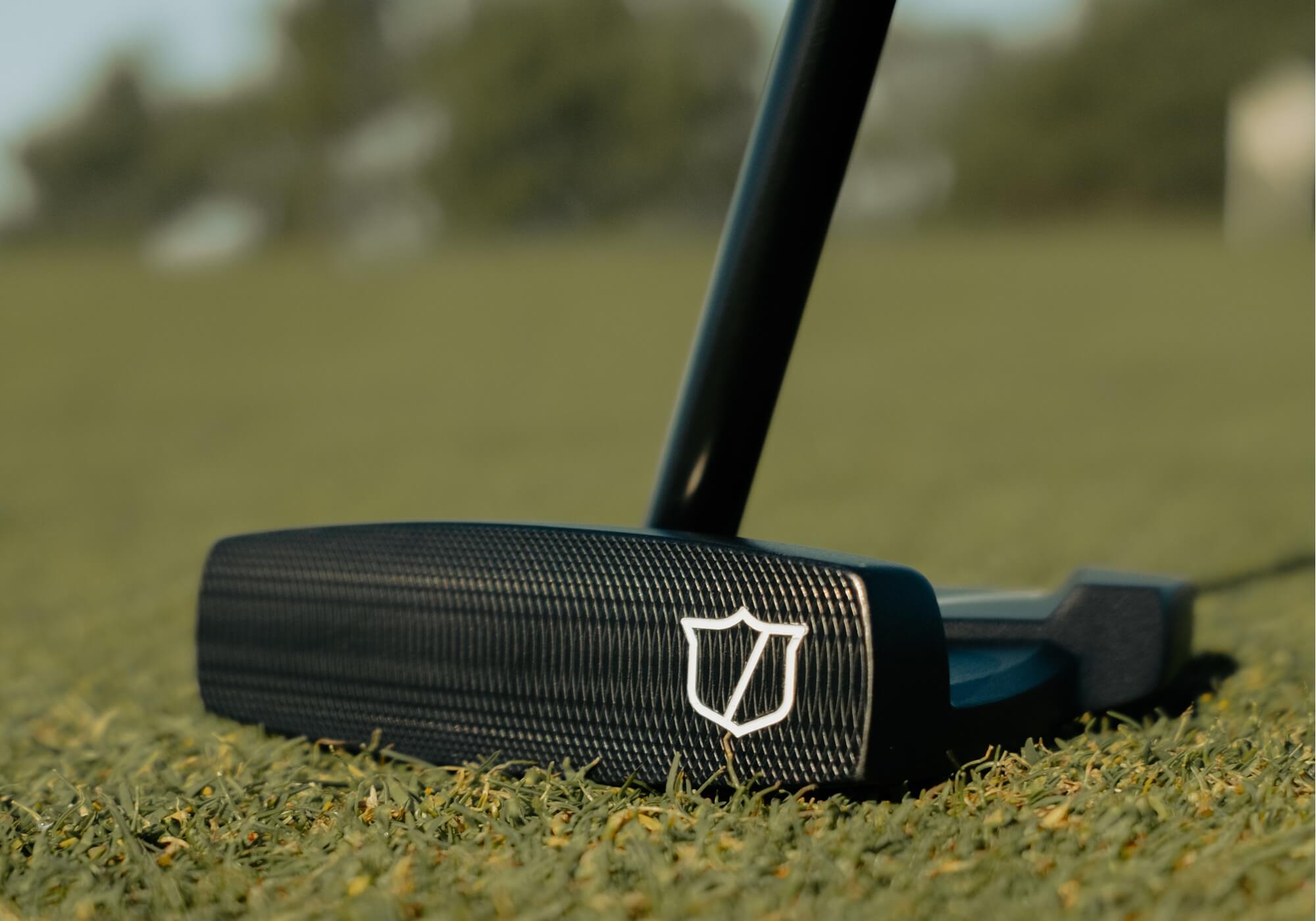
From what we’ve seen so far, these new Wilson ZT Infinite putters might just appeal to all three schools.
Wilson ZT Infinite putters: Zero torque for the everyday golfer
“We’ve seen the proliferation of zero-torque and low-torque putters in the marketplace,” Wilson CAD Engineer Scott James tells MyGolfSpy. “We’ve seen they fit a lot of players.”
Wilson’s Infinite putter line has earned a special niche. They’ve proven to be high-performing flat sticks at relative bargain-basement pricing. Last year’s Infinite Buckingham copped top honors in MyGolfSpy’s Most Wanted mallet putter testing. At $129.99, it blew away putters three times the price.
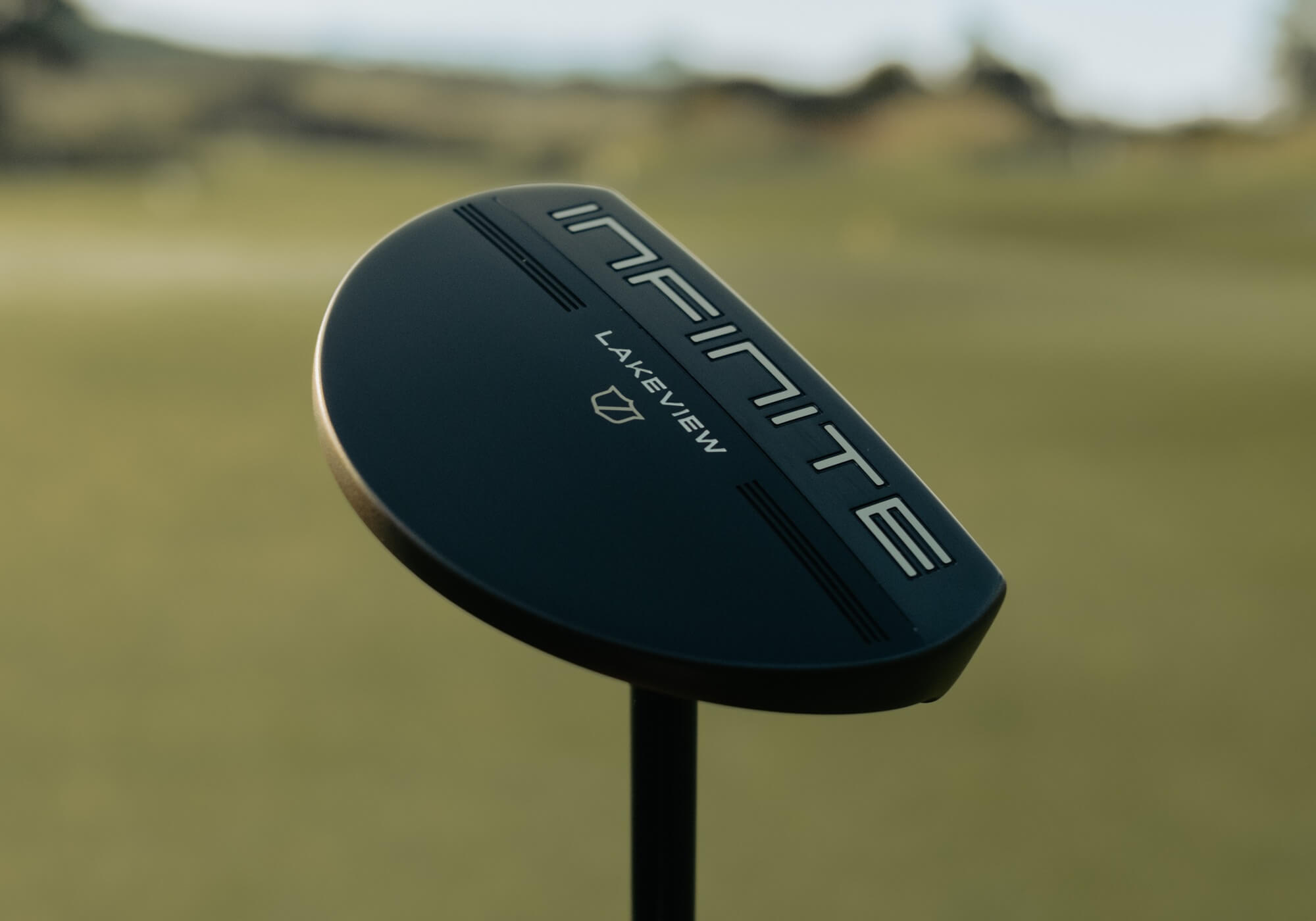
The two new Wilson ZT Infinite putters, the Lakeview and the 606, are $199 each, making them the lowest-priced zero-torque putters offered by a mainstream OEM. Like the rest of the Infinite line, the naming convention is pure Chicago. Lakeview is an iconic North Side neighborhood, home to Wrigleyville and Wrigley Field. The 606 is a popular elevated greenway and multi-use trail in northwest Chicago, named after the city’s most common ZIP code prefix.
The putters bearing those names are true zero-torque, or at least as close as is possible. They’re designed to keep the putter face square to the target throughout the stroke without any extra manipulation by the golfer.
We’ll get into the specifics of each putter in a second. First, however, we need to share Wilson’s discussion on zero torque and how it can benefit more golfers than you think.
Give Wilson credit. For a company just entering this space, its explanation of zero-torque technology is better than most.
Torque! Huh? What is it good for?
Absolutely nuthin’. Say it again …
I know, Edwin Starr wasn’t singing about torque. But if he did, he’d have been mostly right. Torque is a natural force that makes a putter want to rotate during the stroke. Whether a putter is heel- or center-shafted, whether it’s toe-down or face balanced, it’s going to exert some torque. As the person holding the putter, you’re trying to counteract that torque.
“A heel-shafted, toe-down putter is going to exert a lot of torque on a player’s hands,” explains James. “They tend to promote more face opening and closing. Going zero-torque takes a lot of that out of the stroke.”
That, according to the prevailing zero-torque wisdom, lessens your margin for error. The key to the design is to have the shaft axis pass directly through the putter head’s center of gravity. If you do that, the putter head won’t want to rotate on its own and you won’t have to fight it. That makes it very different from a standard center-shafted putter.
“The difference is where your shaft axis passes relative to the CG,” explains James. “With a center-shafted putter, the shaft is either in line with the face or just a little offset, which puts the center of gravity behind the shaft.
“Since you’re holding the putter at a lie angle at address, it still wants to swing open during the stroke. There’s still a force that your hands are counteracting.”
Low-torque vs. zero-torque. What’s the difference?
Technically, just a little bit of torque, but functionally, not a lot. Most of the low-torque putters today are low enough torque that you won’t notice one way or the other. There are, however, some subtleties.
“It’s easier to mask a poorly balanced putter when you do low torque because you can design it so it always hangs toe-up,” says James. “A zero-torque putter isn’t supposed to do that. It’s supposed to spin freely so it’s harder to mask poor balance.”
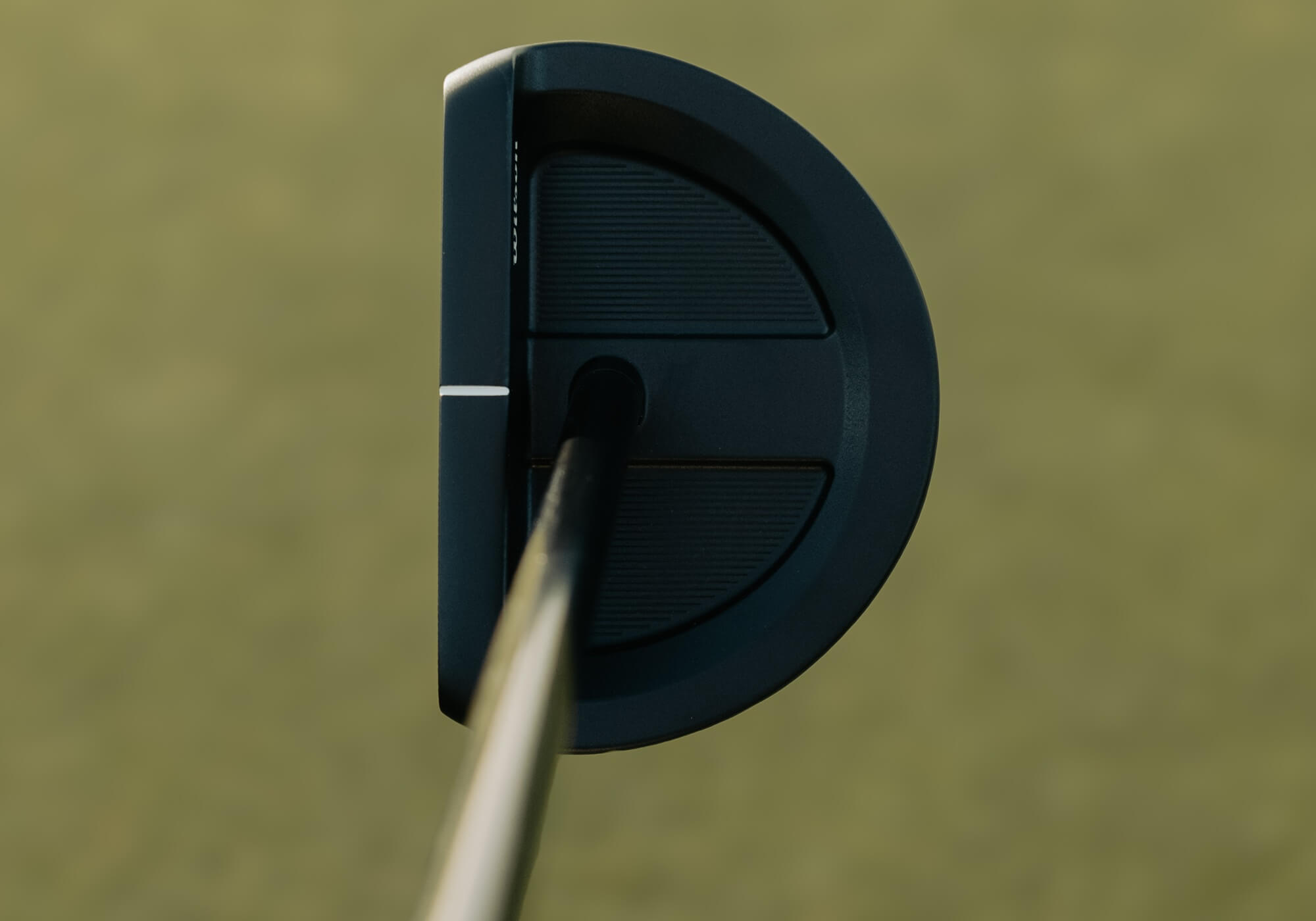
Another feature of true zero-torque putters is built-in shaft lean. The new Wilson ZT Infinite 606 and Lakeview putters feature one degree of forward lean.
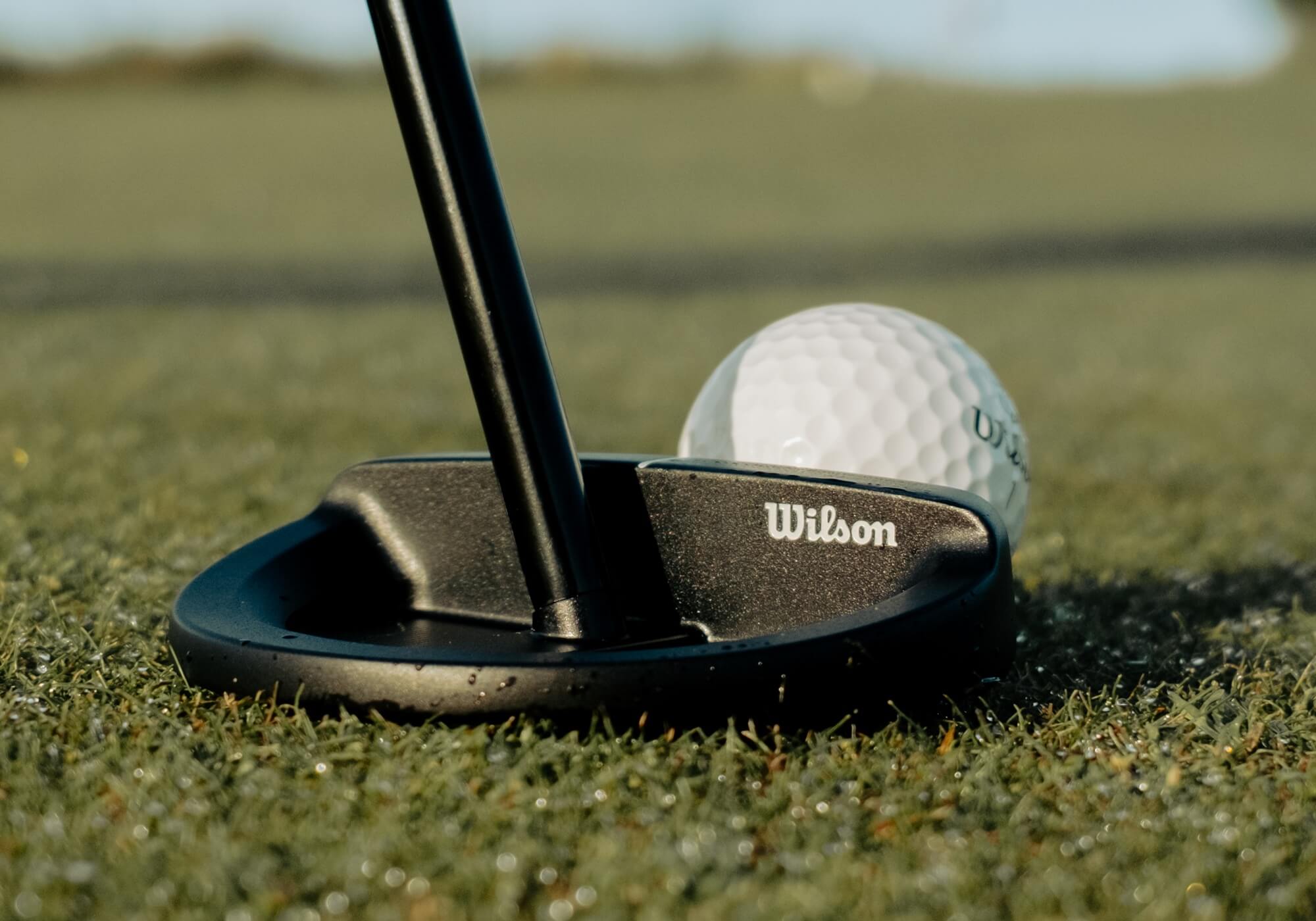
“The reason you do that is so your hands sit close to the face at address,” James explains. “Otherwise, your hands would end up too far behind the ball since the shaft axis intersects the CG. That would make the putter difficult to control and make it too much of a different experience from most putters.”
Weight plays a role in performance, as well. Some players find that zero-torque putters feel lighter than traditional putters, even though they may in fact be the same weight.
“That’s because you don’t have torque acting on your hands so you’re not counteracting that force.”
OK, let’s get a look at those new Wilson ZT Infinite putters
The new Wilson ZT Infinite Lakeview and 606 are two very different putters but there are several commonalities.
First, both are manufactured using metal injection molding technology, or MIM.
“This is the first time we’ve used MIM for an entire clubhead,” says James. “We’ve used it previously but mostly for weights within a club head.”
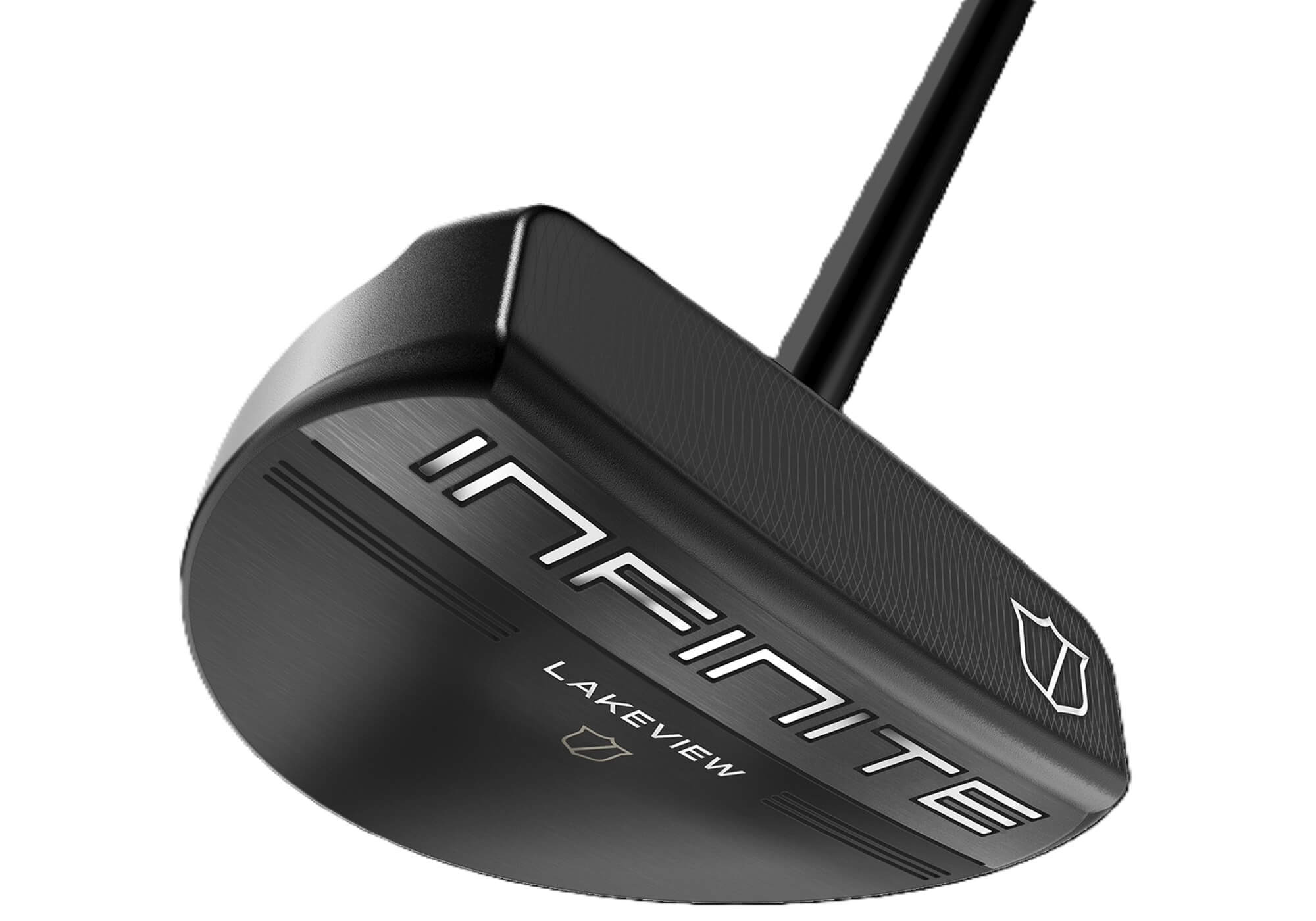
MIM allows for finer details and a cleaner, smoother surface finish than you can get with casting. The Lakeview, specifically, features lines that appear to have been milled but are actually part of the MIM process.
“There also tends to be more precise material placement that’s important for zero-torque putters,” James adds. “You need to control where the mass is to ensure you’re getting your CG as close to the shaft axis as possible.”
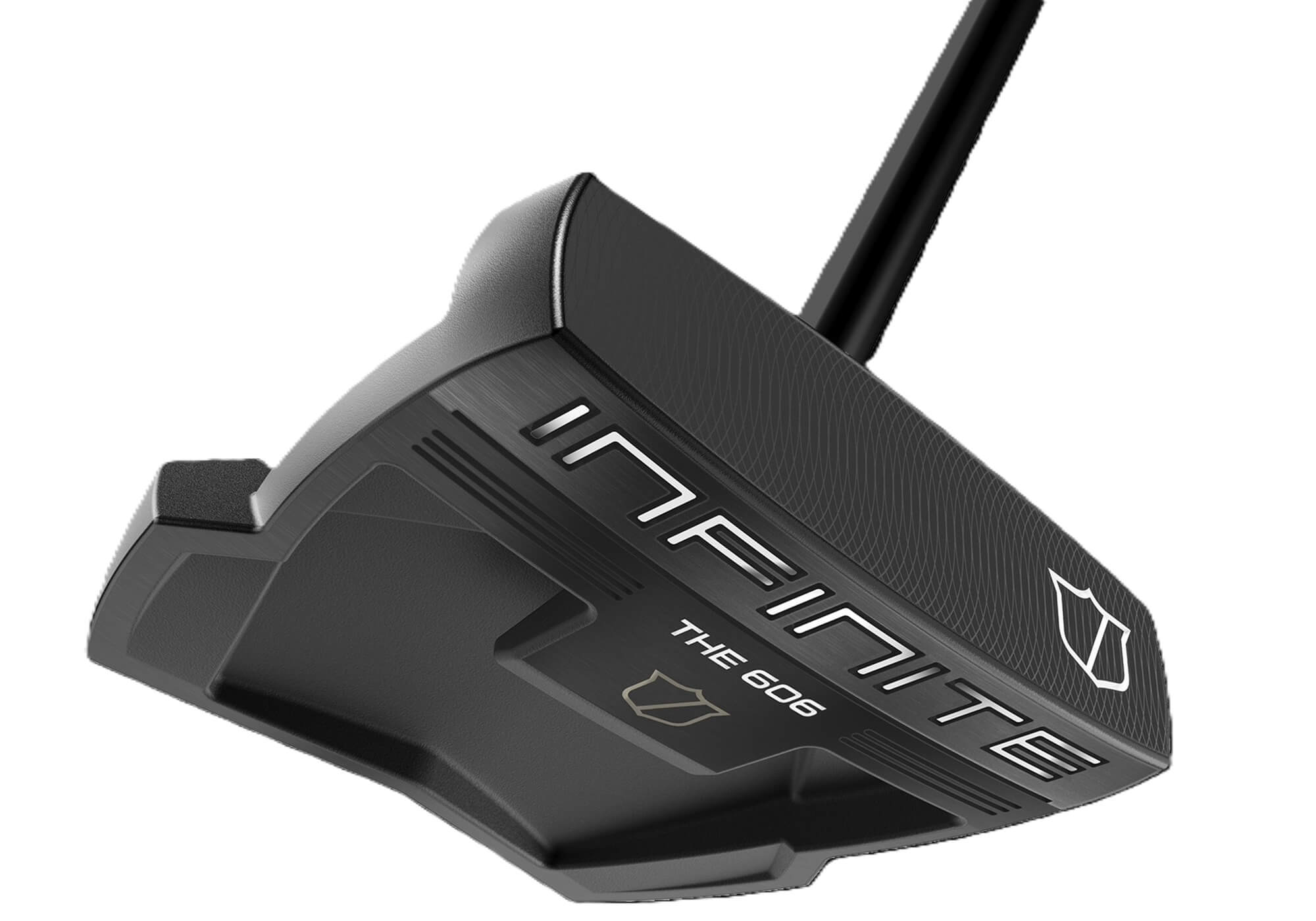
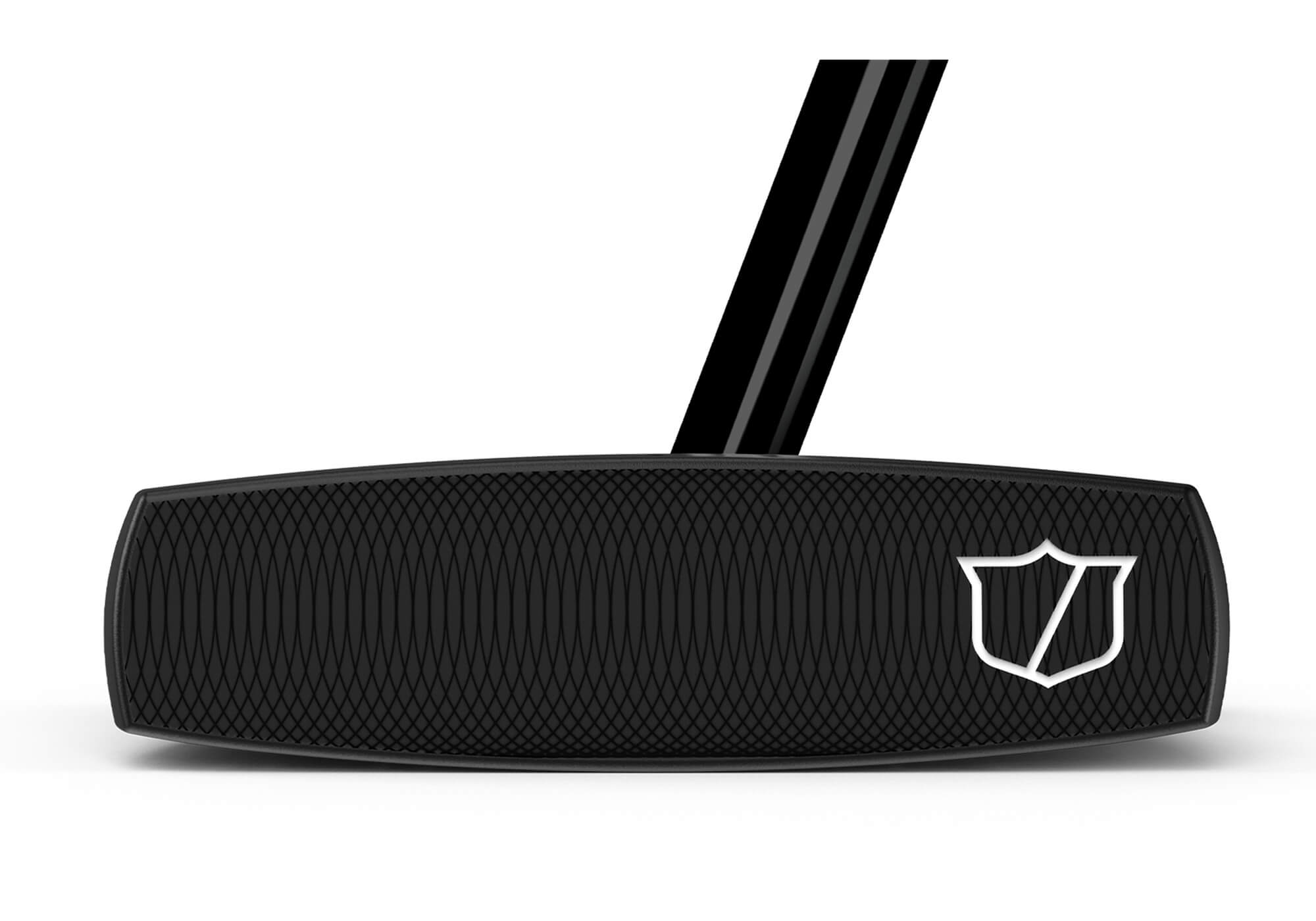
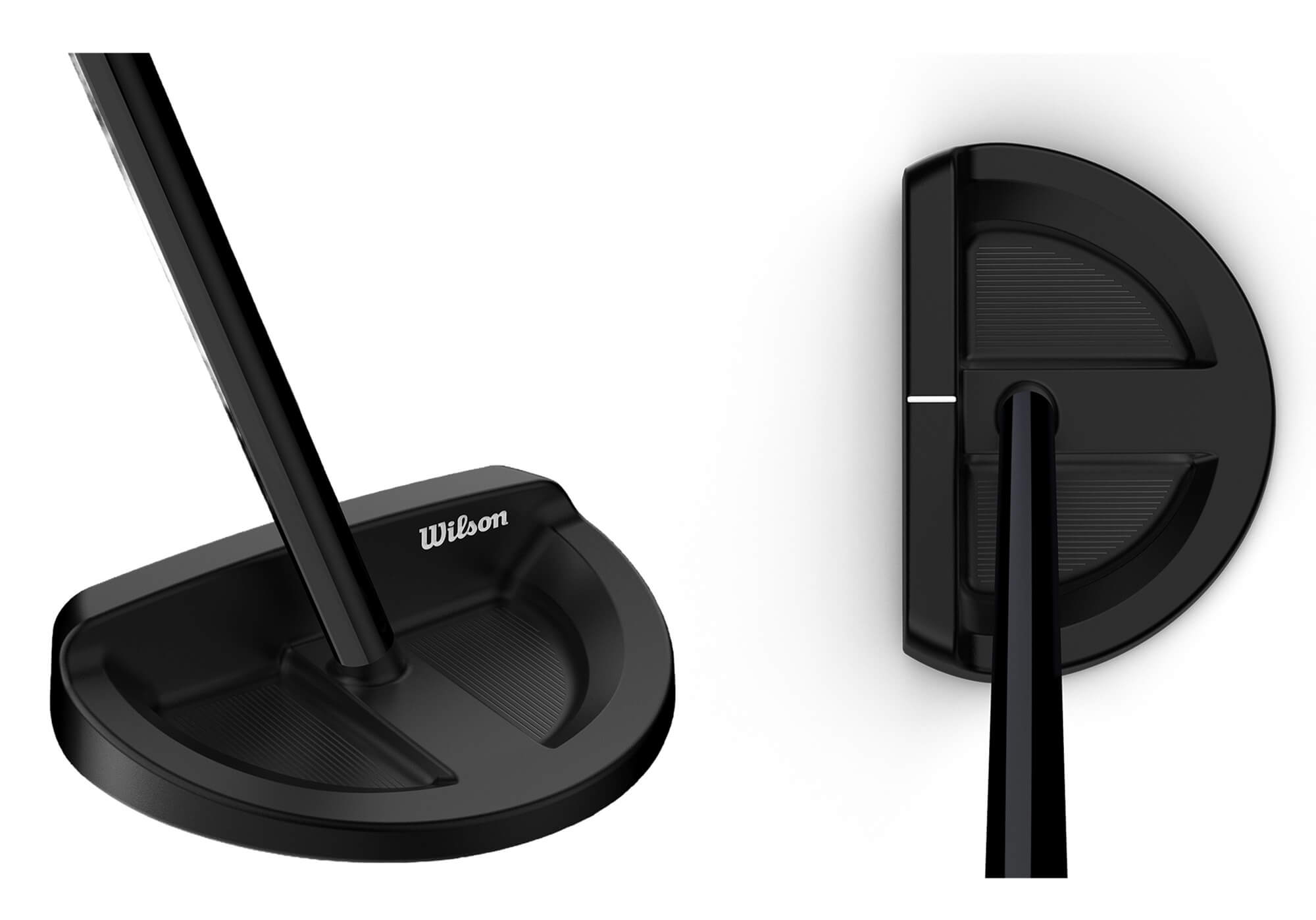
The Lakeview is a larger, half-moon shape based on the Infinite Bean. The 606, although it has Spider DNA, is more of an original design for this project. Its compact, winged mallet head has a fairly high MOI naturally and, at 385 grams, is a little heavier than the Lakeview. It also features what James calls a “rocker sole.”
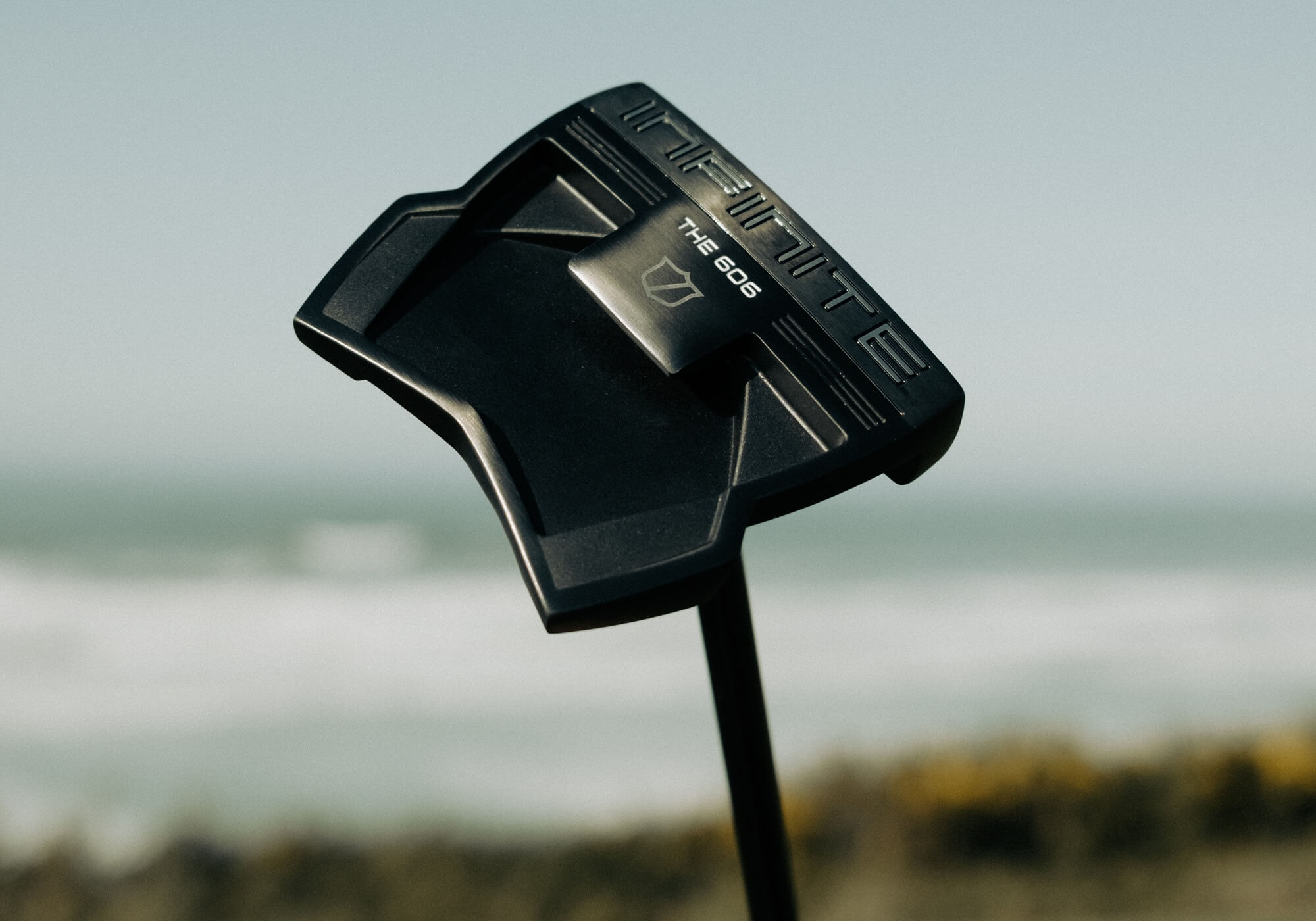
“It doesn’t force you to forward press if you don’t want to. The Lakeview has more of a traditional sole that encourages the forward shaft lean a little more. It all depends on what the golfer is looking for.”
Alignment and milling
If you’ve found alignment aids on zero-torque putters confusing, you’re not alone. Traditional lines simply don’t work.
“There are limitations with zero-torque designs any time the shaft axis passes through the center of gravity,” James explains. “Traditional lines are difficult because the shaft bisects where the line would normally go.”
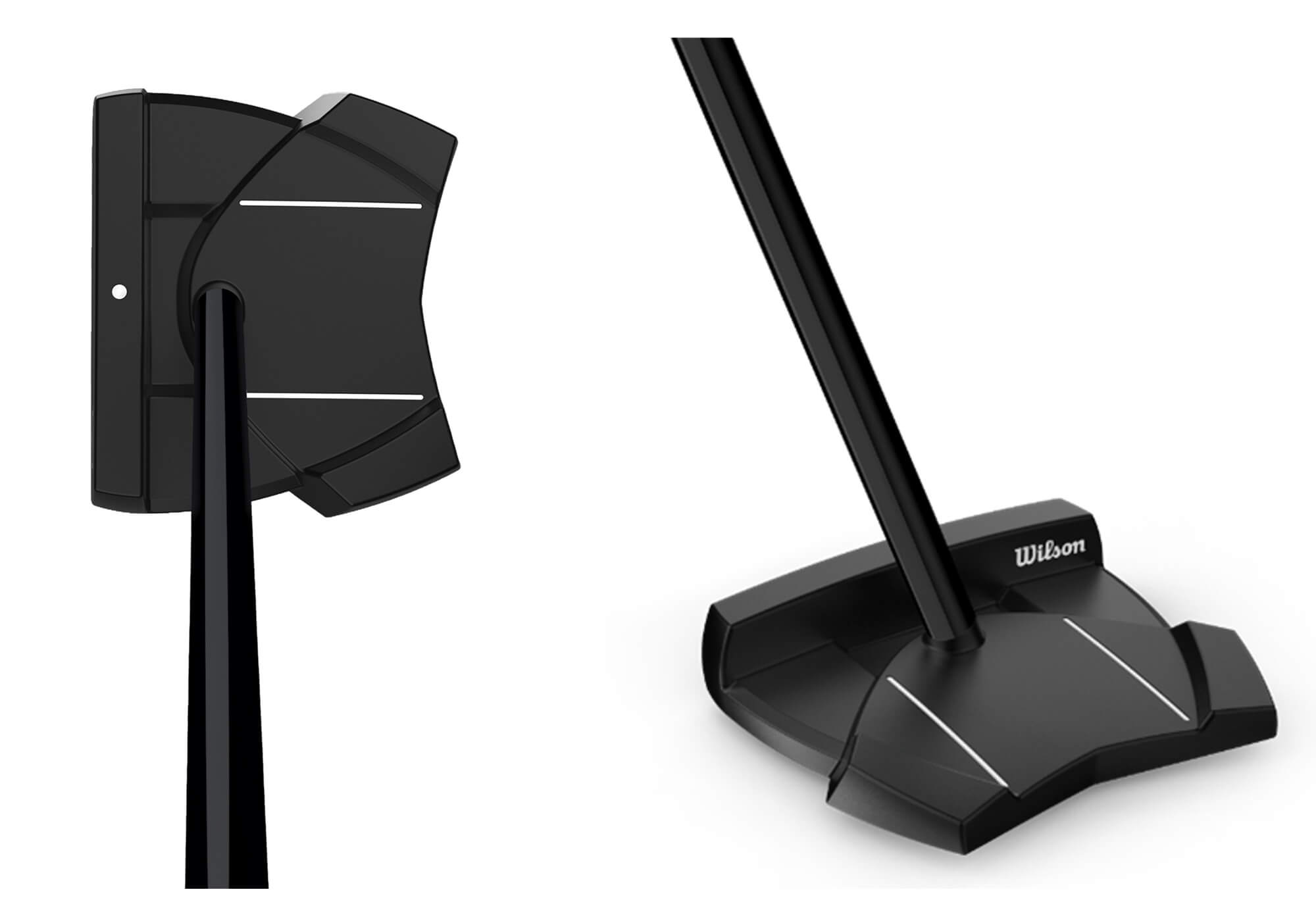
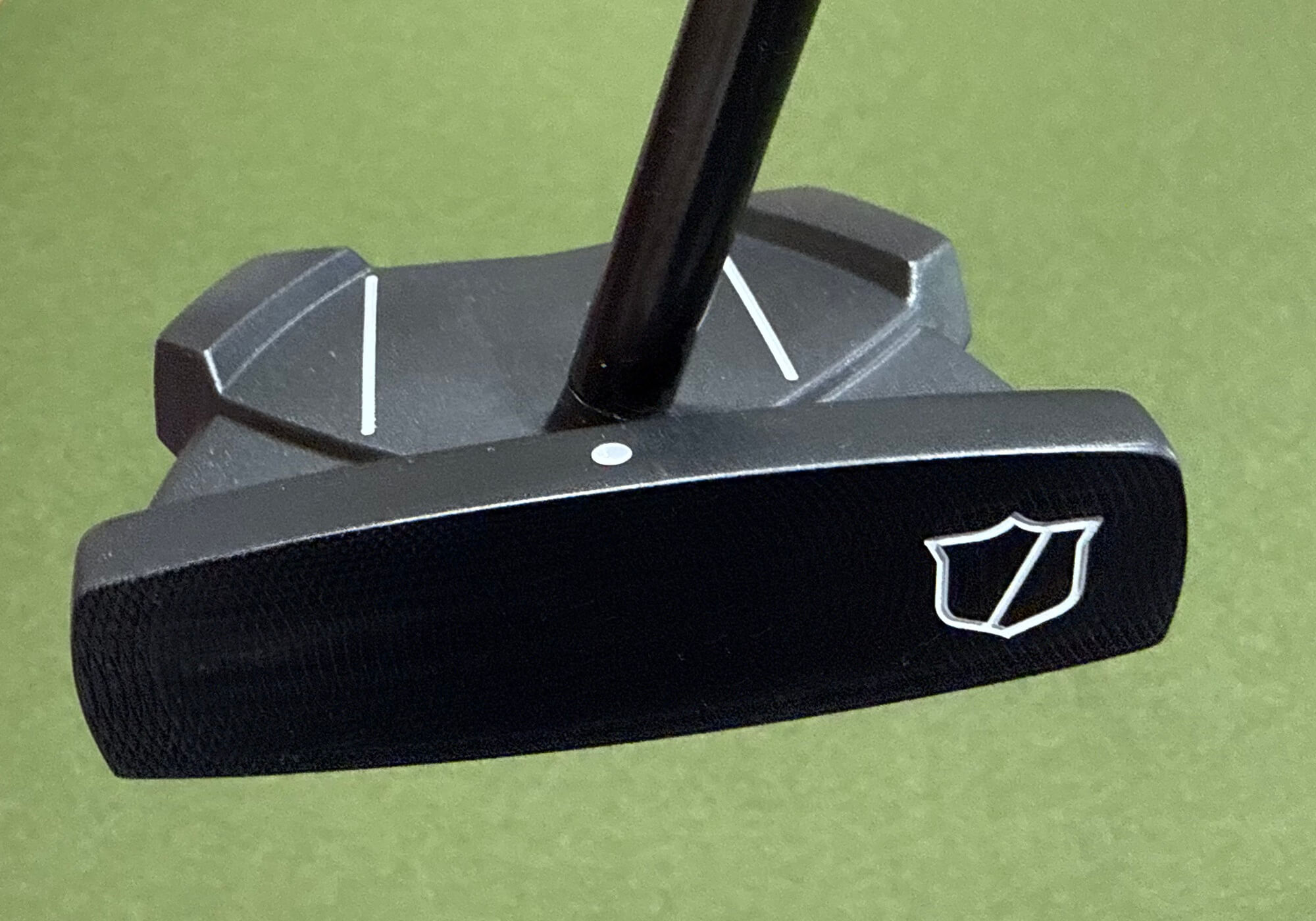
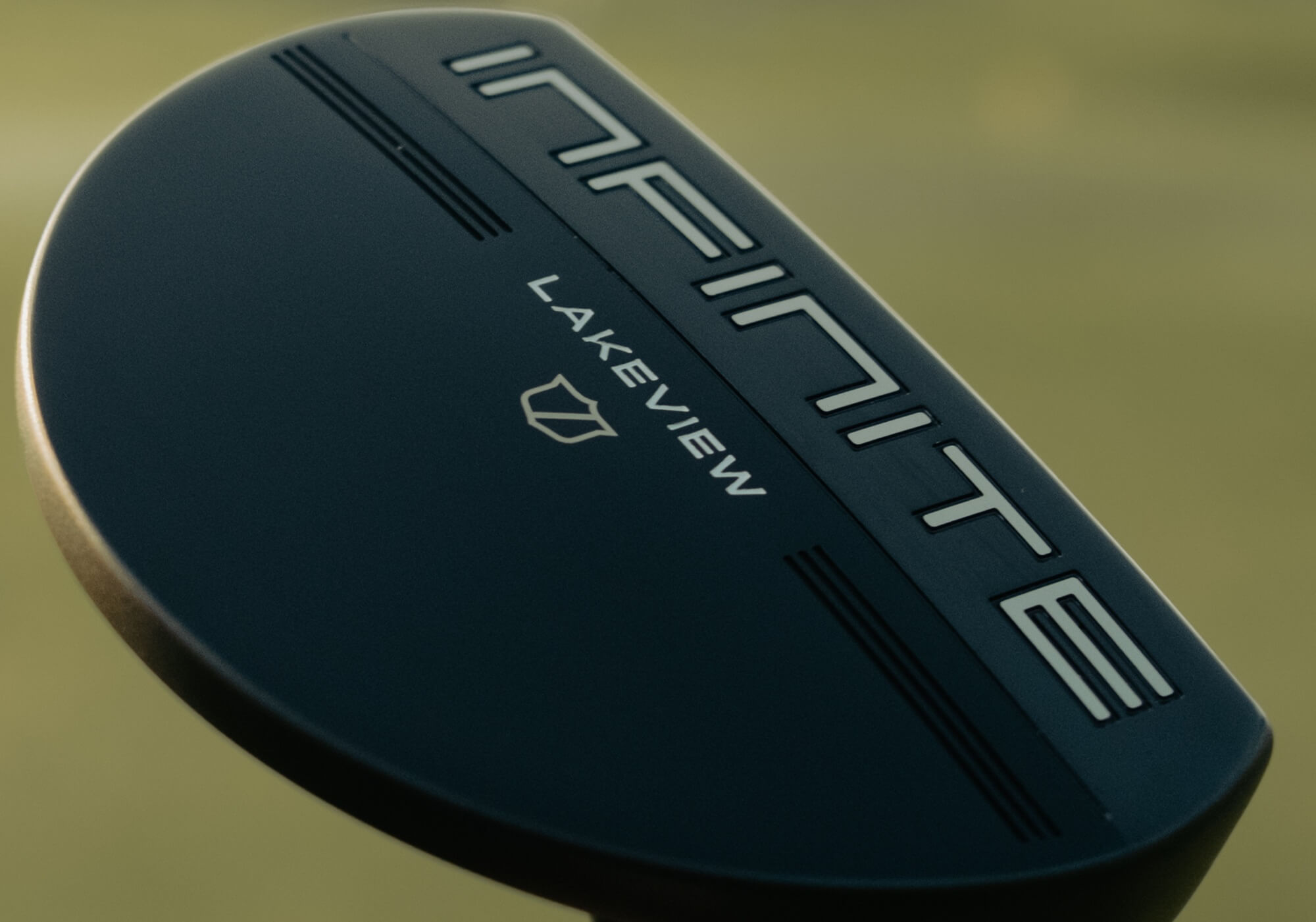
Infinite putters have traditionally featured three alignment lines. The outer two frame the ball while the middle line indicates dead center of the face. The Lakeview instead features a smaller, more traditional alignment line on the topline. The 606 lines are a little more out there.
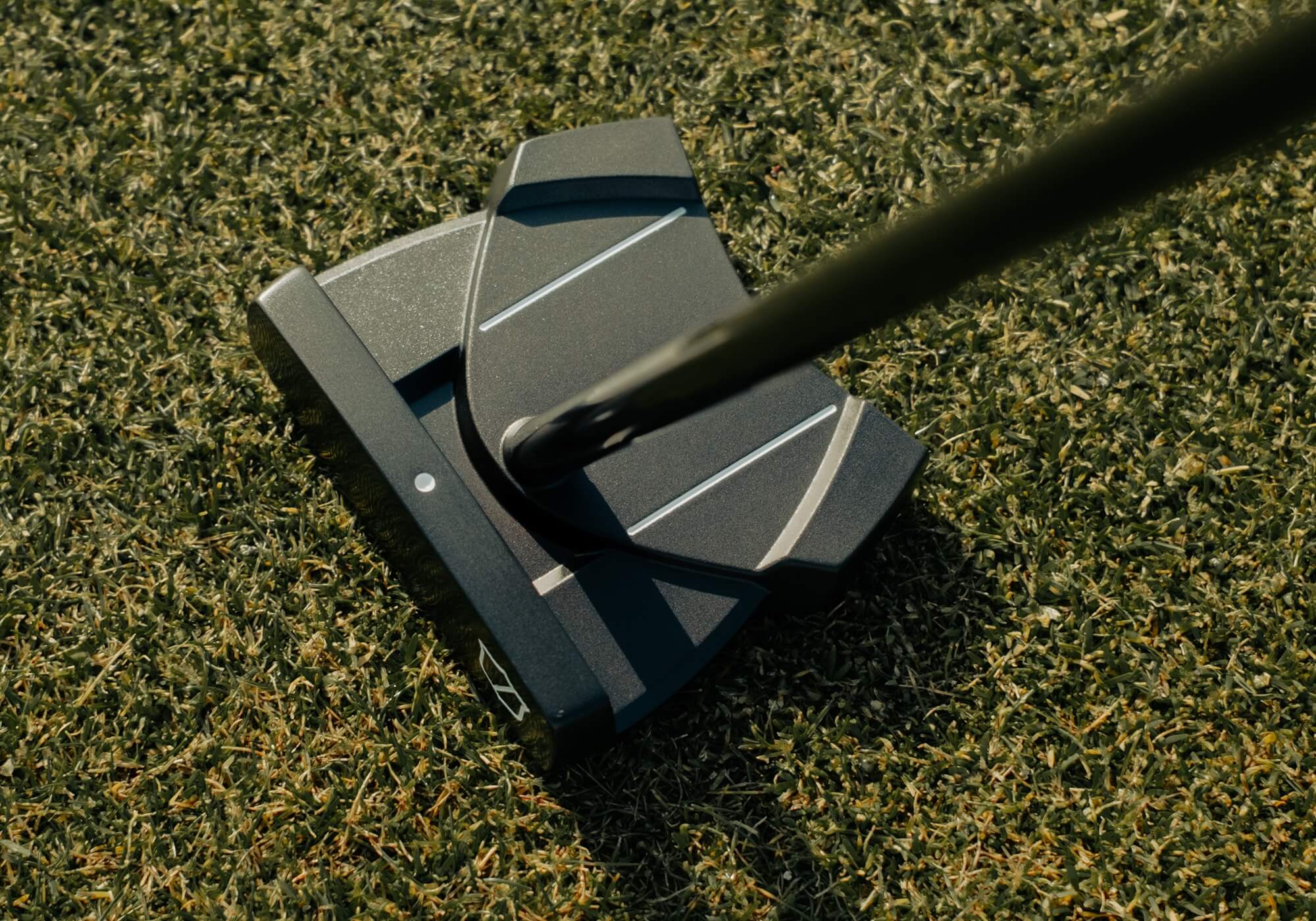
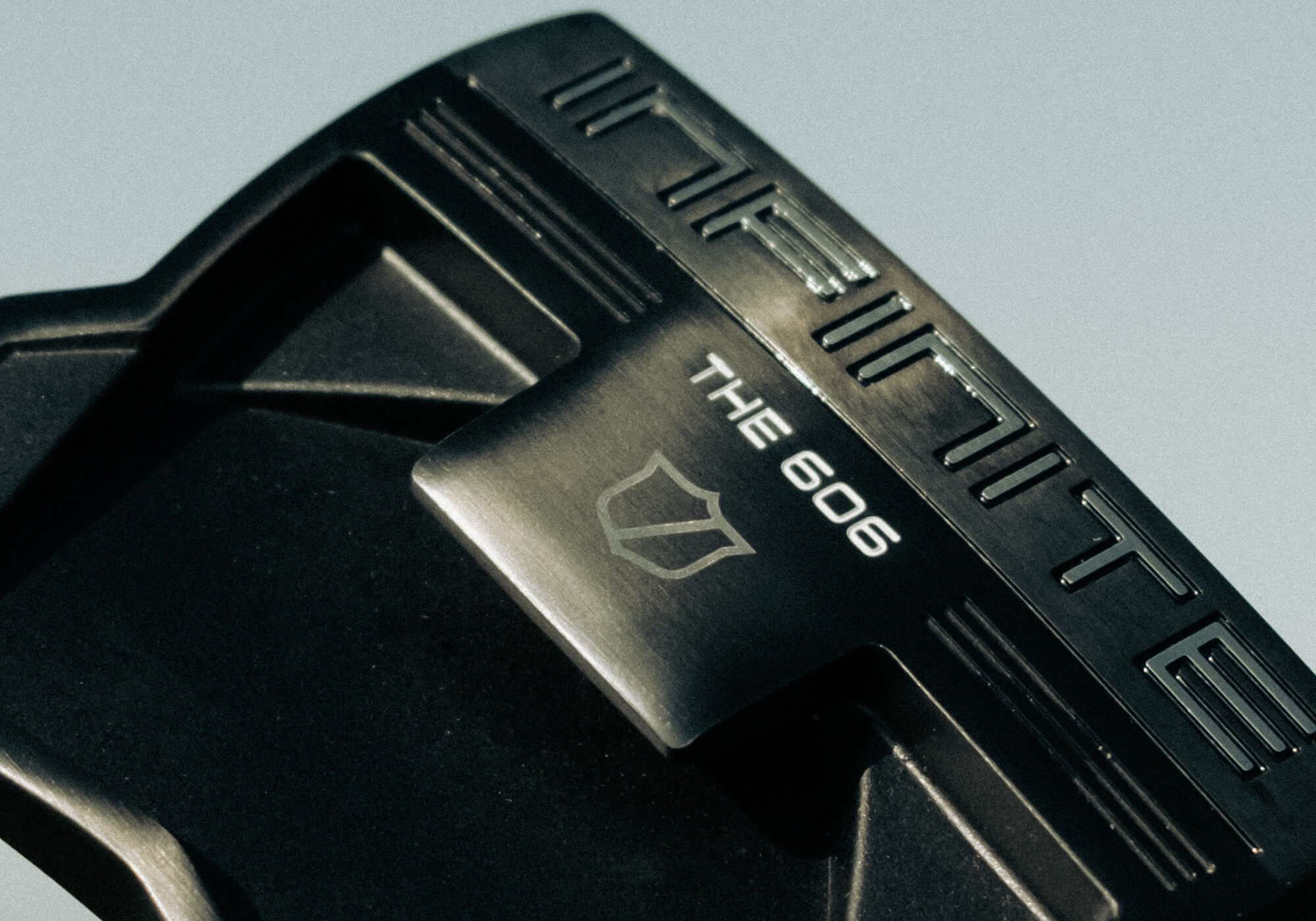
“We decided to keep the heel and toe lines but we pushed them to the back of the putter,” James says. “We mocked up a few with and without a center dot and found the dot helped players find the center of the face when lining up the ball.”
Like the rest of the Infinite line, the 606 and Lakeview faces are fly-milled for consistent feel and distance control. That’s been a bit of a bugaboo with zero-torque putters, especially those made from aluminum.
“Aluminum is a softer material than the steel we use,” says James. “You do need a little more input to get the same results. One isn’t better than the other; it’s just what the player prefers.”
The Wilson ZT Infinite $64,000 question …
In this case, it’s the $199 question. As a full-line, mainstream OEM, how can Wilson offer a high-quality, zero-torque putter and still make money at just under two bills?
As it turns out, size matters. So does material.
“The main thing is these putters aren’t as large a platform as some of the others out there,” James says. “With aluminum construction, you see larger heads that have to be 100 percent milled to have the proper surface finish.
“We had to stick with steel to stay under $200. With that, you don’t get as large a head.”
While there are aluminum zero-torque putters in this price range, they’re from direct-to-consumer brands with no opportunity to demo them. The Wilson ZT Infinite putters will be easy to try in person.
“We’ll have good availability of our zero-torque line at retail this year,” says James. “We want players to try them out and see what works best for them.”
Is zero-torque right for you? And, if so, which one?
Wilson is taking an interesting approach with the ZT Infinite putters.
First, it’s not overloading you with choices. Since the Infinite line, at its price point, doesn’t lend itself to custom fitting, that’s a good thing. Second, and perhaps more importantly, with the relatively small built-in forward shaft lean (only one degree; most others are three degrees), the leap from a conventional putter isn’t huge.
“We’ve seen players who didn’t think zero-torque was for them,” James says. “But once they gave an Infinite a try, they realized they’re not as different as they were expecting.”
Additionally, since the Infinite heads are on the small side compared to some other zero-torques, the shaft axis isn’t that far from the face. With larger models, the shaft axis gets stretched farther back in the head. That requires even more forward shaft lean and the putter winds up looking, well, weird.
So, should you try zero-torque? As always, it depends.
“Players with more arc in their strokes tend to fit into heel-shafted putters with greater toe hang,” James explains. “Players with a slight arc or are more straight-back/straight-through tend to fit into zero-torque.”
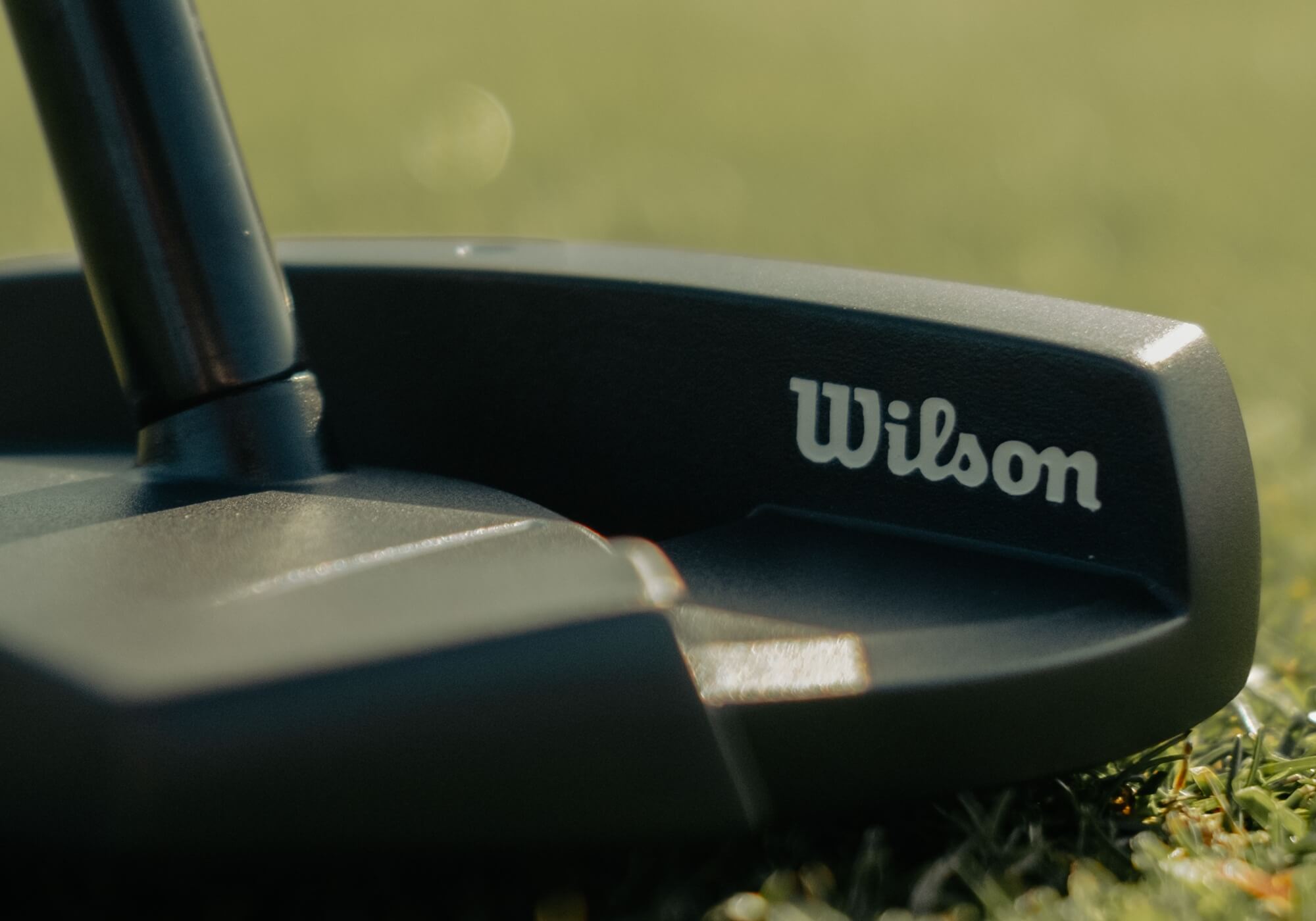
Zero-torque putters do require some re-programming when you first try one. The built-in forward press can take some getting used to as does the fact that, for the first time ever, you’re not fighting torque you didn’t even know was there. Practicing with your thumbs off the grip helps.
“You have to have a synergistic relationship with your putter,” says James. “Do you need to feel that resistance from the putter or would you rather the putter just go along for the ride and be your partner?”
Hey, we fight plenty of battles on the golf course. Do we have to fight one with the putter, too?
Wilson ZT Infinite putters: Specs, price and availability
As mentioned, the new Wilson ZT Infinite putters come in two styles.
The half-moon-shaped Lakeview features a 368-gram head weight with a single alignment line for visual simplicity.
The 606 is a compact winged mallet with a 385-gram head weight. It features two lines in the rear section of the mallet to help frame the ball plus a single alignment dot on the topline.
Both come with a premium Wilson-branded midsize grip and will be available in 34- and 35-inch models. A 33-inch women’s model is due out later this year.
The Wilson ZT Infinite Lakeview and 606 putters are available starting today and will retail for $199.99.
For more information, visit the Wilson Golf website.
The post Wilson Goes Zero-Torque And The Price Is Eye-Opening appeared first on MyGolfSpy.
Article Link: https://mygolfspy.com/news-opinion/wilson-goes-zero-torque-and-the-prices-are-eye-opening/